Saint James Chapel
40.216221, -8.212654
Learn more
Locations and points of interest.
40.216221, -8.212654
Learn more
40.216143, -8.209677
Learn more
40.216384, -8.208144
Learn more
40.214155, -8.207805
Learn more
40.215459, -8.208056
Learn more
40.217325, -8.208817
Learn more
40.214847, -8.203216
Learn more
40.219061, -8.203936
Learn more
40.226130, -8.203387
Learn more
40.218231, -8.211159
Learn more
40.221934, -8.219264
Learn more
40.218820, -8.211495
Learn more
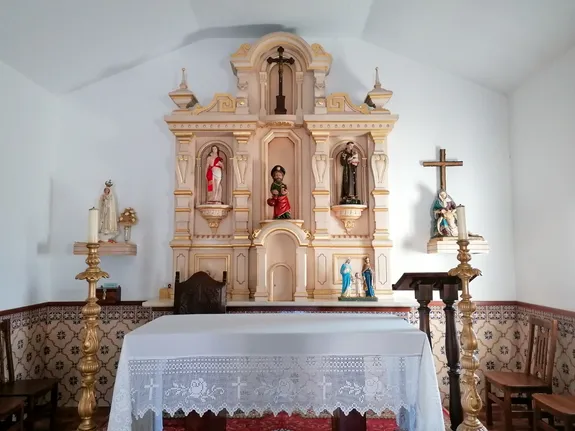
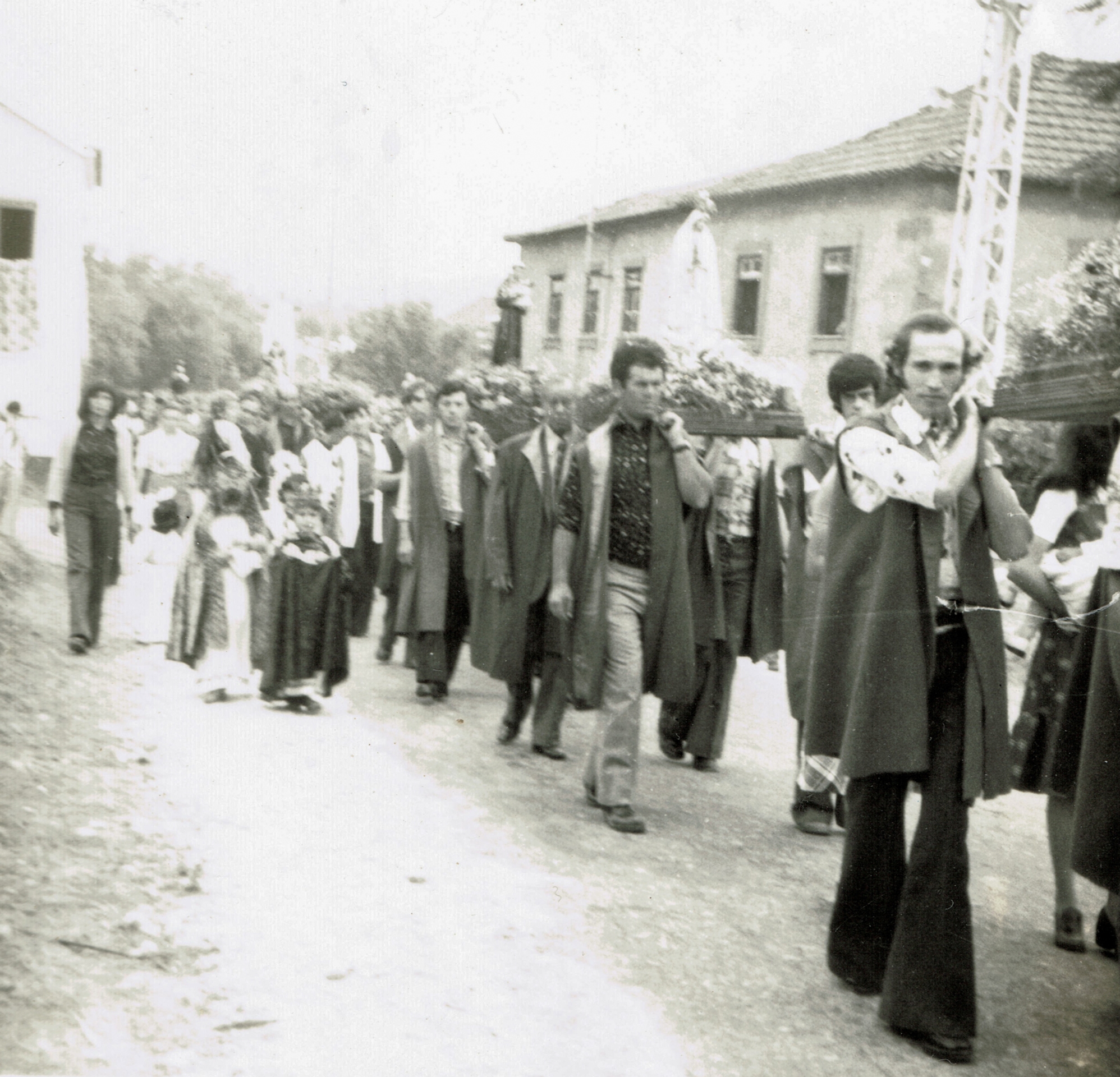
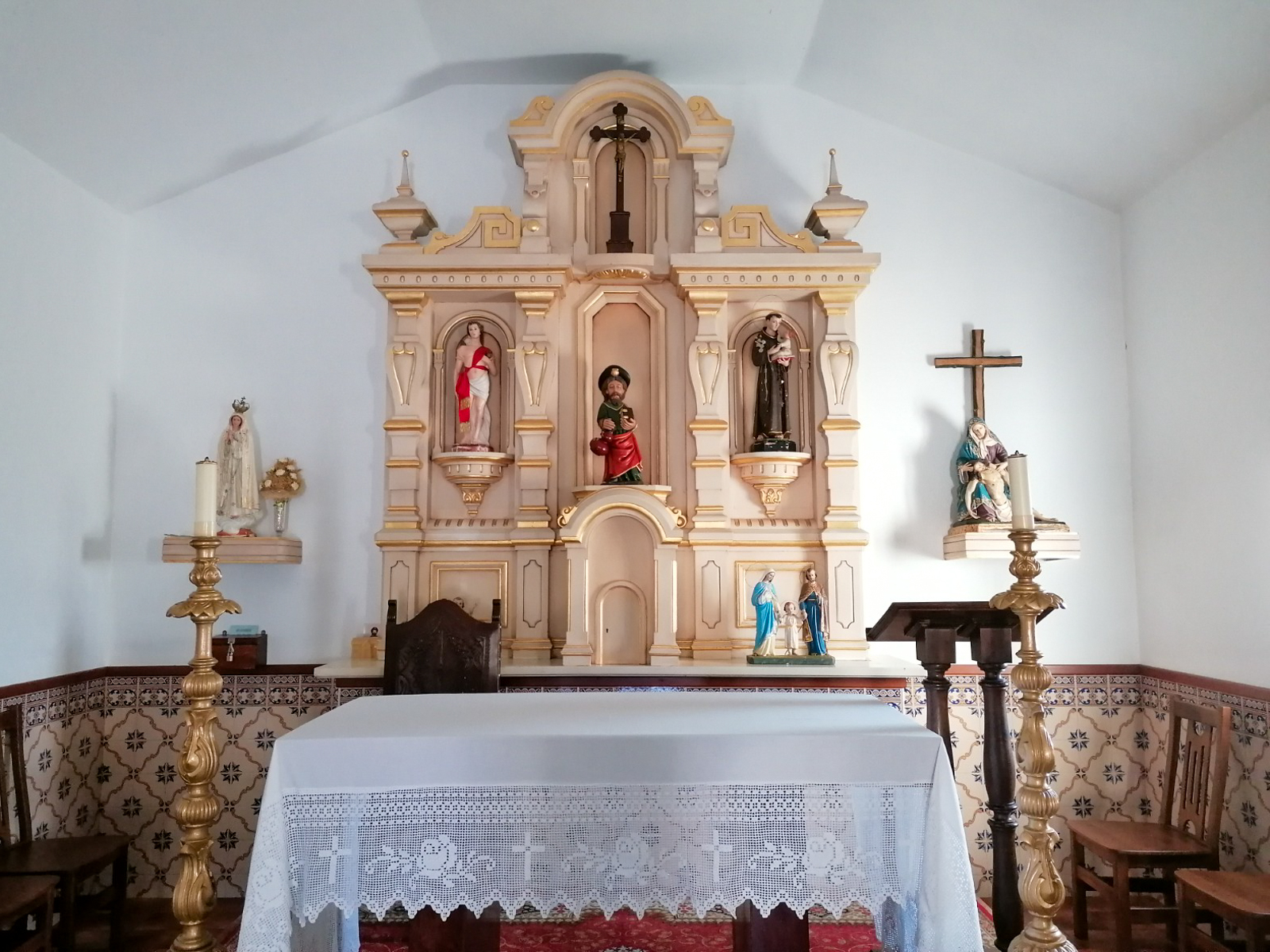
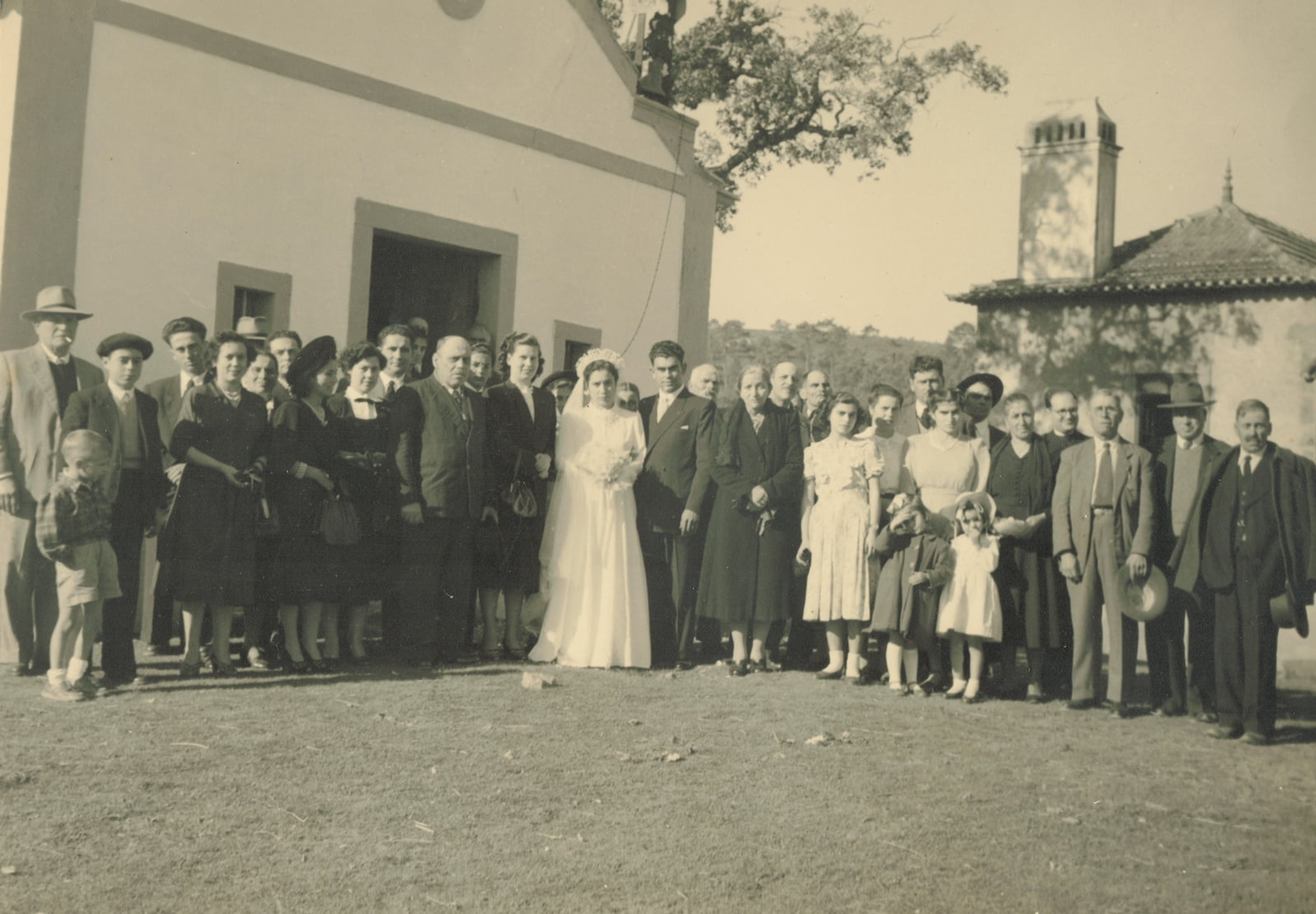
The current chapel of Alveite Grande was built to replace an old hermitage, next to which a fair was held as early as 1747 on 25th July, Saint James’ Day. It is said that its dedication to this saint is due to the establishment here in ancient times of a colony of Galicians from Santiago de Compostela.
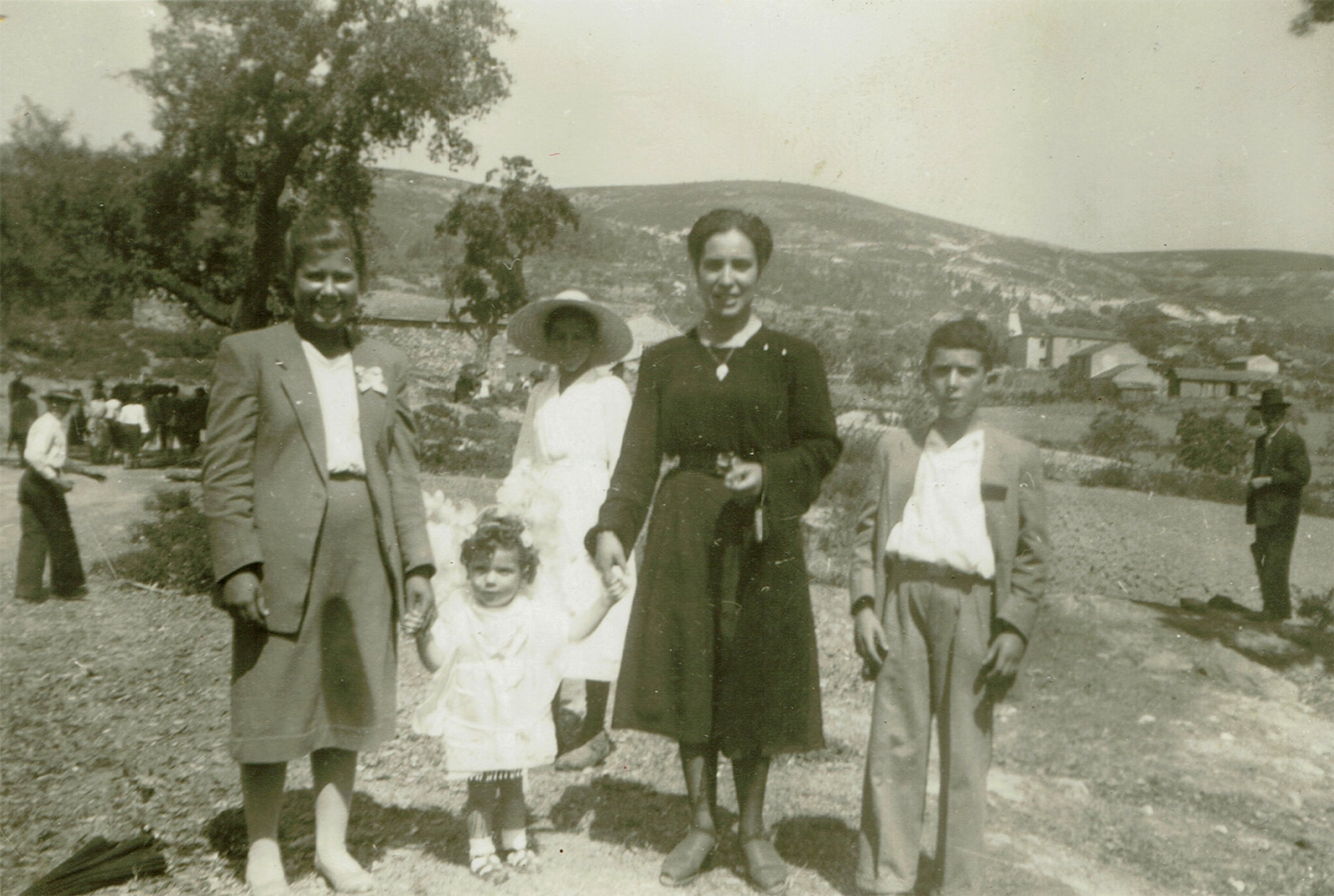
This devotion remains to this day, bringing together residents and returning migrants around the chapel for the Saint James’ festivities.
It is traditional for the image of the saint to go out in the procession carrying a bunch of grapes with him.

In his “Geographical Dictionary”, Volume I, 1747, Father Luiz Cardoso already notes the existence of “a Chapel of Santiago,” next to which a fair was already being held on July 25th! Although this refers to another chapel of which only traces remained at the beginning of the 20th century, the dictionary thus confirms a long-standing devotion to Santiago Maior.
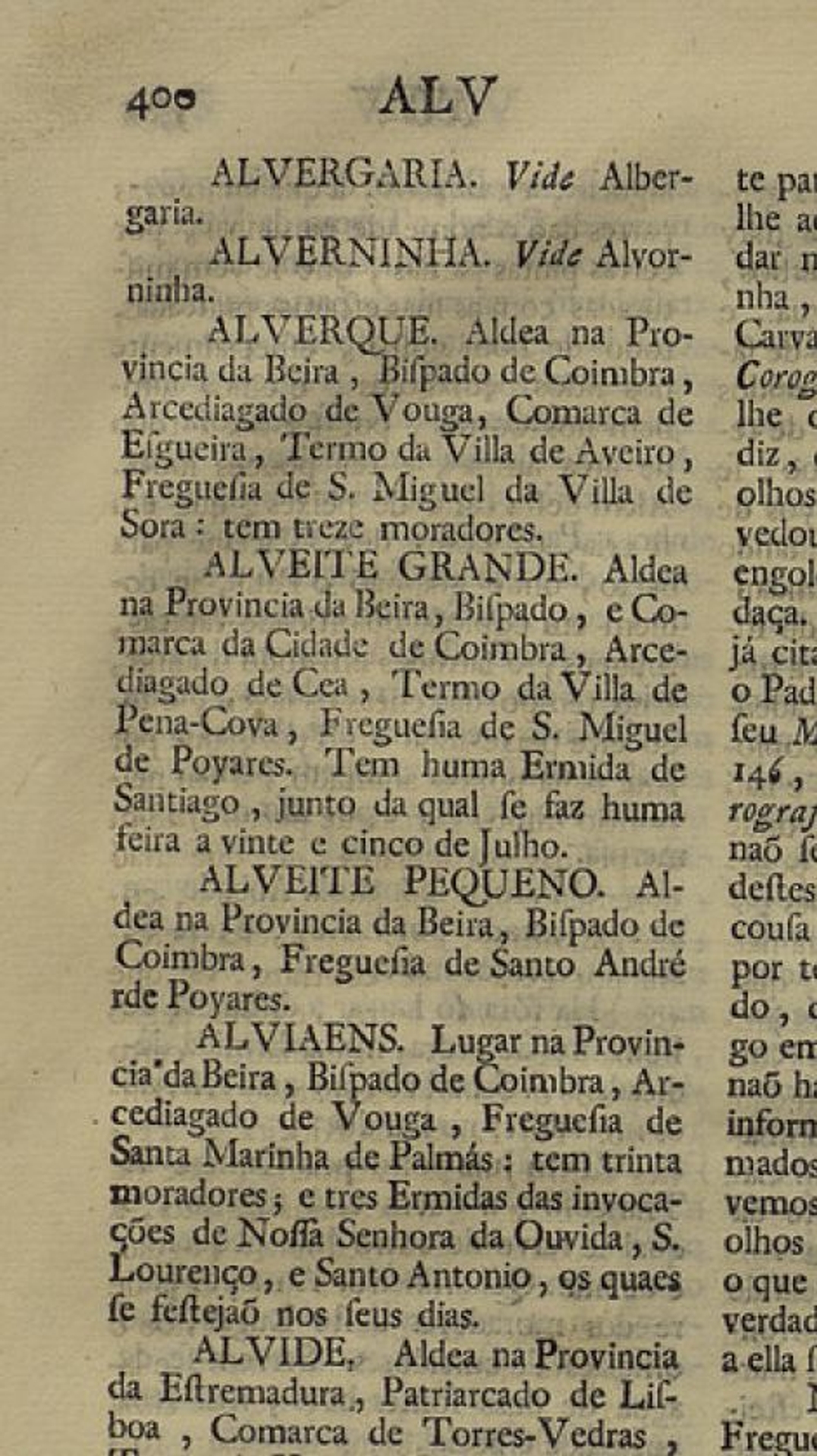 Imagem retirada de CARDOSO, Luiz, Diccionario geografico, ou noticia historica de todas as cidades, villas, lugares, e aldeas, rios, ribeiras, e serras dos Reynos de Portugal, e Algarve. Disponível online em: https://purl.pt/13938
 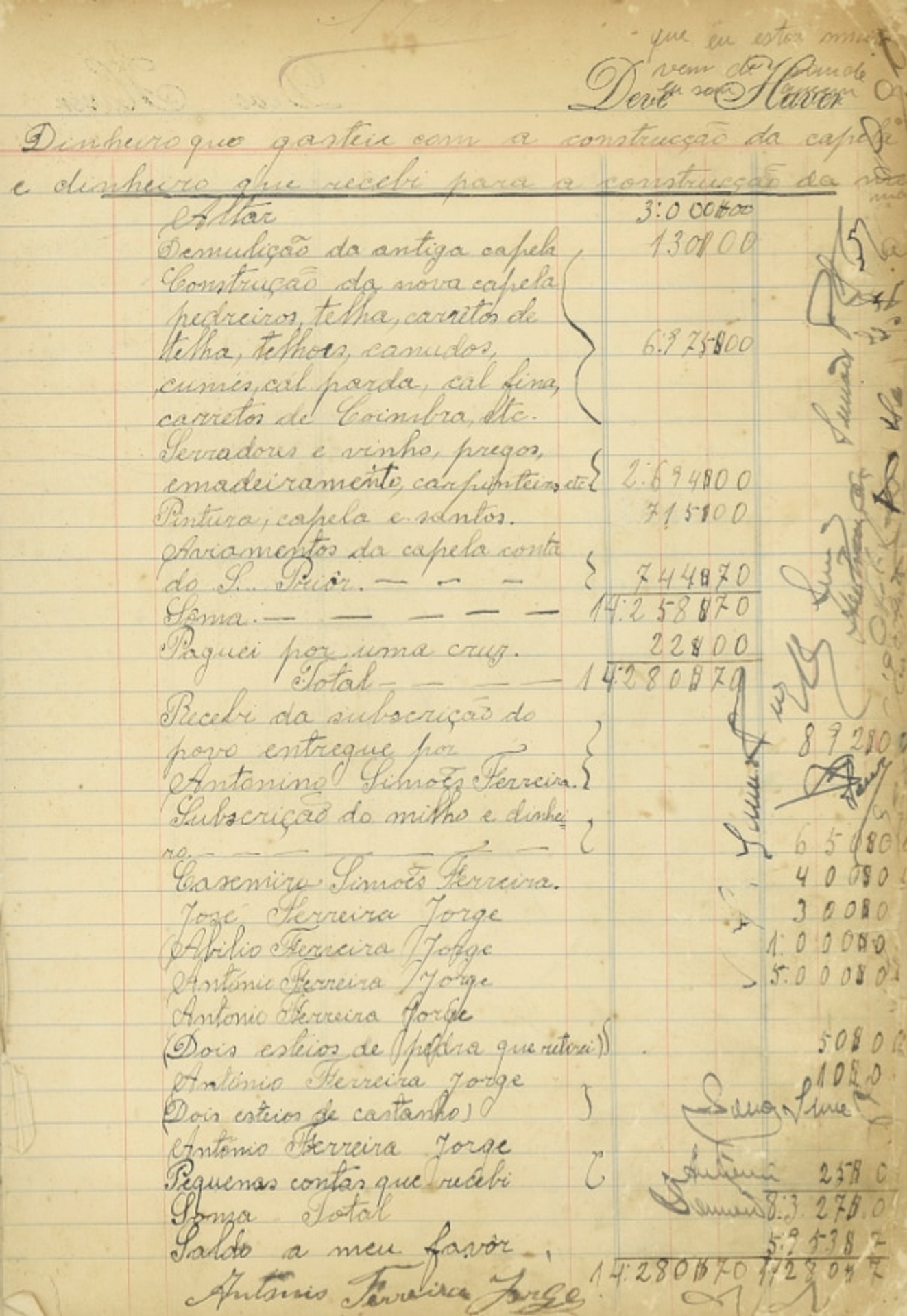 Accounts of the construction of the Chapel of Saint James
 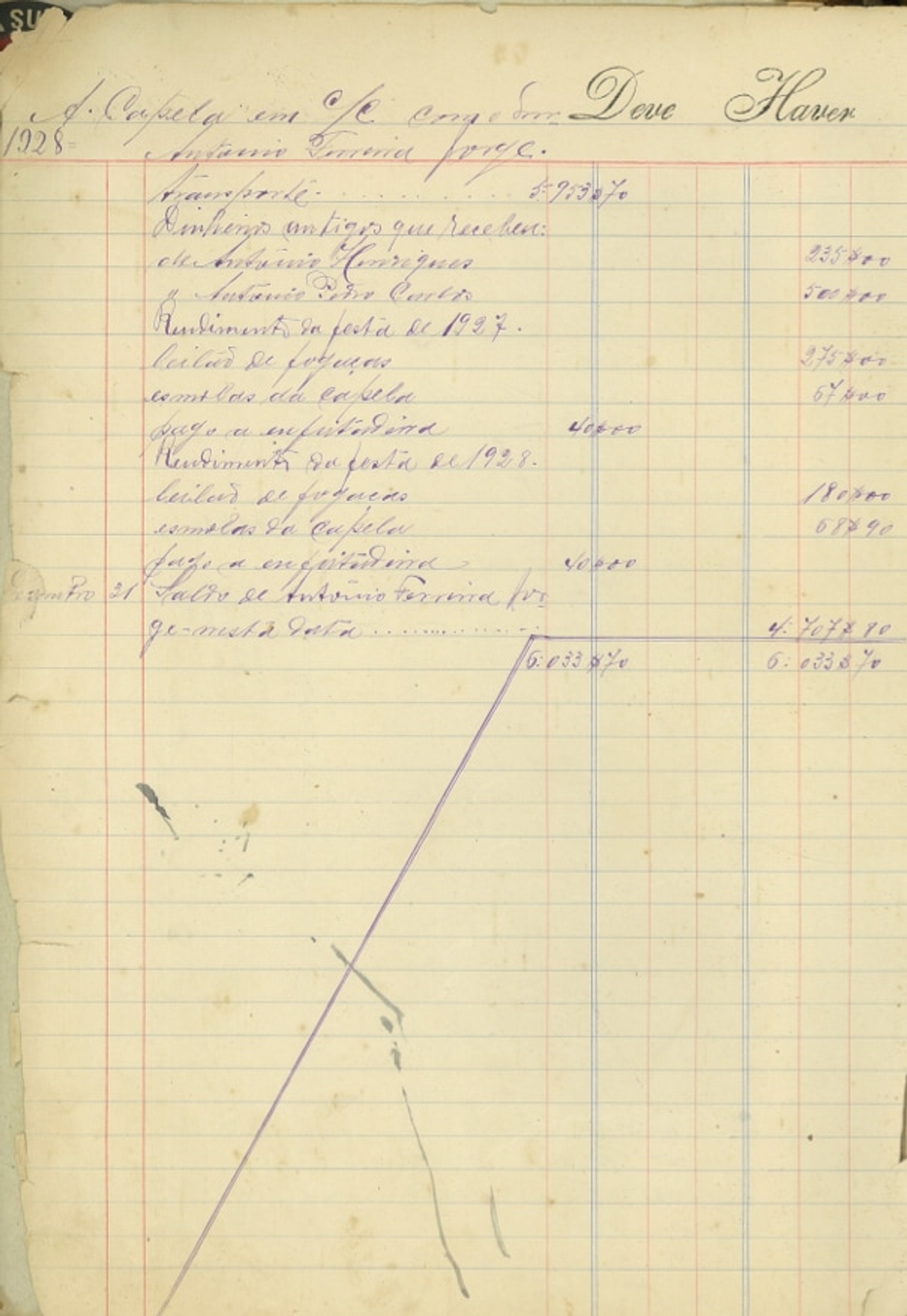 Accounts of the construction of the Chapel of Saint James
 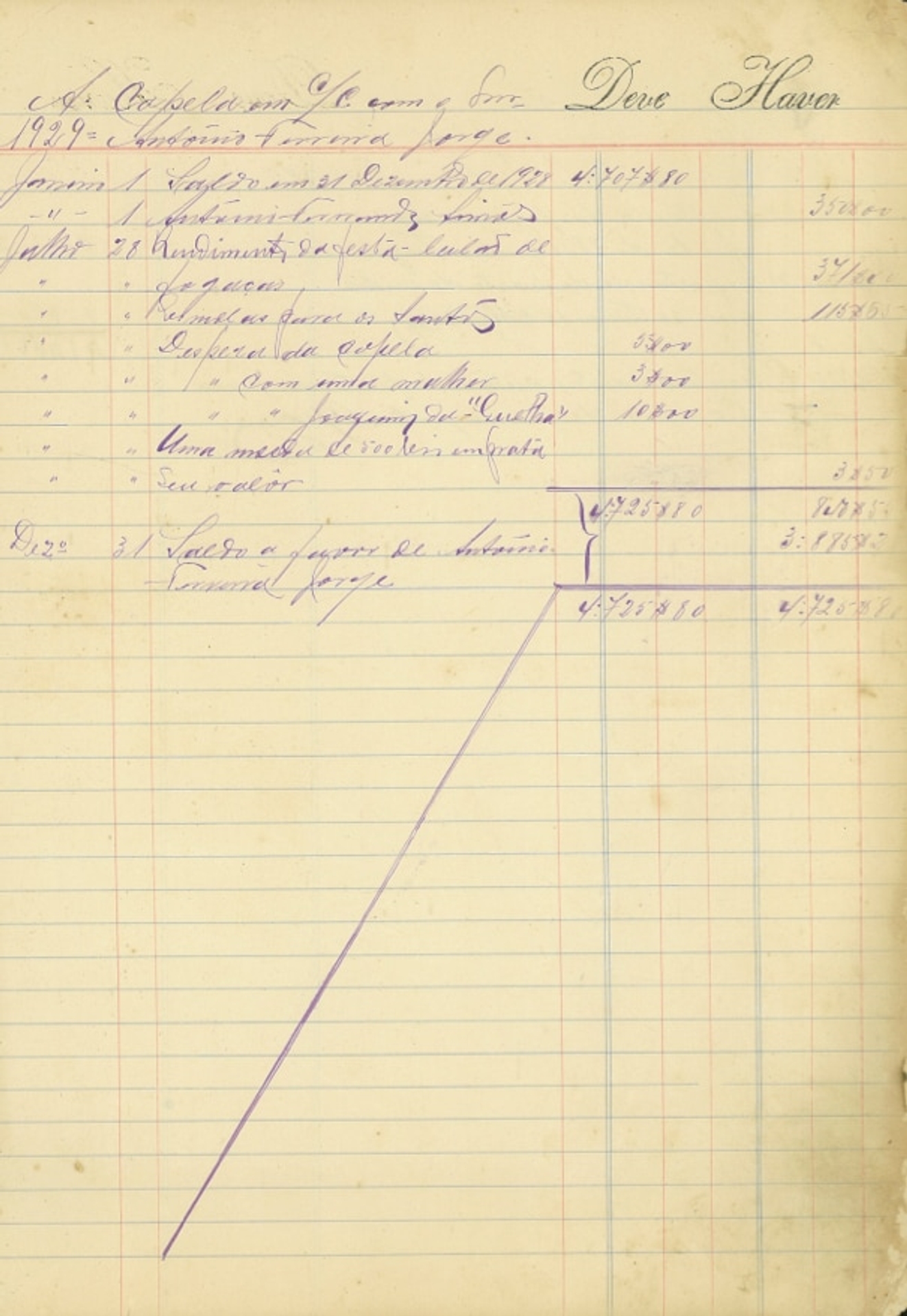 Accounts of the construction of the Chapel of Saint James
 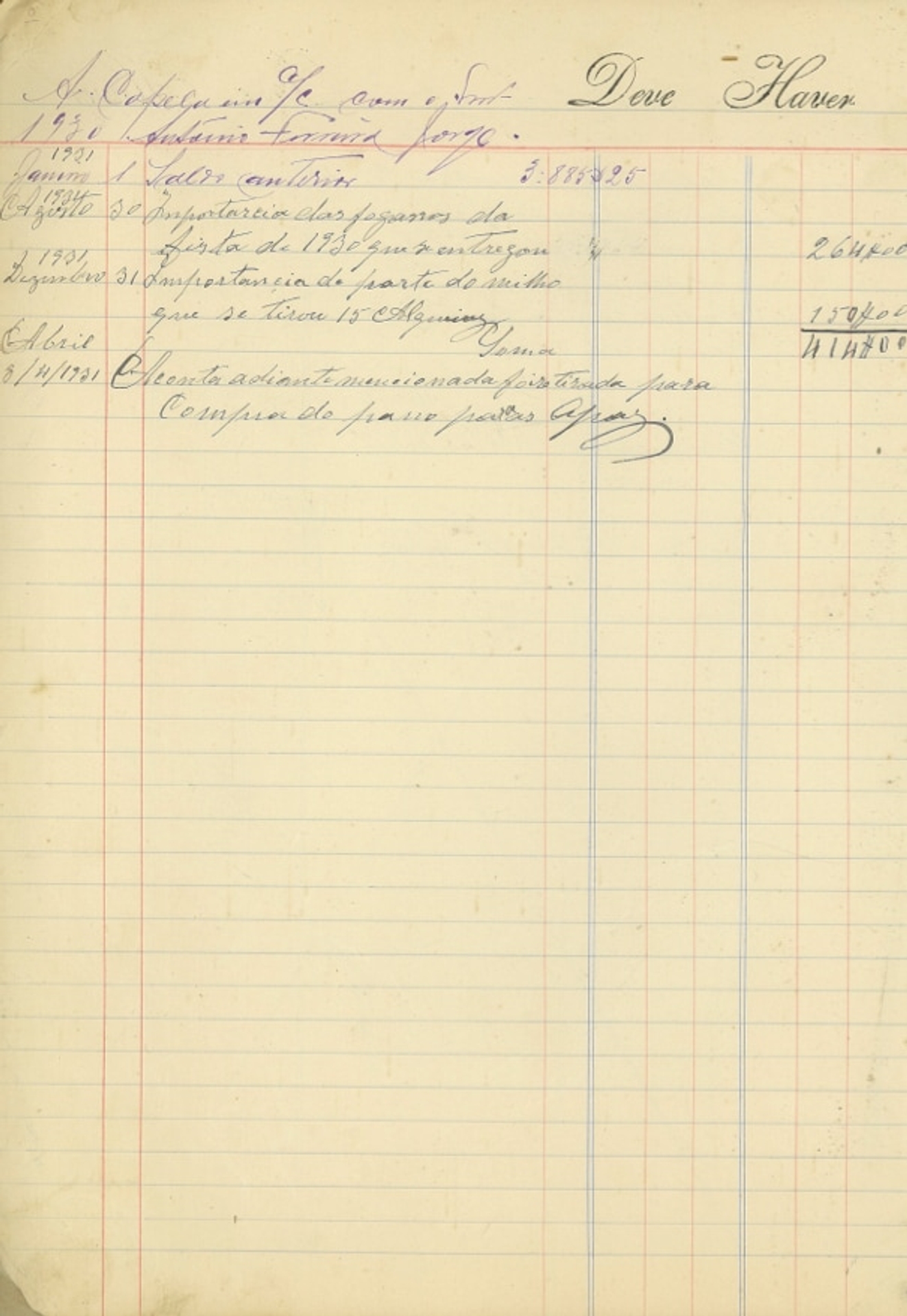 Accounts of the construction of the Chapel of Saint James
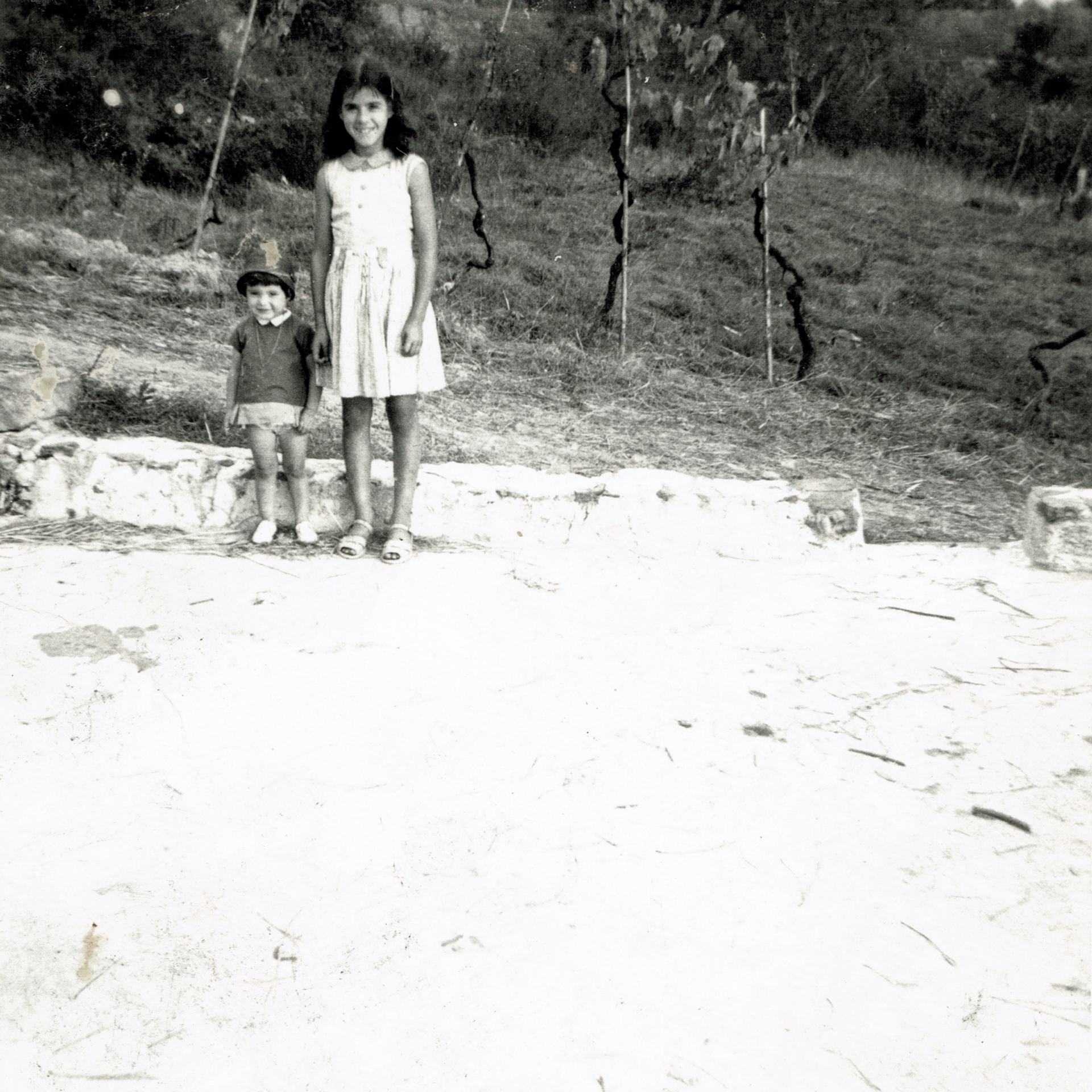
 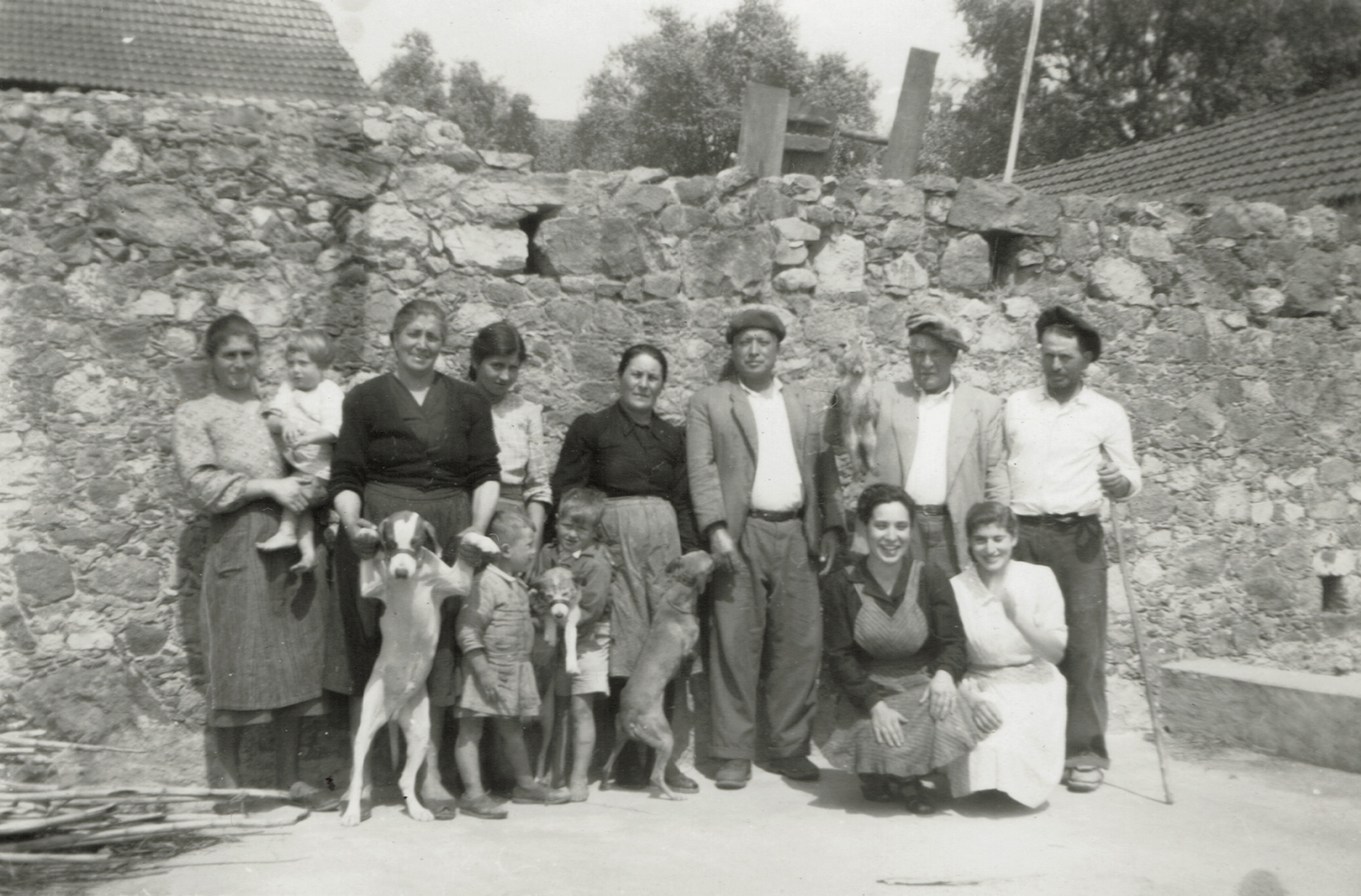 Threshing floor of Ti Ester (date unknown). Collection of the family of José and Maria Helena Jorge.
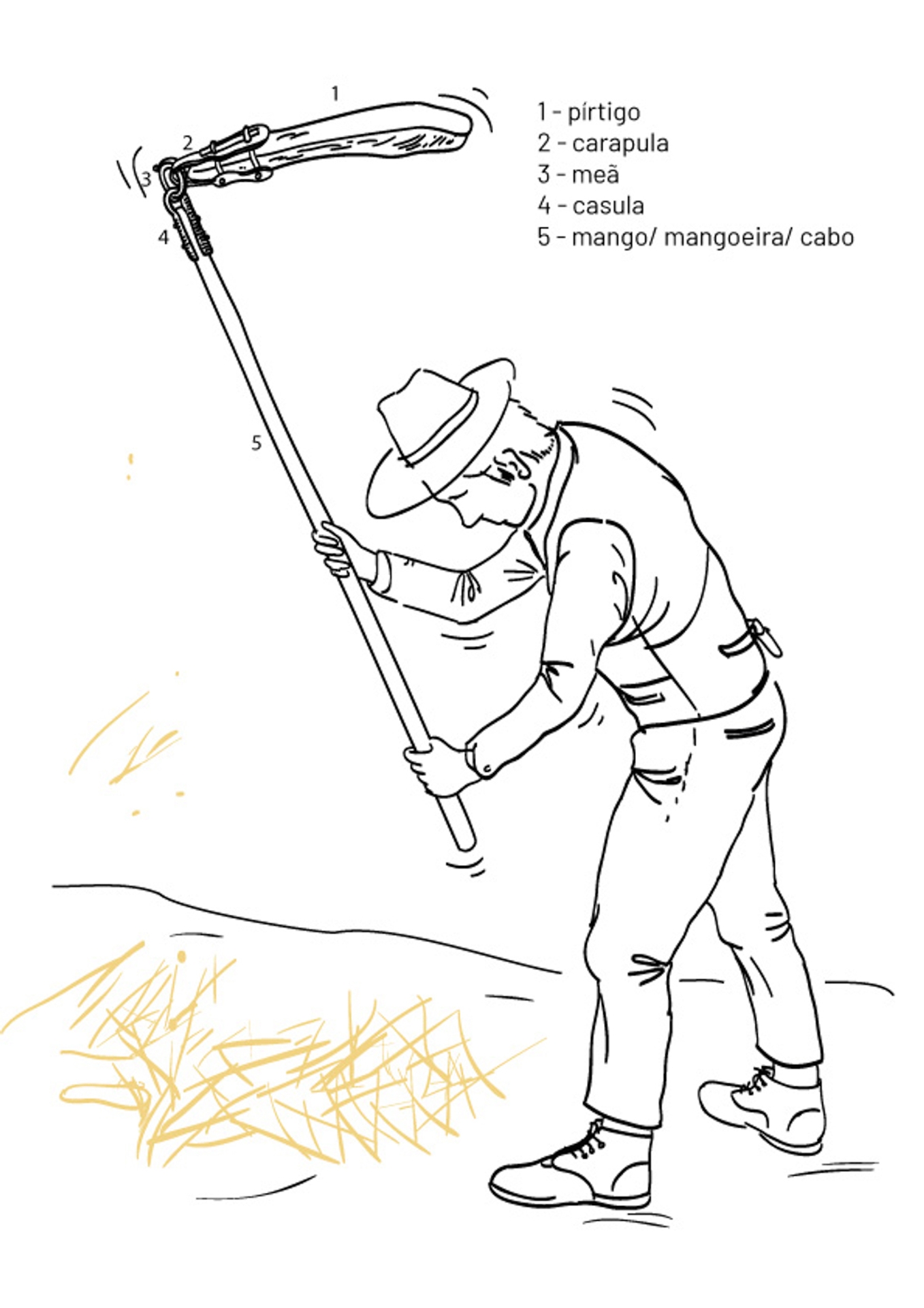
 The Eira dos Passados represents the memory of community harvest life. After the wheat or rye harvest, the grain was transported to the threshing floors where it was separated from the straw by the rhythmic beating of flails (a tool made of two sticks joined by a strap).
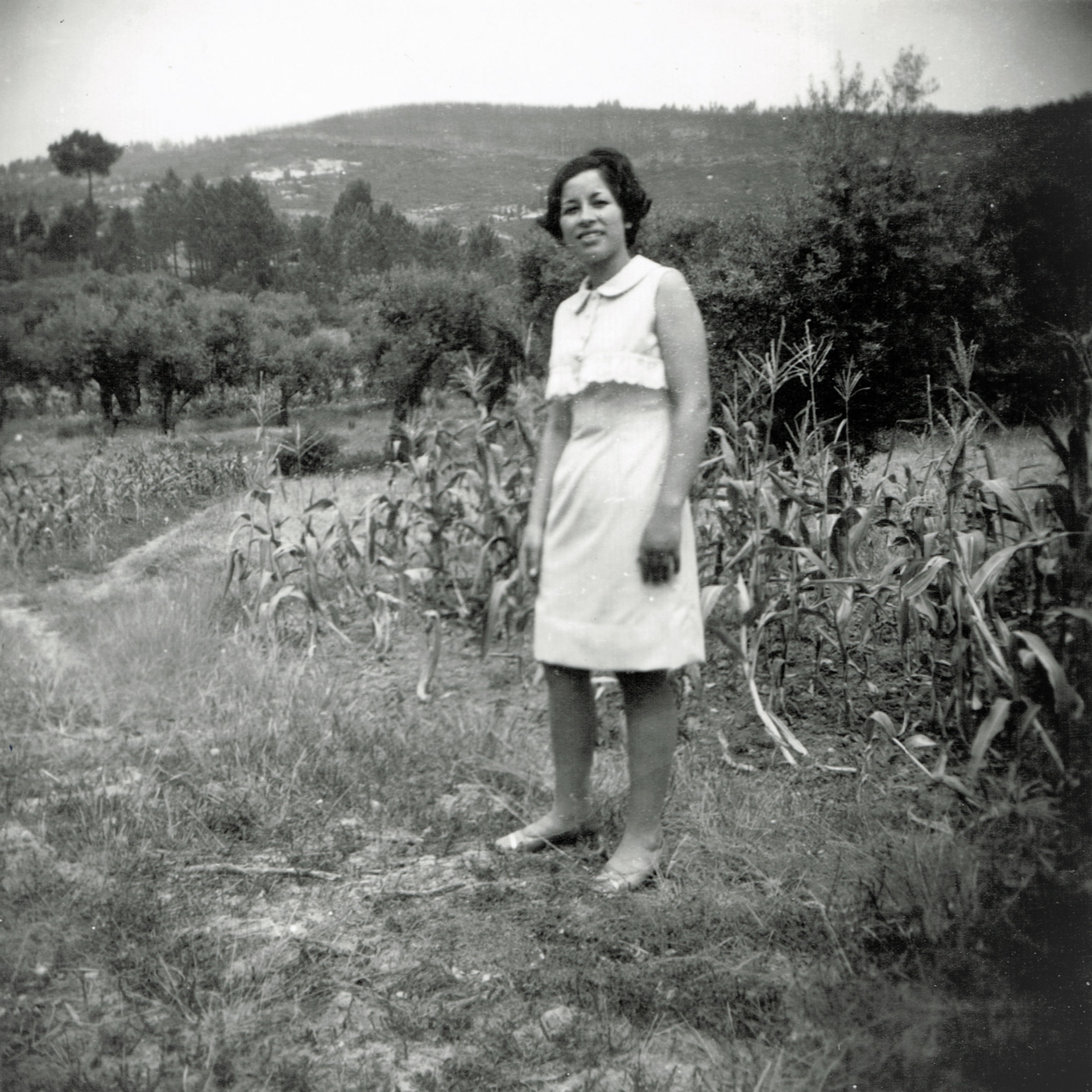
The corn cobs were accumulated for the husking, which gathered the villagers in a joyful bustle. Usually done at night, people recall drinking brandy. It was traditional that, when the king corn (a cob with red grains) was found, the person would go around hugging or kissing everyone. The husked corn was dried and then threshed on the threshing floor.
There are records of several threshing floors in the village. Besides the Eira dos Passados, there were the Eira da Ti Ester and the Eira do Cimo da Aldeia, as well as a threshing floor at Casa do Covão and also the Eira d’Além, which gives its name to a street. The latter also belonged to Casa do Covão but was used by several people, thus named because it was the threshing floor of the same owners located at the other end of the village.
Corn has always been an important crop in the village, but to reach the husking, work had to start much earlier. Initially, it was necessary to plow and harrow before sowing. Often, beans were sown between the corn plants which, once grown about a span high, were hoed.
The next stage was topping, removing the tip to allow the cob to grow. When nearly ripe, it was time to strip the leaves, and finally to harvest. The tips and leaves removed throughout the cycle were used for animal feed, dried, and made into small bundles.
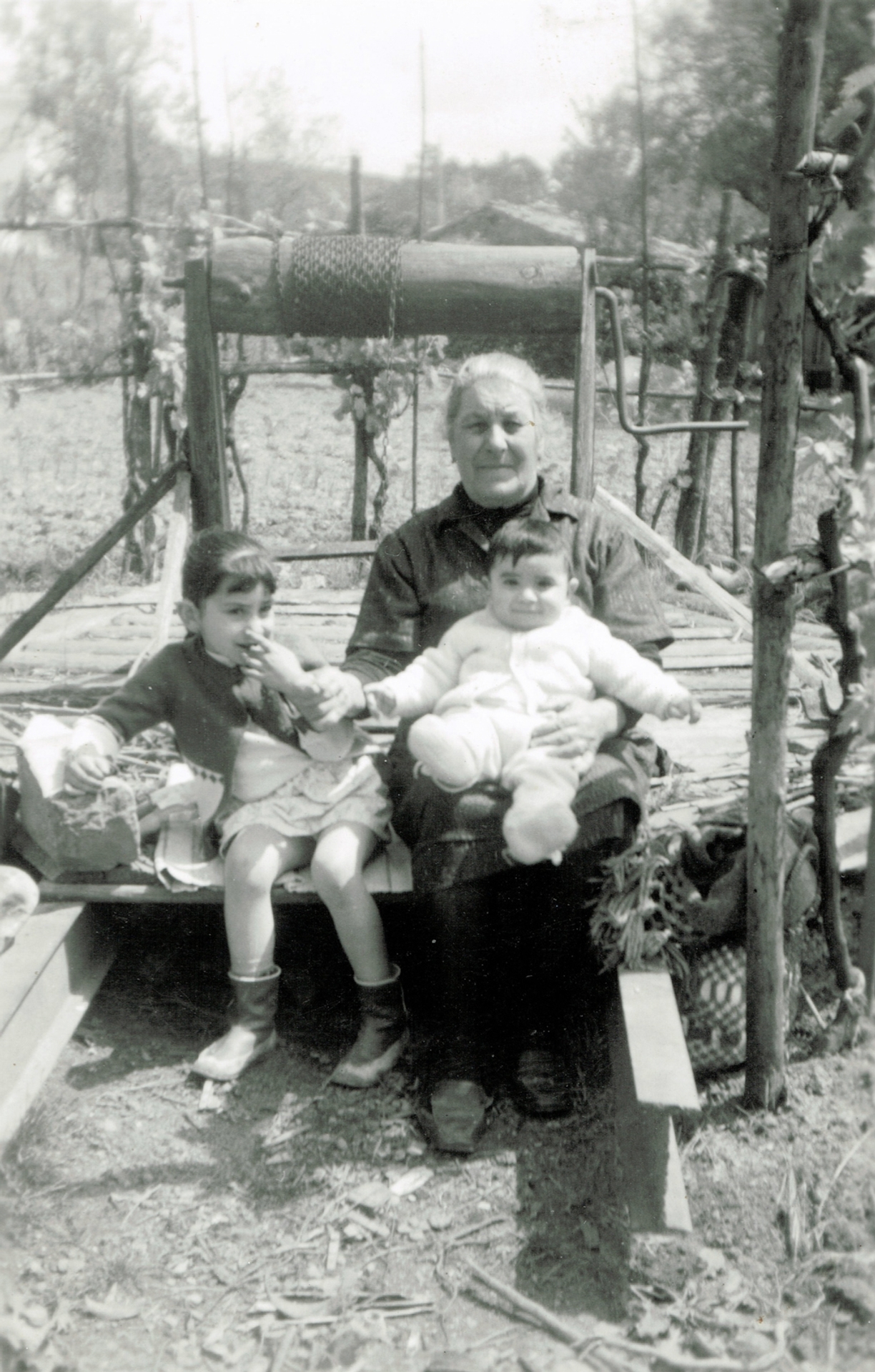
Near the Eira dos Passados, there is a well with a mechanism that recalls the need to obtain water for various functions, namely for human activities and agriculture. There were several structures in the village representing the evolution of water lifting technology, from devices powered by humans or animals:
The word “poial” refers to a stone bench (or a bench made of other materials) next to an exterior wall. However, it can also mean a stopping point (grocery store, shop, tavern) or a place where animals could rest and drink water.
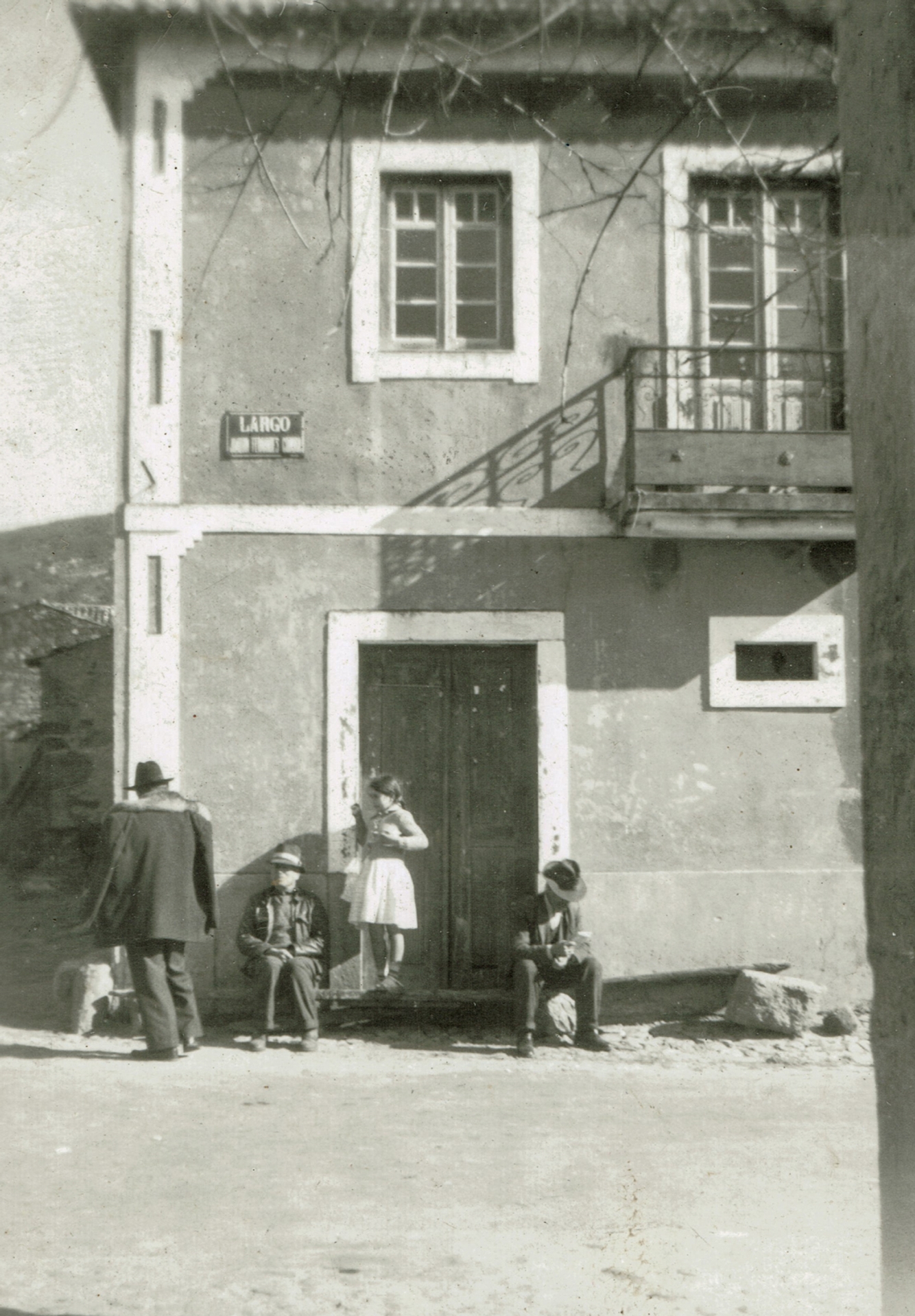
These different meanings applied to this location, not only because there was a bench against this house, serving as a seat or a place to rest and put things down, but also because there were once two shops and a tavern in this area. The Poial also represented the central place where people met and socialised and where one would go to find workers for the fields.
For years, there was an enamelled blue and white sign at the Poial that said “Largo Joaquim Fernandes Coimbra,” commemorating the former mayor of V. N. de Poiares. This central space in the village, where two main roads intersected, was downgraded from a square, but it remains cherished by all for its symbolism and for preserving the fountain made from the characteristic red stone.
A high place where something is put. A low seat made of stone, wood, masonry, etc. “poial,” in Priberam Dictionary of the Portuguese Language [online], 2024, https://dicionario.priberam.org/poial.
A place where something is put. A fixed bench made of wood, stone, etc. next to a wall or the external walls of a house. “poial,” in Dicio - Online Portuguese Dictionary [online], 2024, https://www.dicio.com.br/poial/
A high place, generally next to a wall where something is placed or seated. A fixed bench, generally made of stone, that was used on both sides, in the window sill, at the doorstep of a house. “poial,” in Contemporary Portuguese Language Dictionary (II volume), 2001
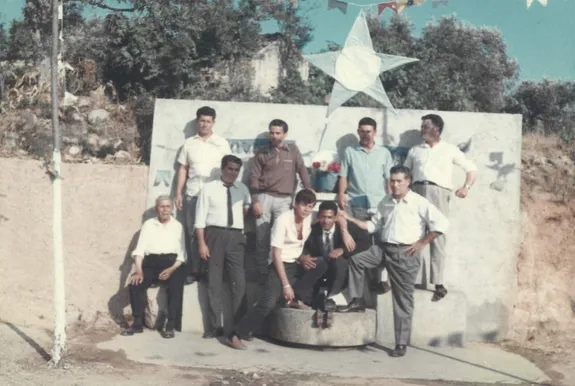
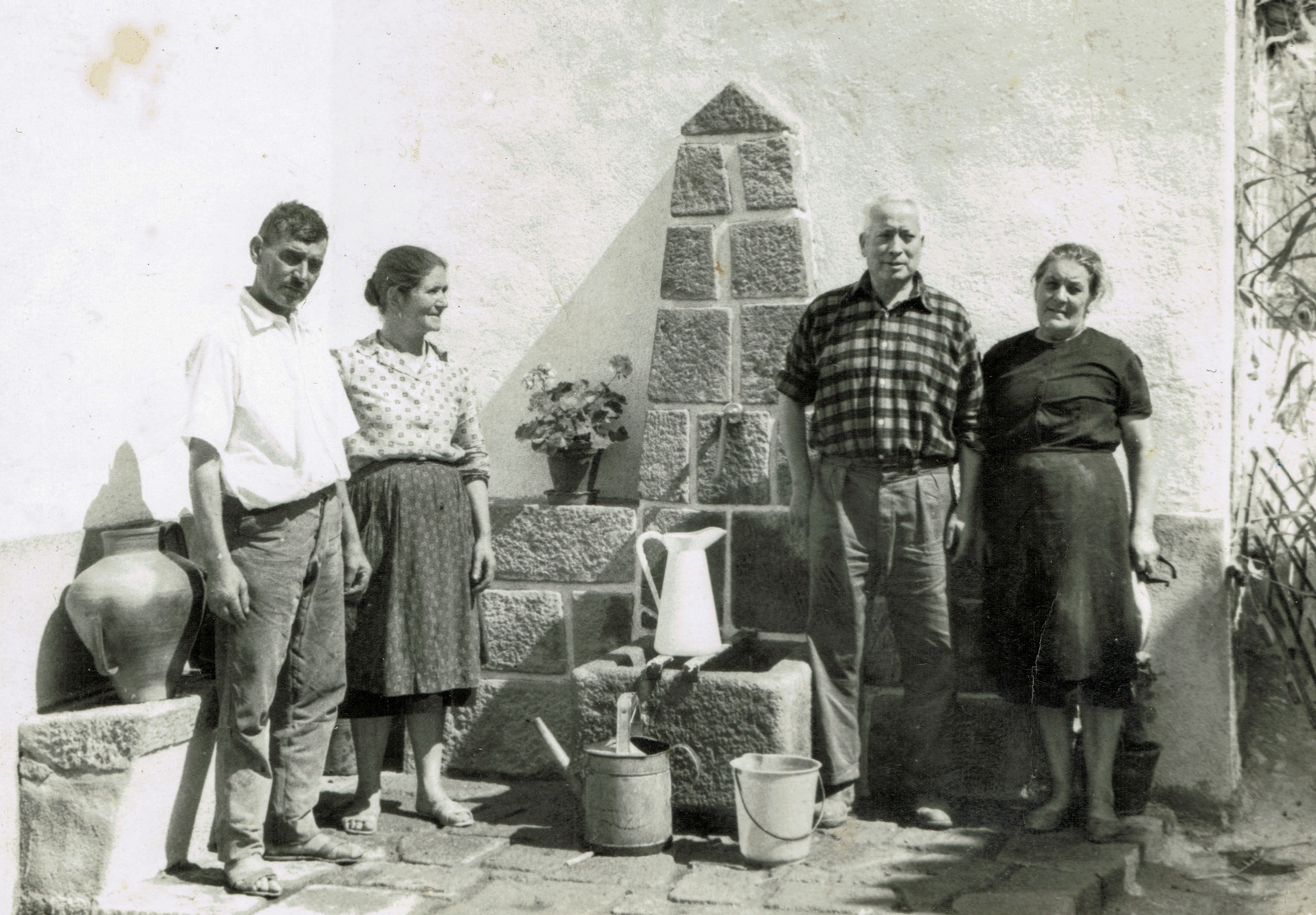
In this very place, there used to be a fountain inaugurated in 1965 with pomp and circumstance, along with a speech of gratitude from the population. It was a great improvement for the people of Alveite but was removed in the 1980s.
On the other side of the square, the “alminhas” (small shrines) house a tile panel depicting the theme of the crucifixion over the souls in Purgatory. Usually built at crossroads or places of passage, the “alminhas” require a prayer for the souls and remembrance of the deceased.
Besides Covão, the signage also indicates the names “Bairro Novo” and Augusto Simões Square for this place.
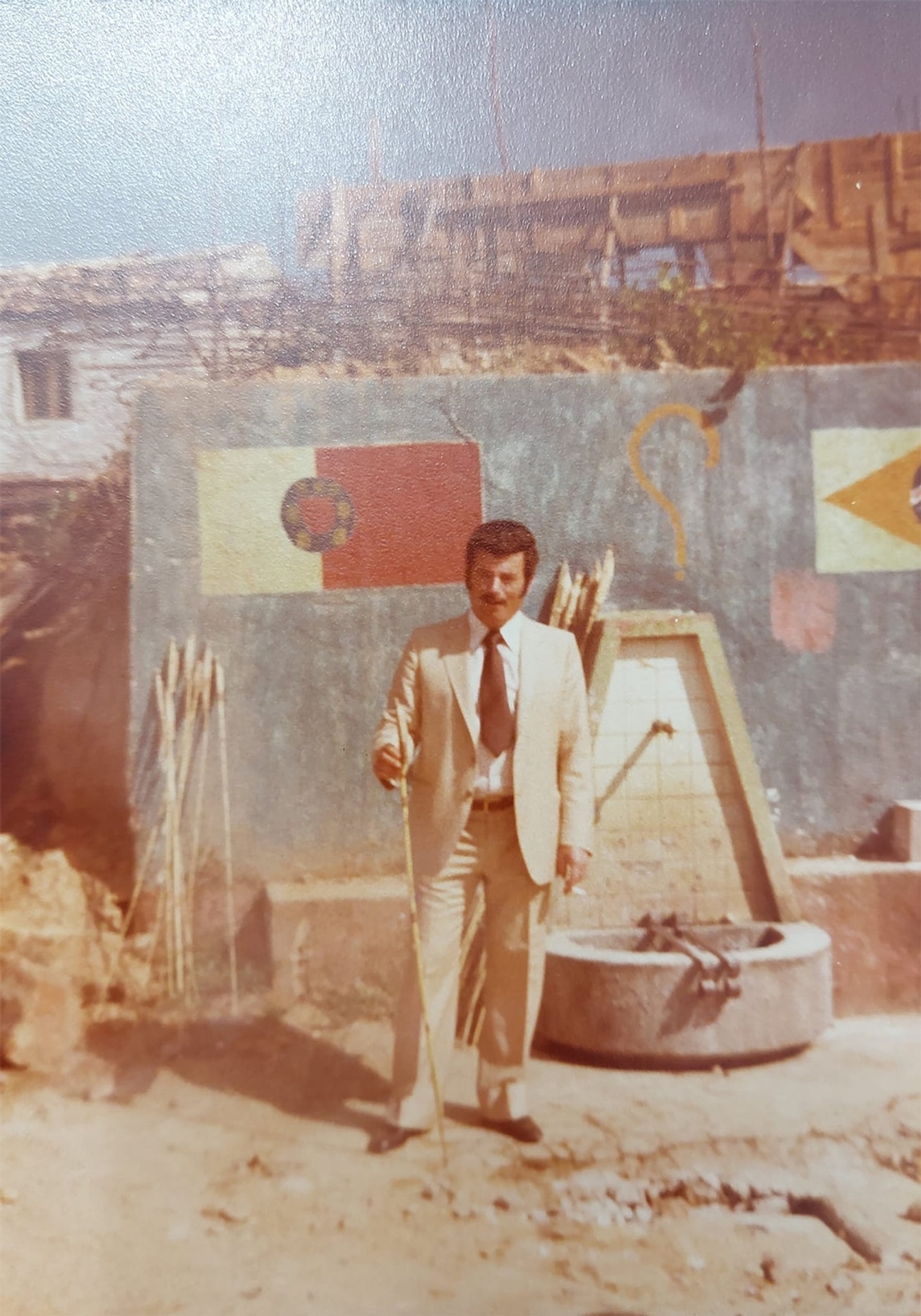
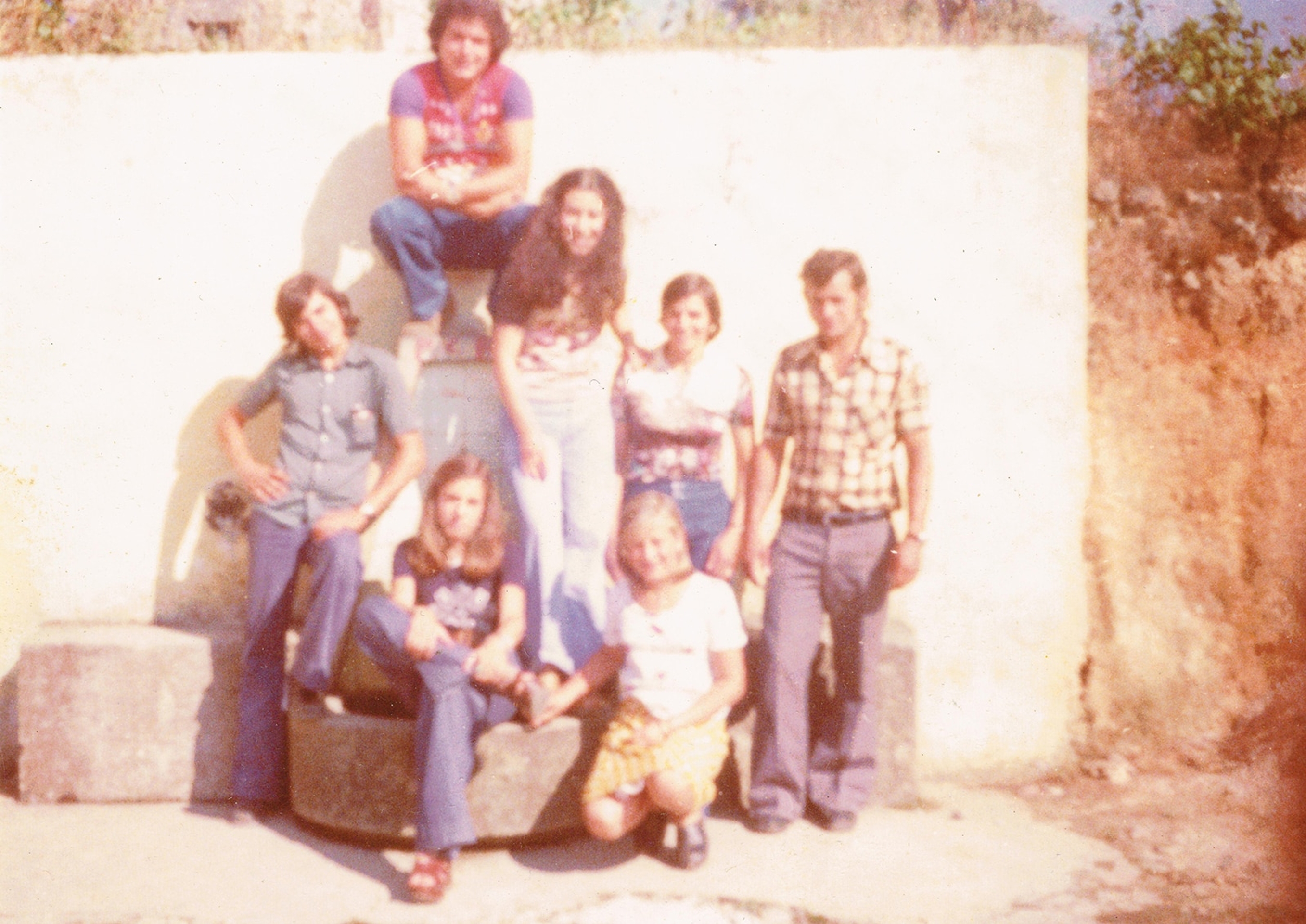
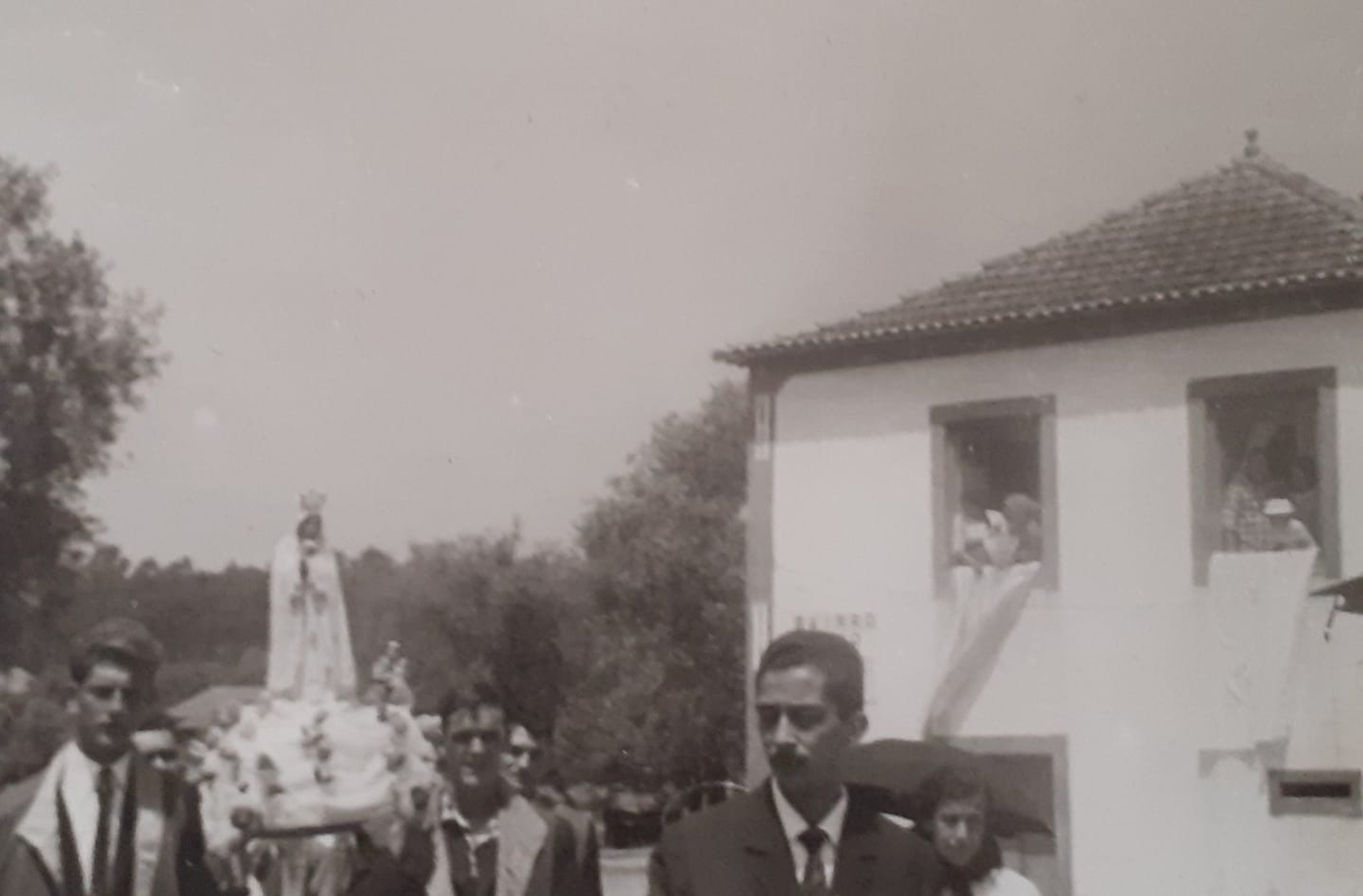
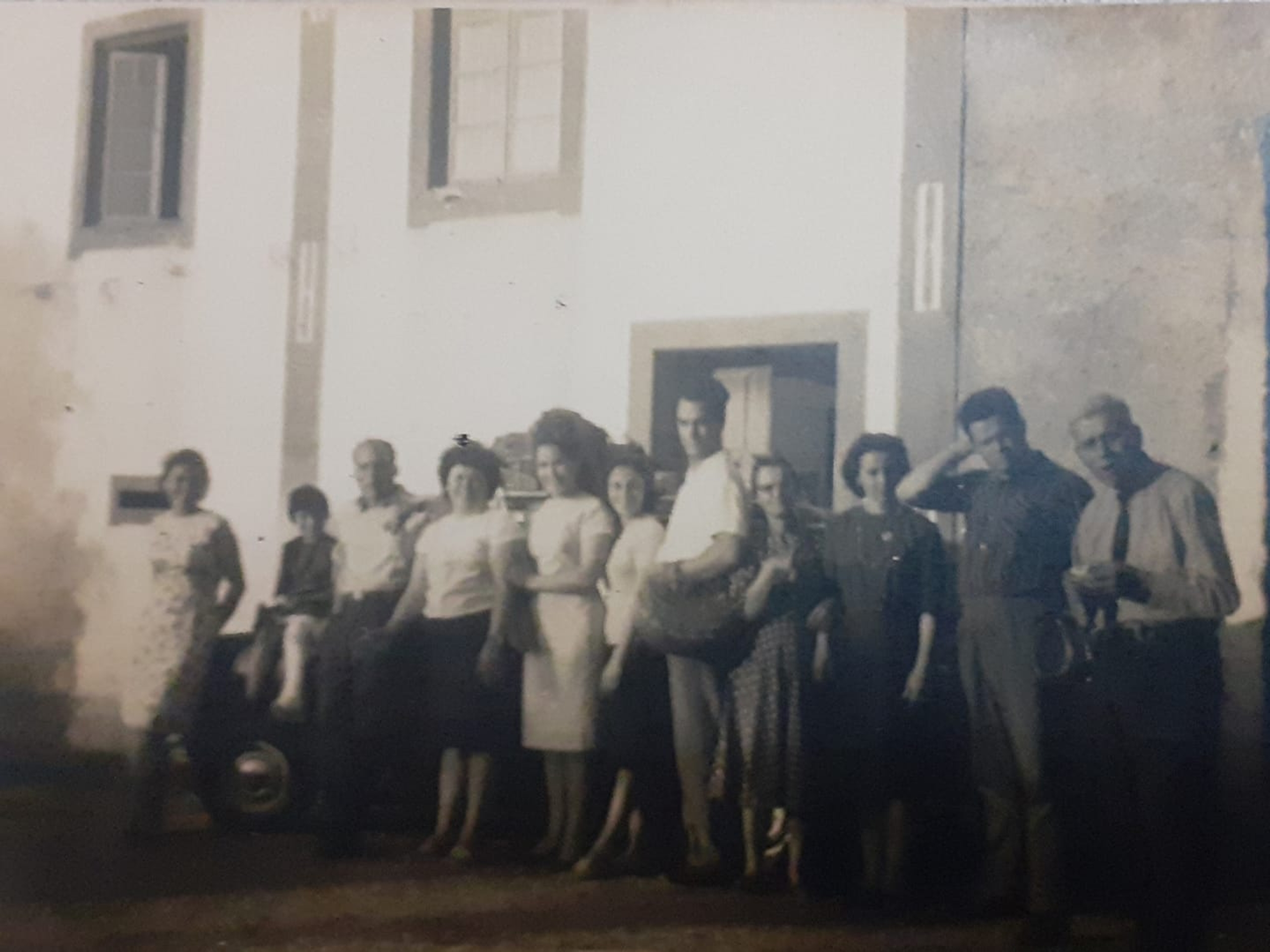
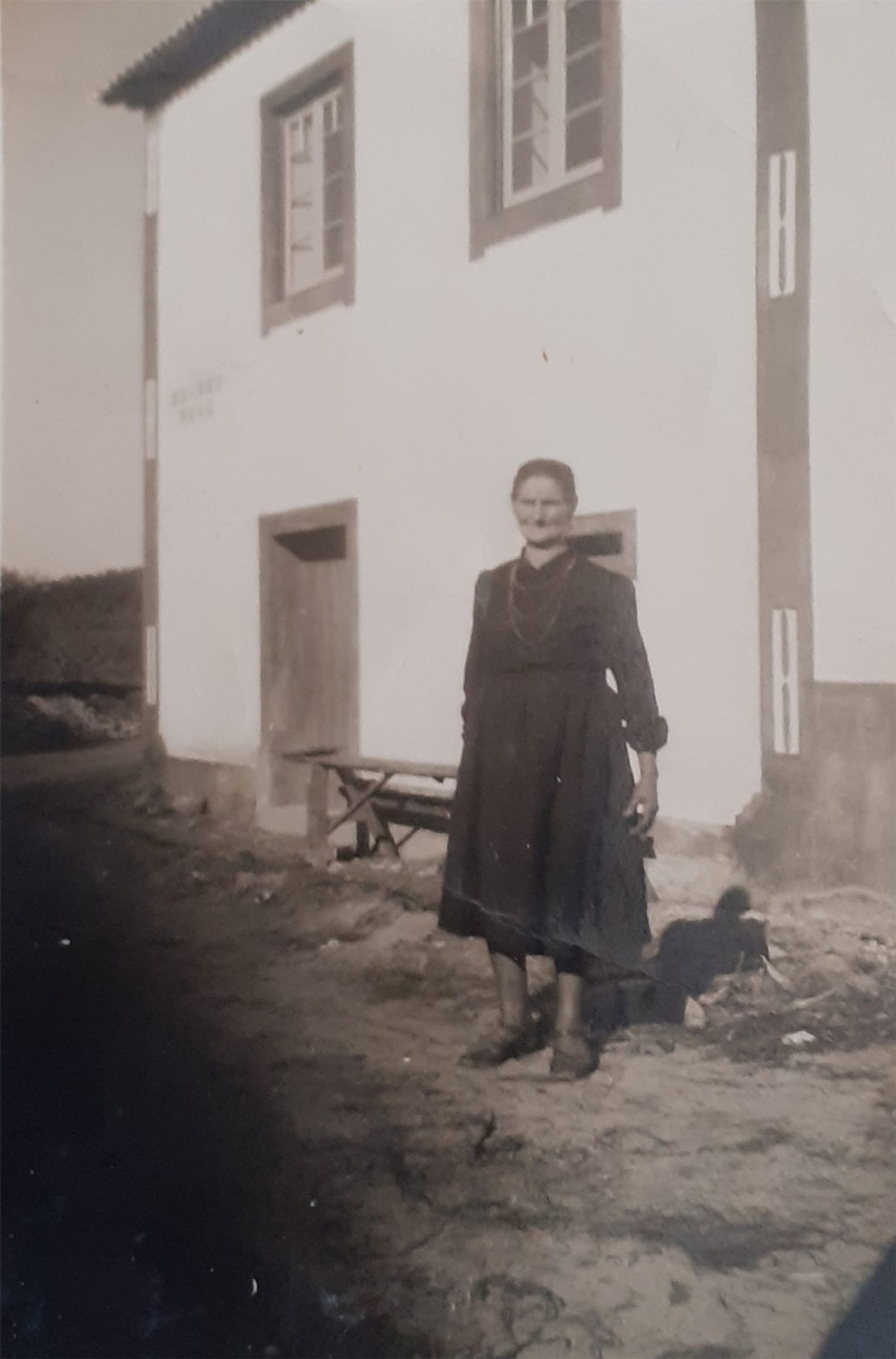
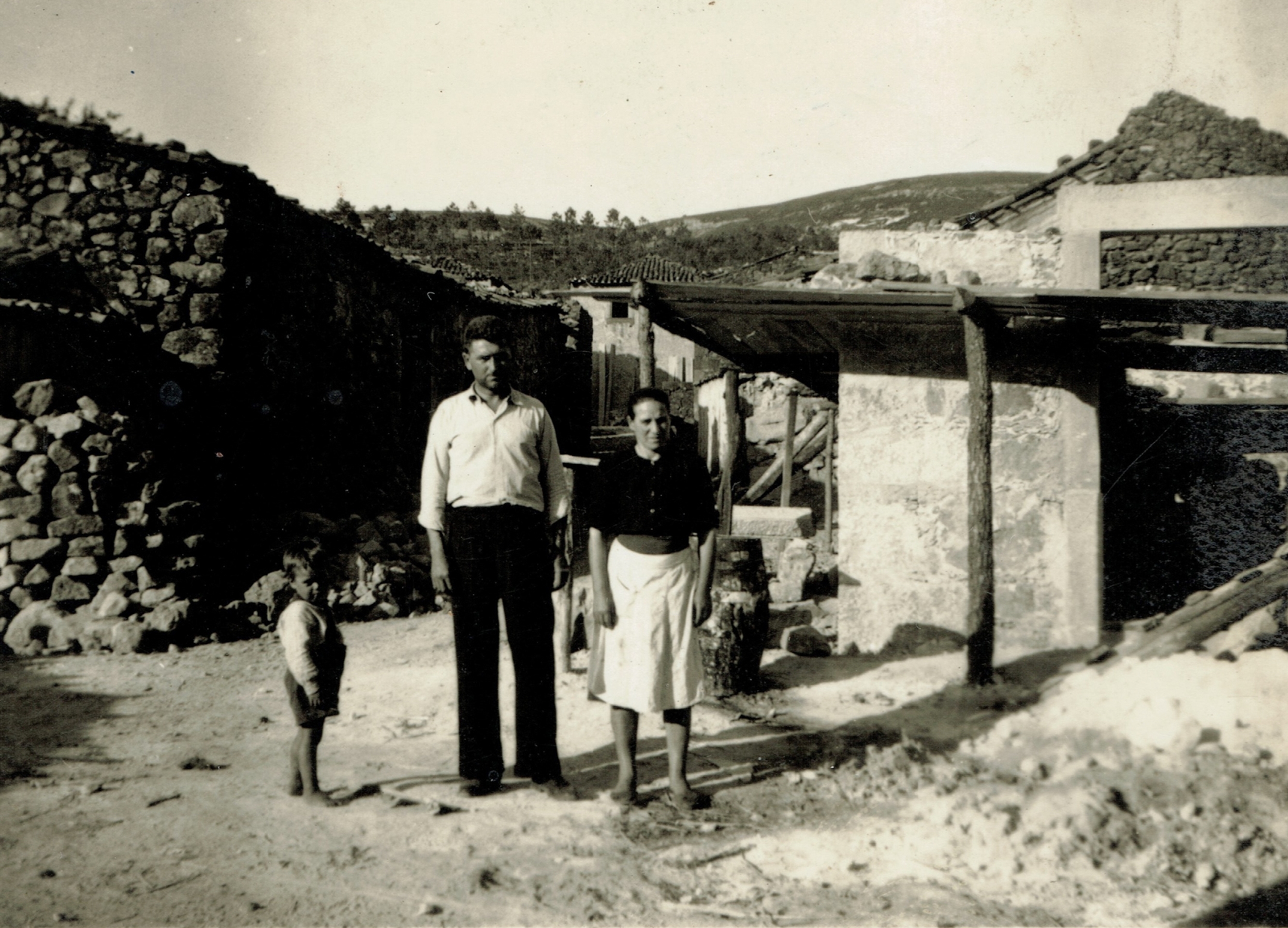
Furadouro means a shortcut through which one escapes without being seen, but some inhabitants say that this name may derive from “ferradouro”, as there was a trunk here where oxen were shod. This trunk is said to have been built in the early 1950s, next to the service road, at the western corner of the side facade of this house.
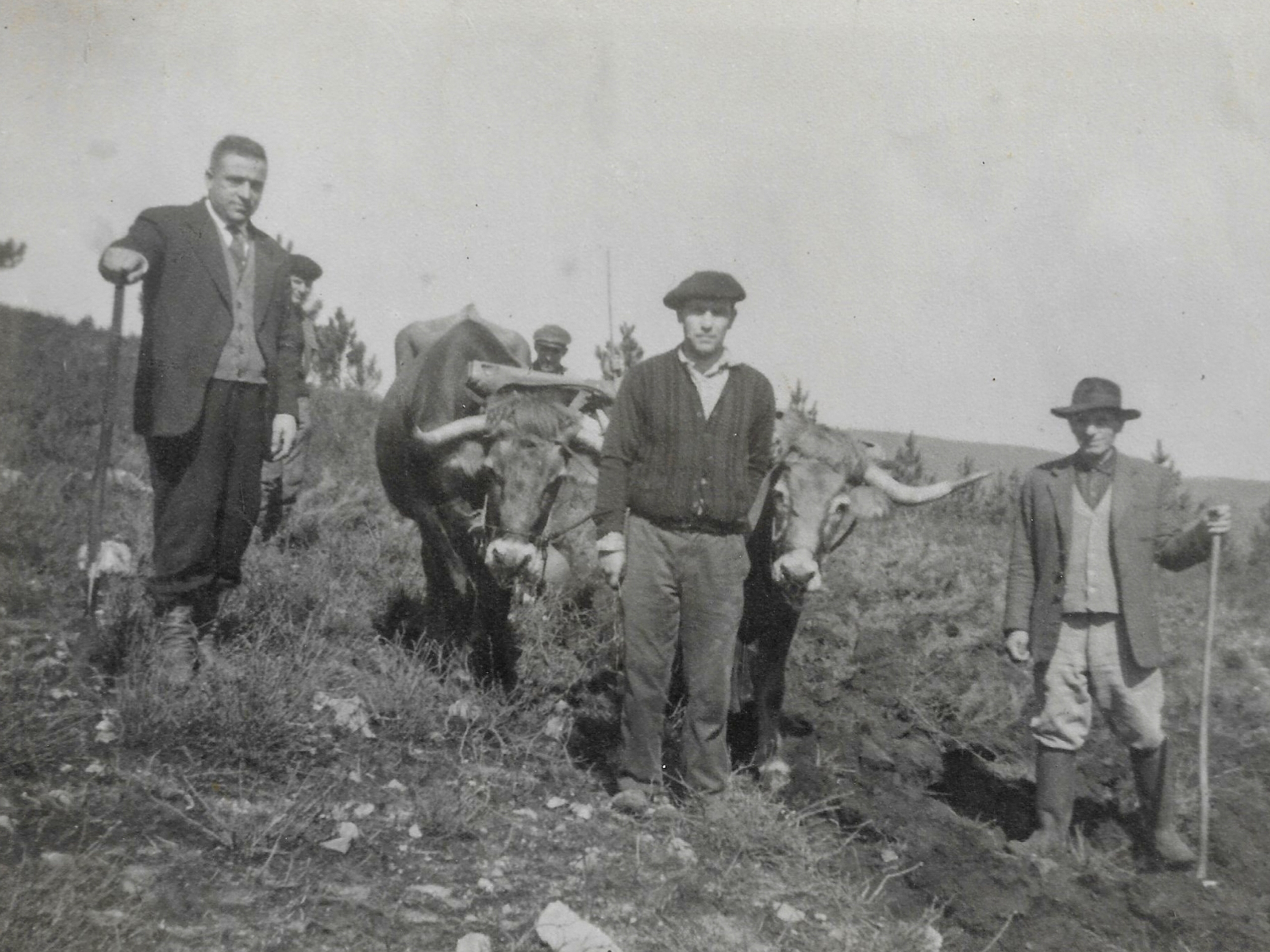
Cattle, particularly oxen, were a valuable aid in fieldwork, pulling plows, harrows, or carts and operating water mills. To prevent hoof wear and protect them from shocks, the animals’ hooves needed to be shod. While single-hoofed animals (mules, horses, donkeys,…) had horseshoes nailed with studs (nails usually with square heads), oxen, being two-hoofed animals, used canelos.
In Alveite, several families had oxen teams, but there was no blacksmith, so they had to travel with the animals to Vale de Vaz, a village at the southern edge of the municipality, where there was a blacksmith’s shop. This caused inconvenience to both people and animals, who slipped on the road until they got there, so Alberto Jorge (the owner of this house) decided to build the trunk and make it available to the other inhabitants so that the blacksmith could come to the village, saving time for the locals.
The shoeing trunk was thus a structure used to immobilize and support the oxen, allowing the blacksmith to perform his shoeing work, avoiding kicks and horn strikes. Today this element is no longer seen, and it is probably not from it that the toponym “Furadouro” derives, but it remains in the memory of the oldest residents as an essential social equipment.
The blacksmith was the most knowledgeable person about animals and had knowledge of veterinary medicine, whom people turned to when it was necessary to treat animal diseases, perform dressings, bleedings, castrations, etc. A veterinarian was a sort of diploma-less veterinarian or a popular veterinarian, and it is interesting to note the similarity of this term to the name of the village.
This is an expression associated with the blacksmith’s trade, as he used nails to fix the horseshoes to the animals’ hooves. The expression, which refers to hitting one accurate blow and another not, means not committing, using ambiguous arguments, defending both sides.
Shortcut through which someone escapes without being seen. “furadouro, furadoiro”, in Contemporary Portuguese Language Dictionary (Volume I), 2001
They say that when the road was just a country path, this place was called Pontinha because of a small plank that, like a little bridge, allowed crossing over the stream. Today, this toponym has fallen out of use, with the name “Regato” remaining to designate the upper part of the area.
The water still springs forth and flows in small streams, some now underground, bringing fertility to the surrounding lands. In one of them, until a few years ago, there was even a stork or donkey—an apparatus used to lift water for irrigation.
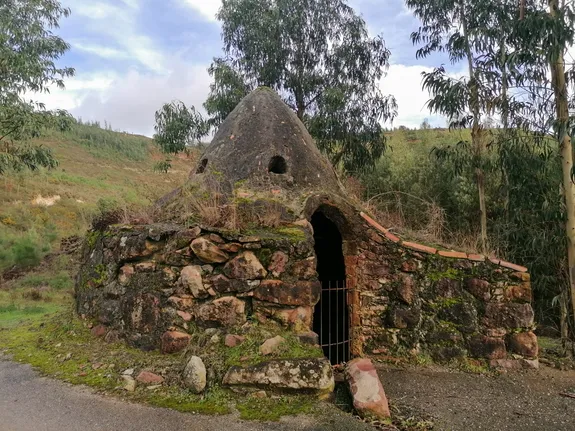
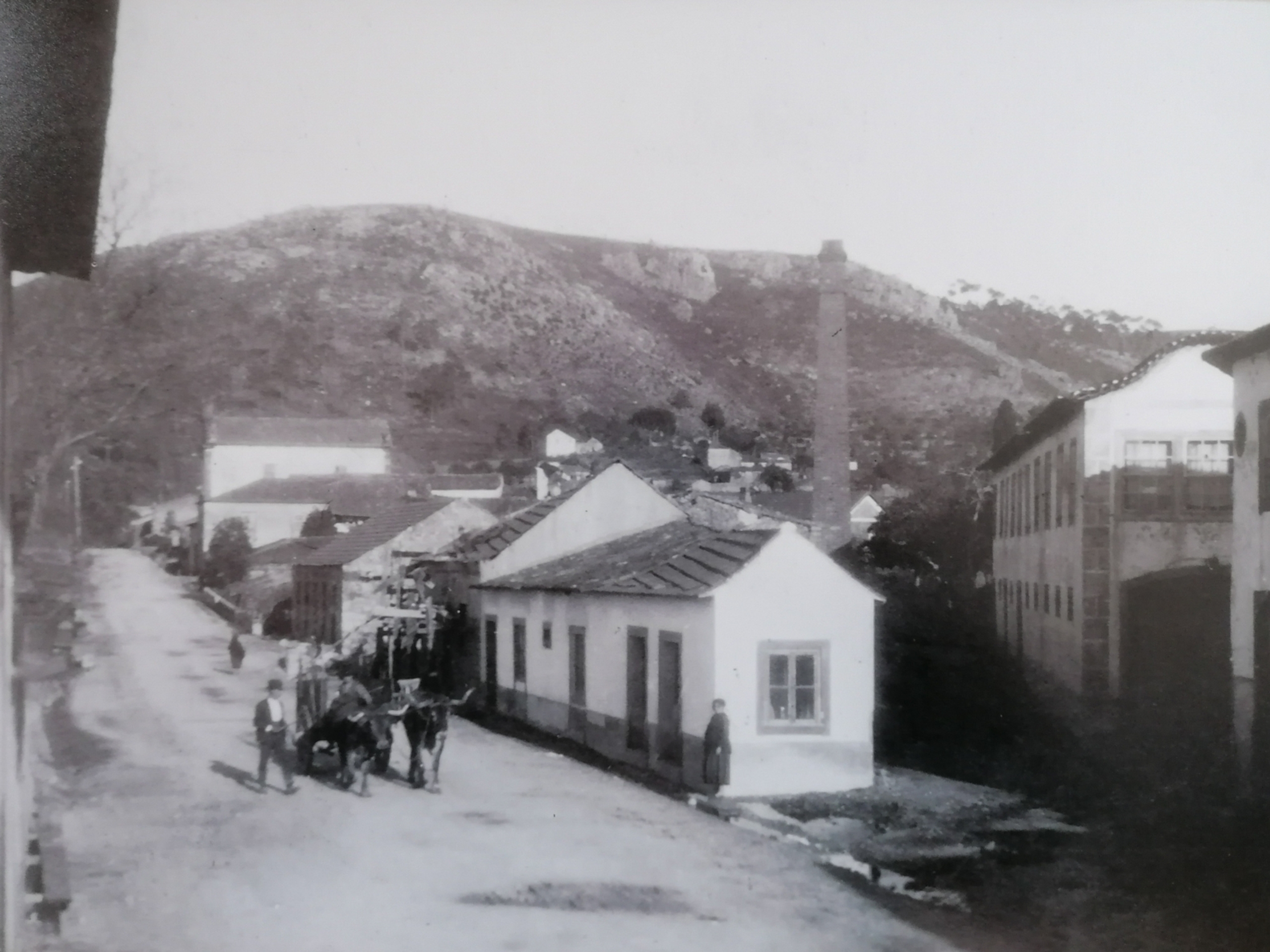
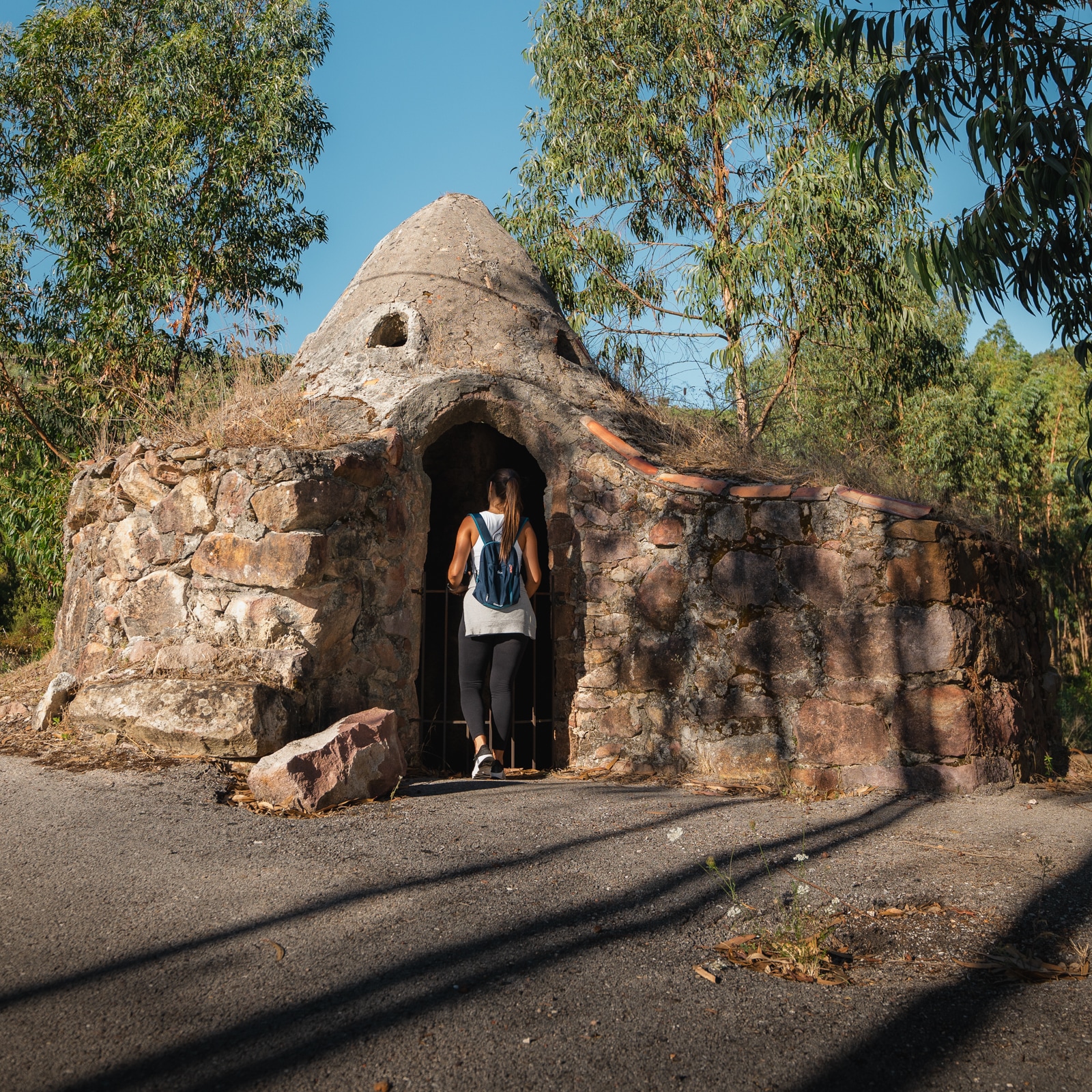
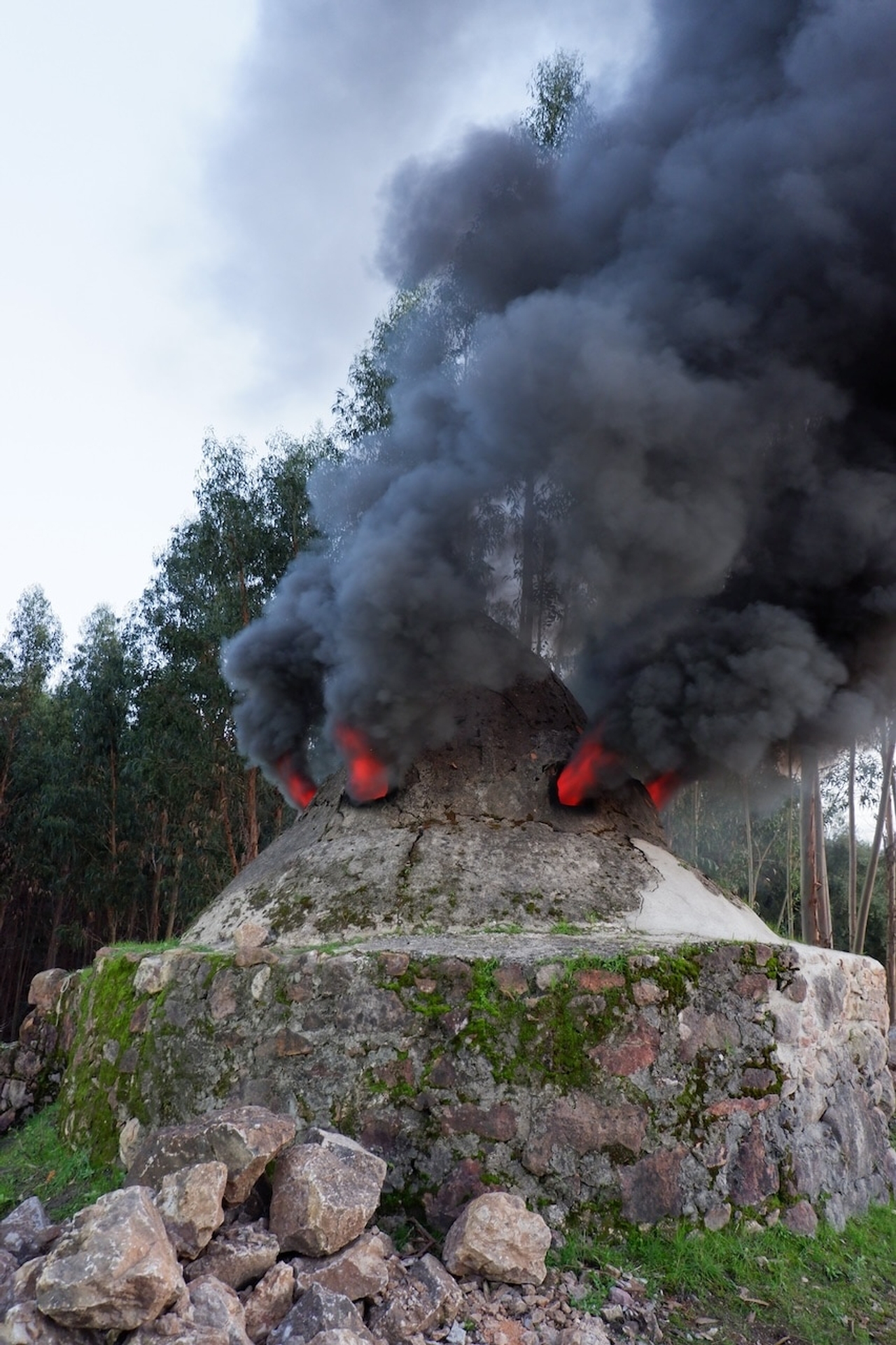
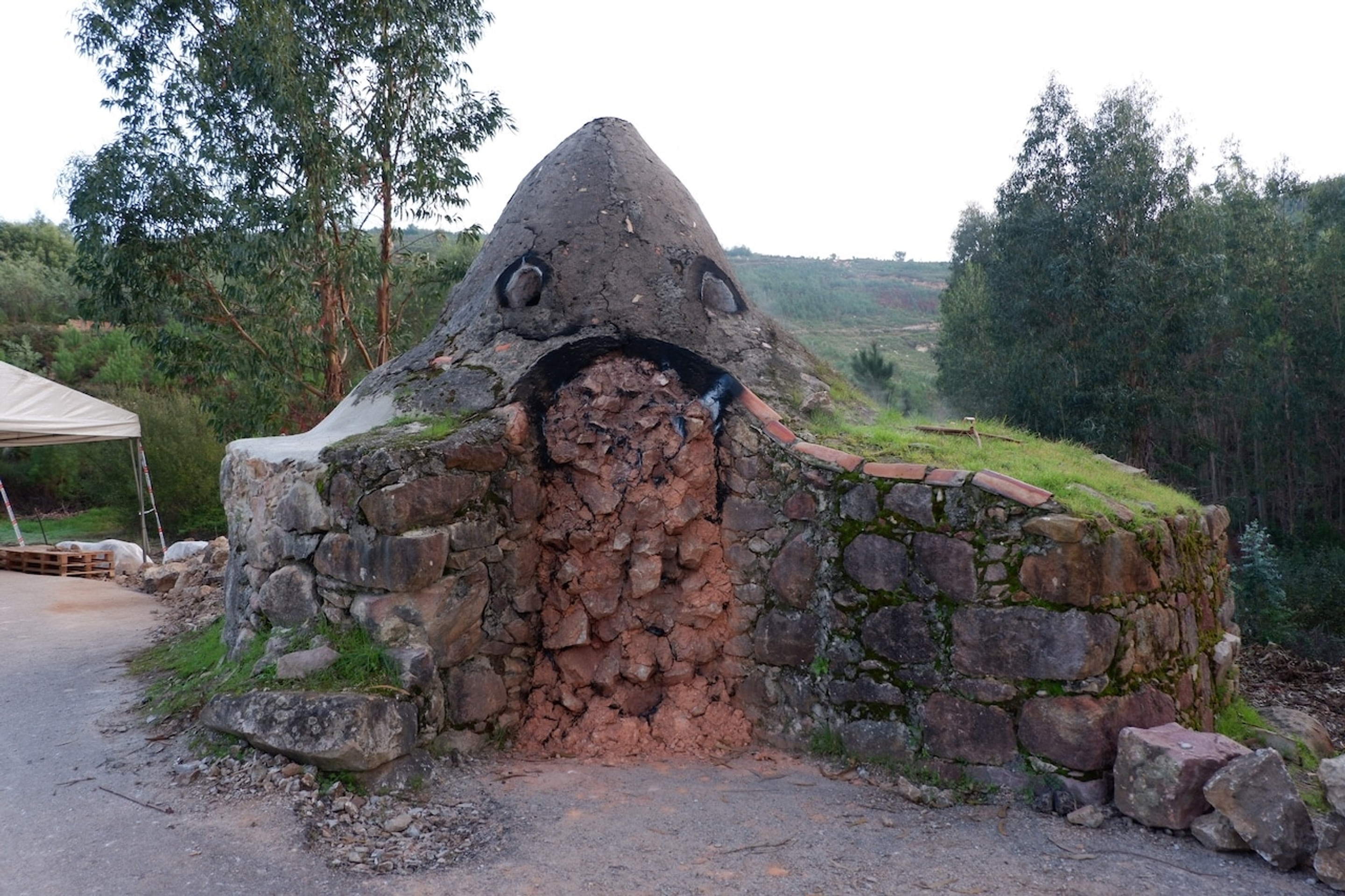
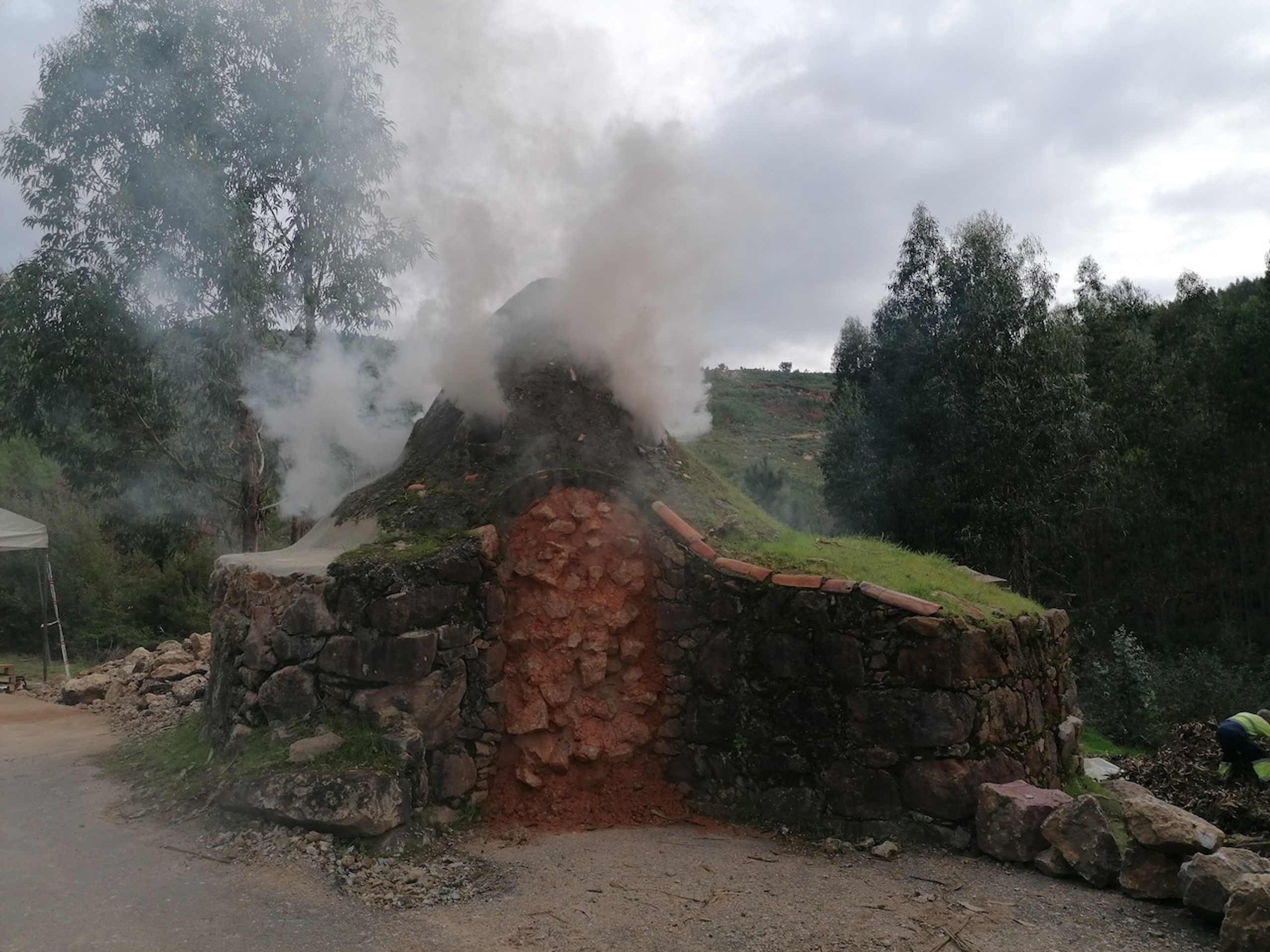
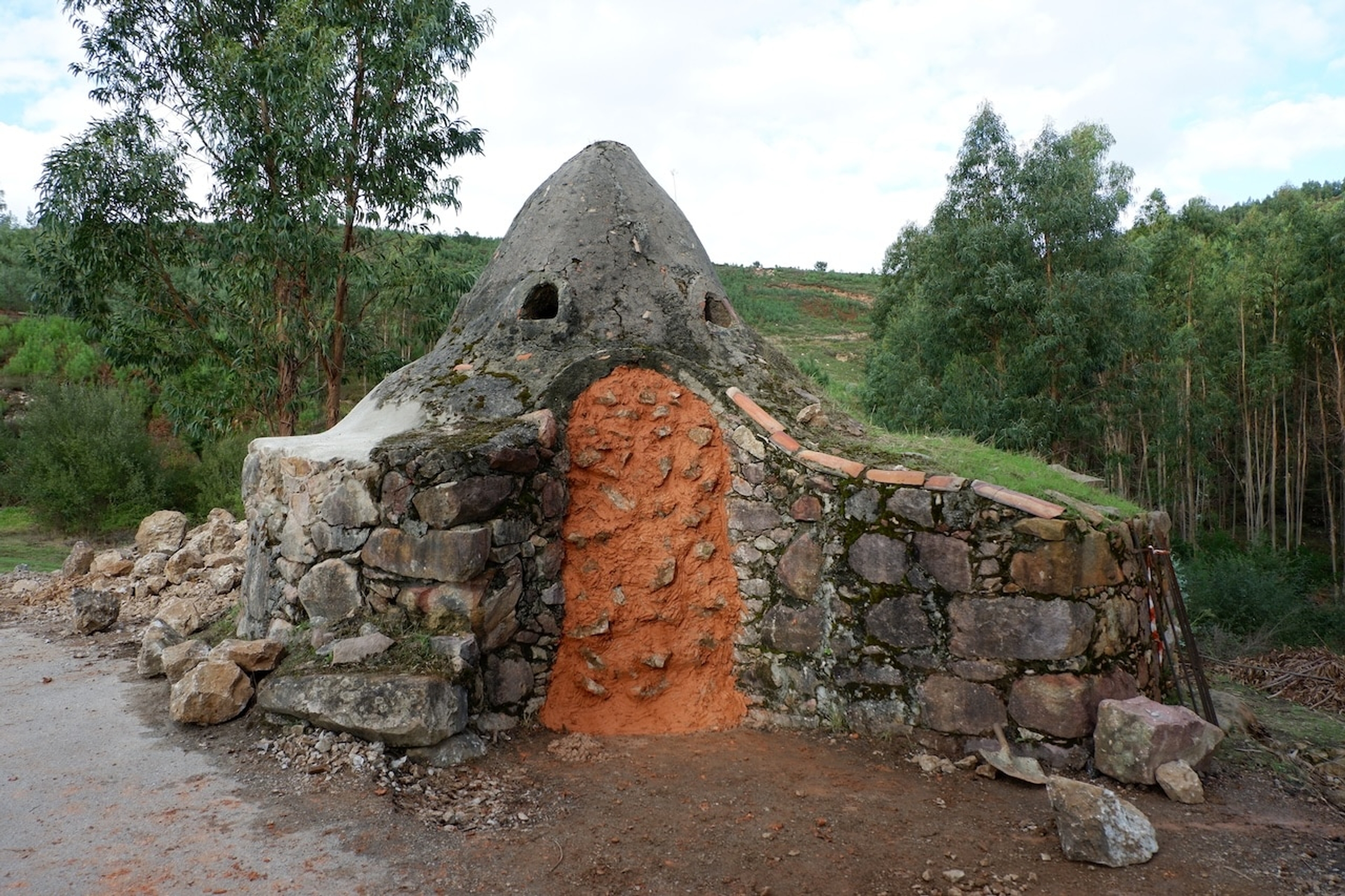
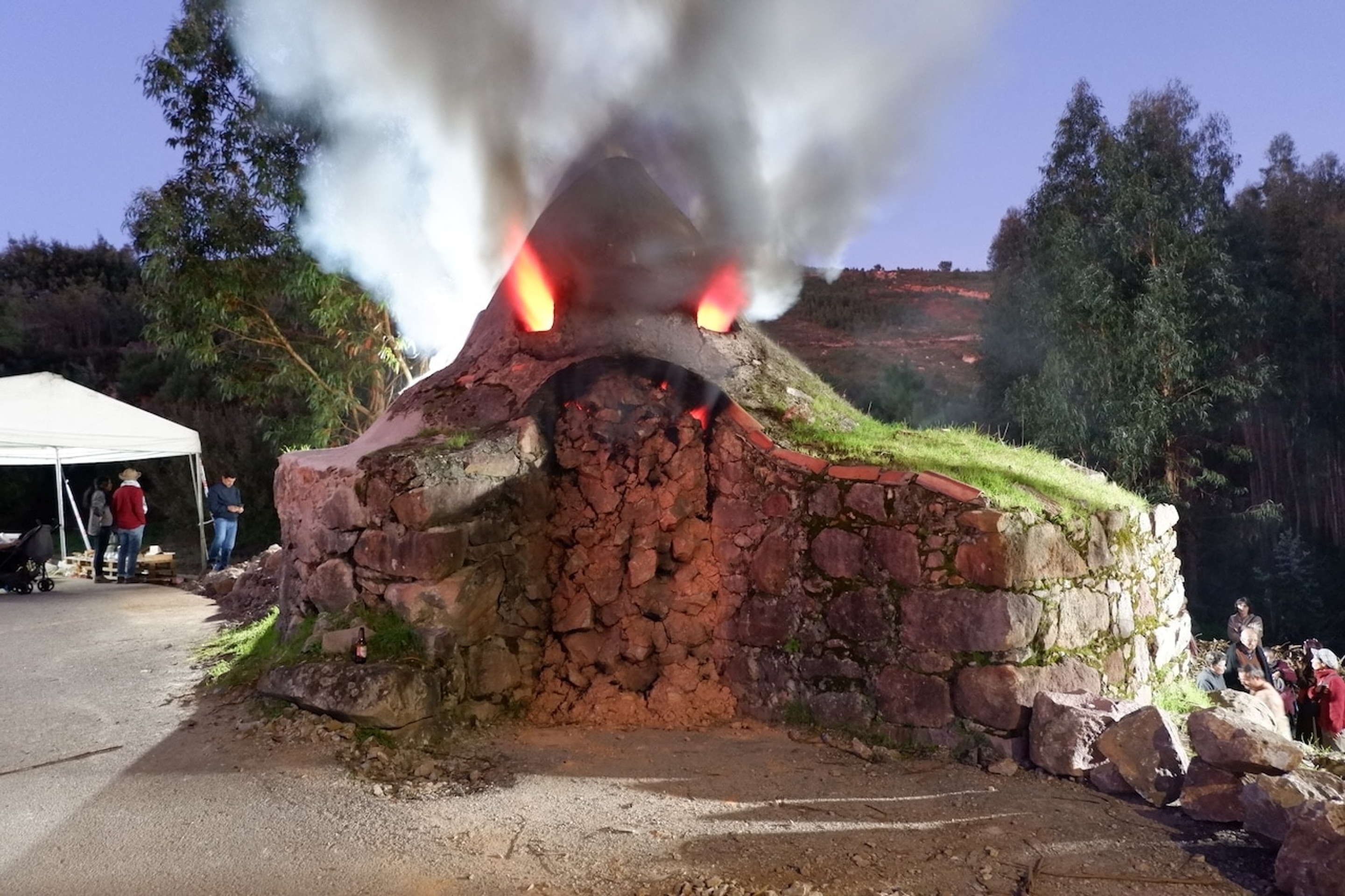
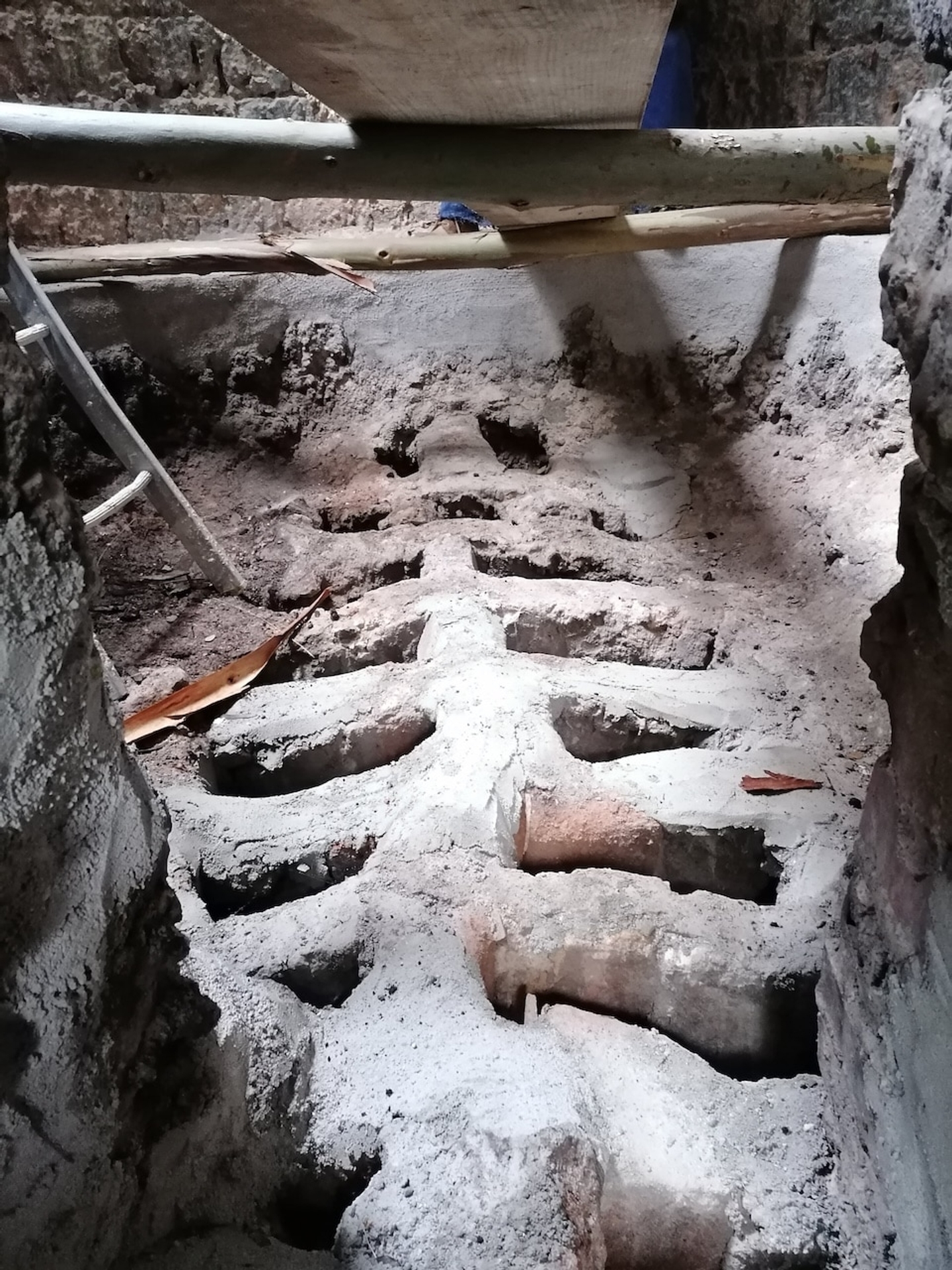
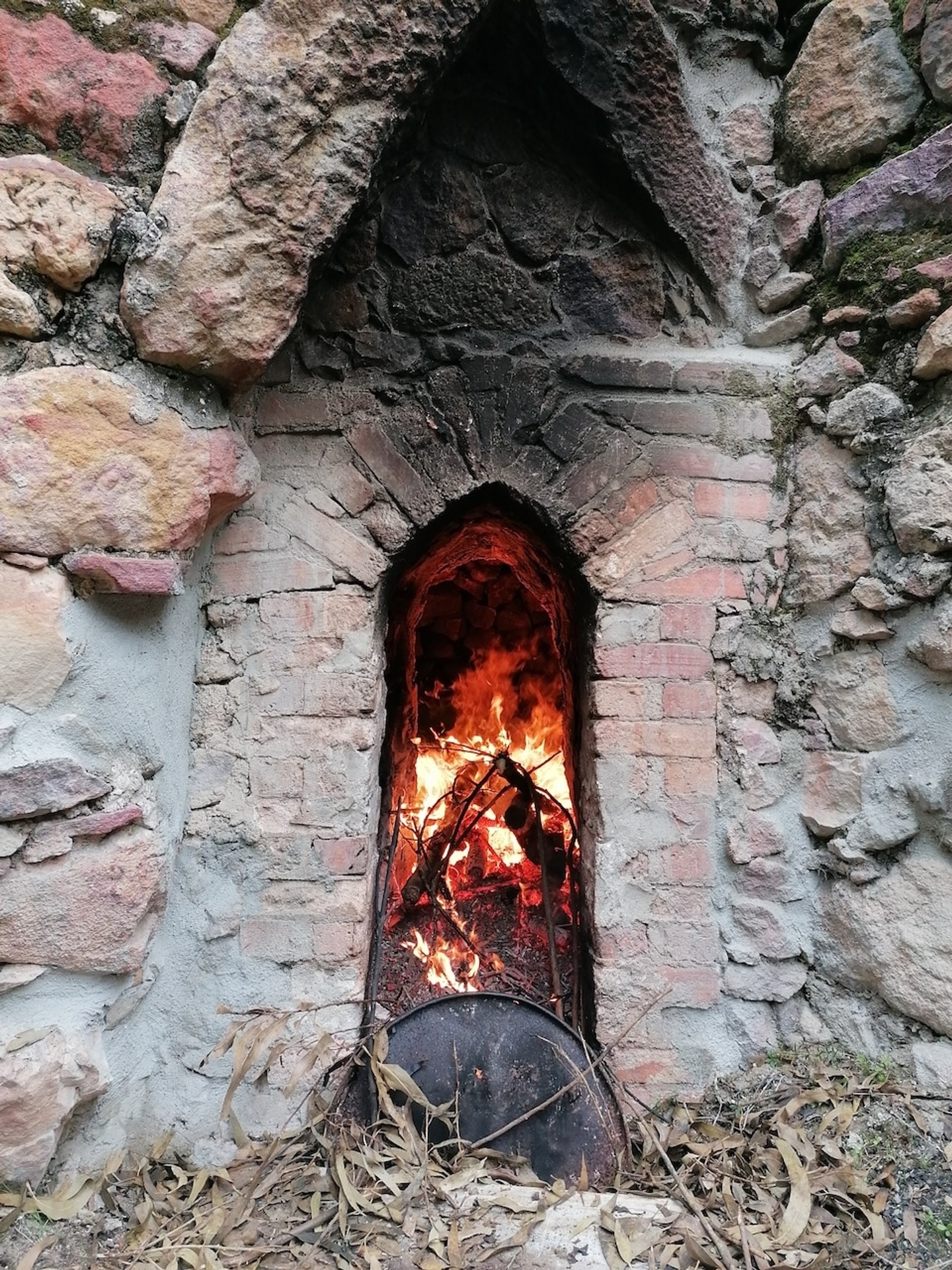
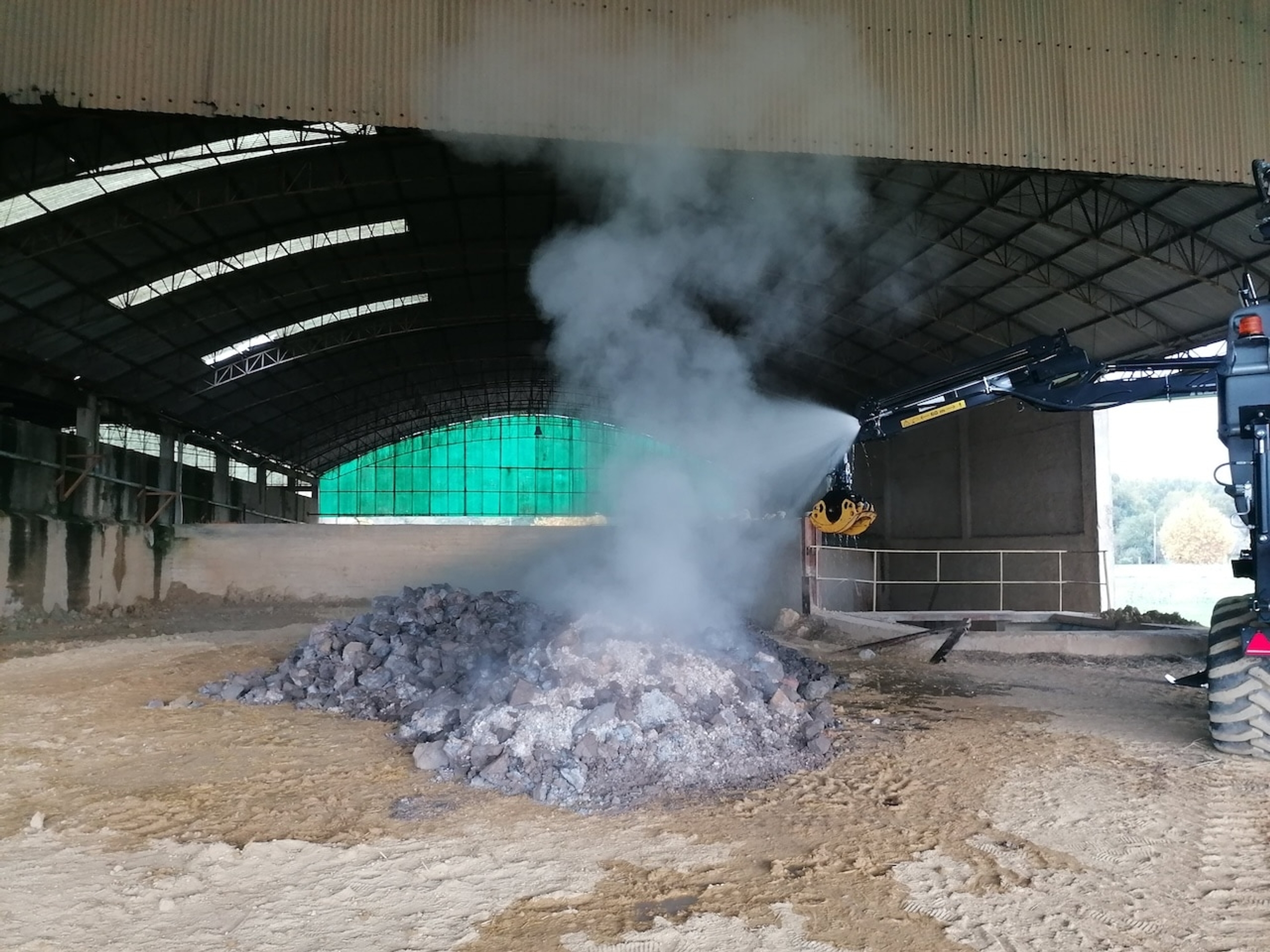
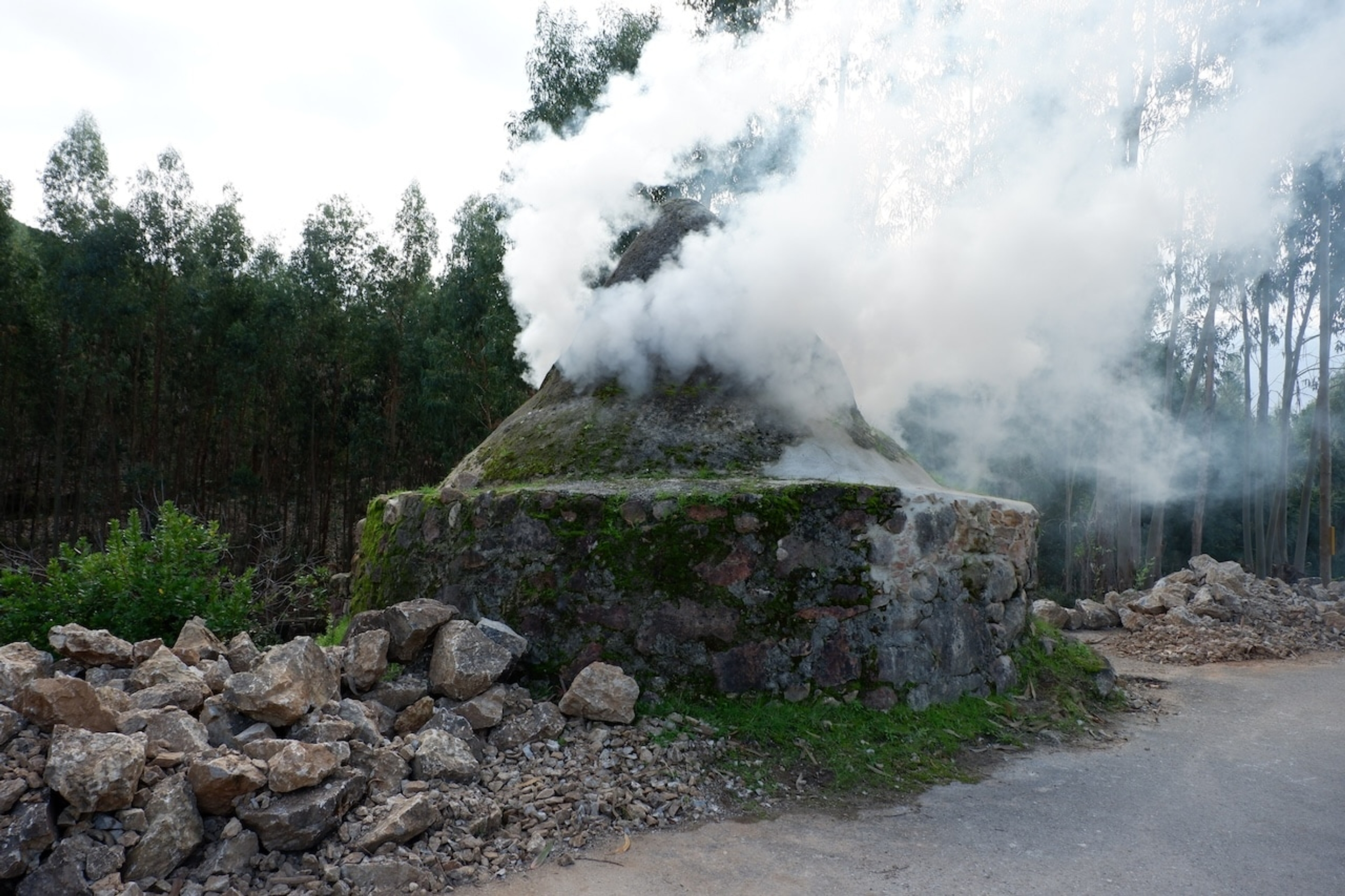
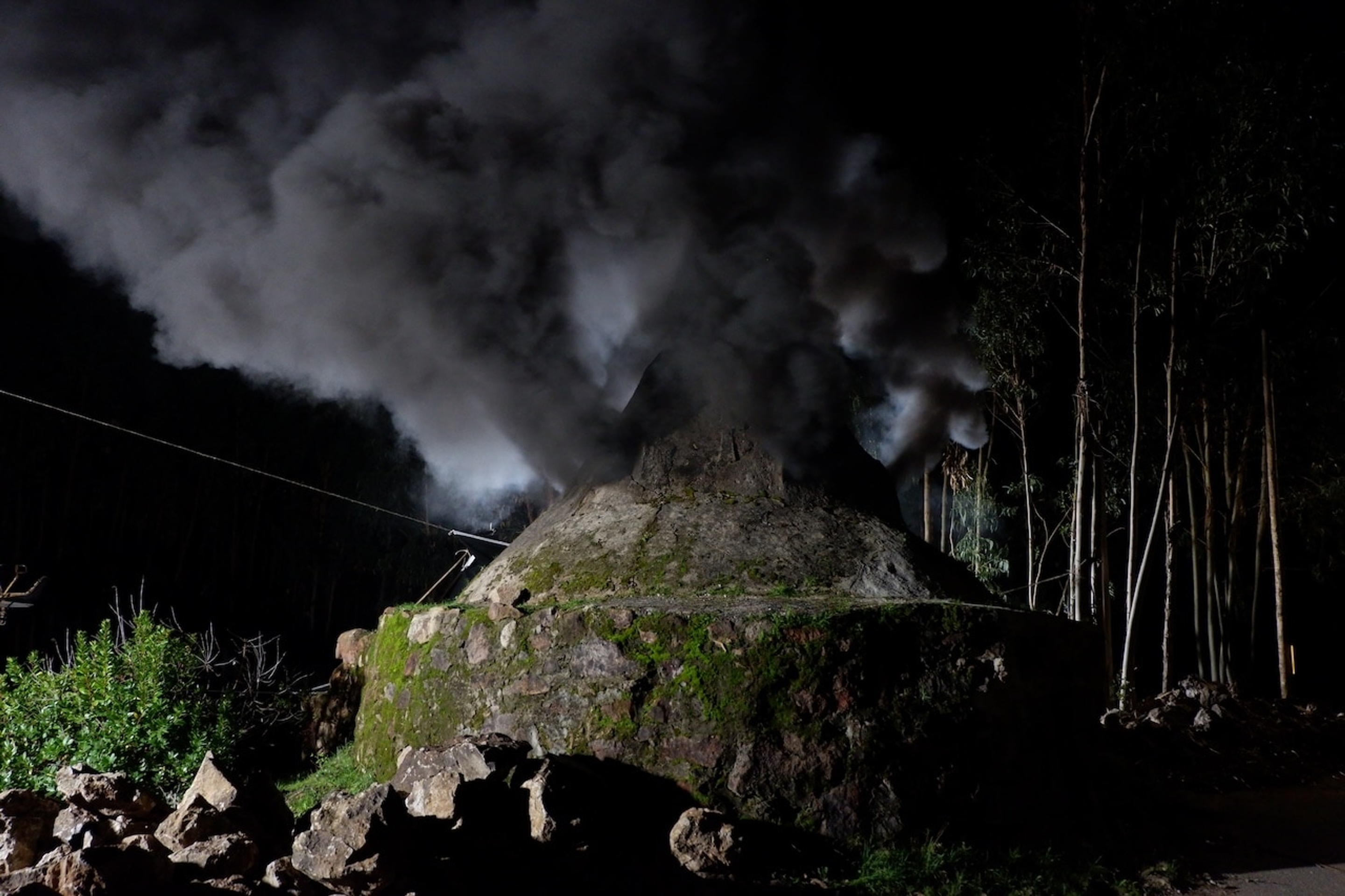
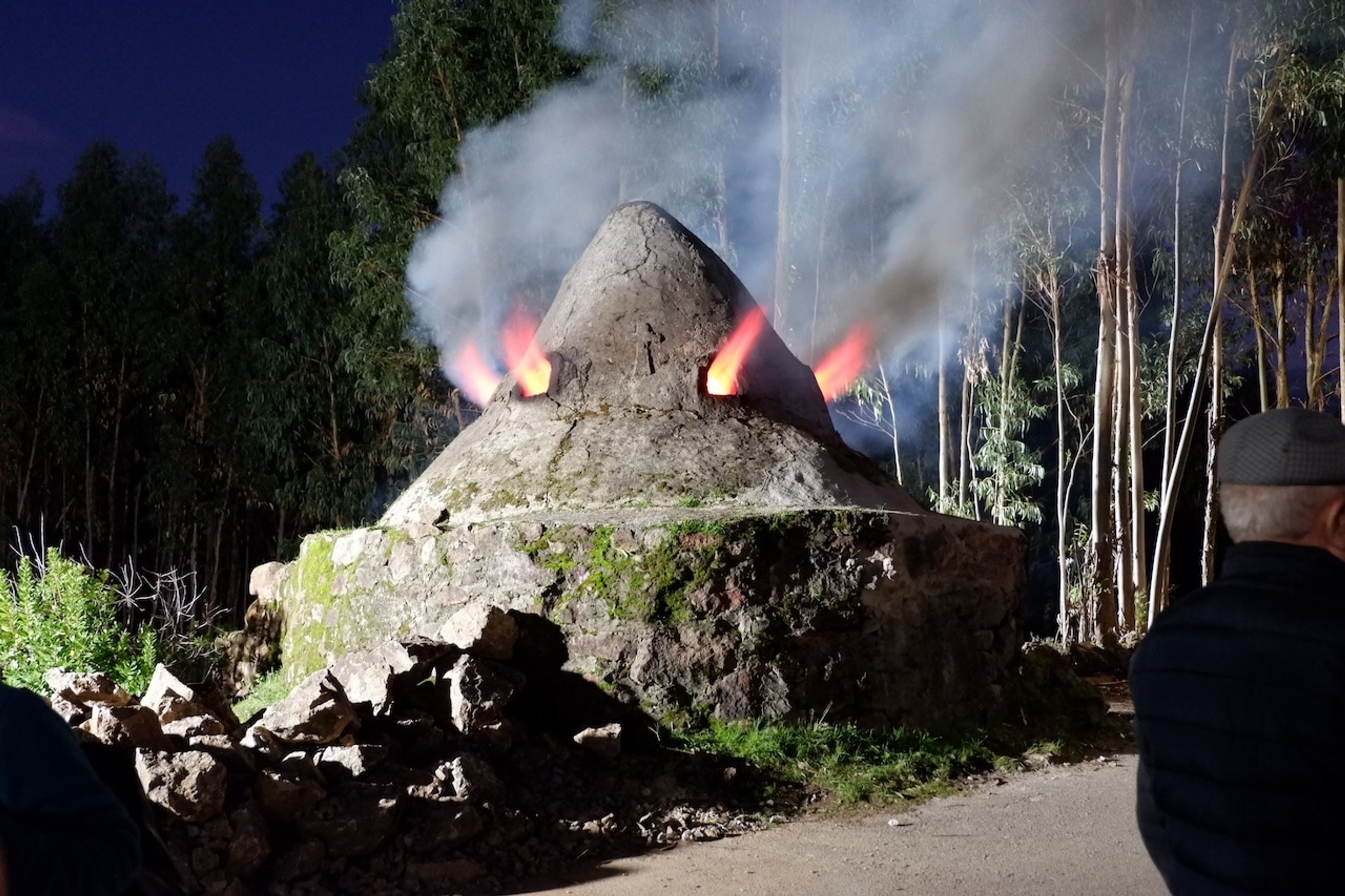
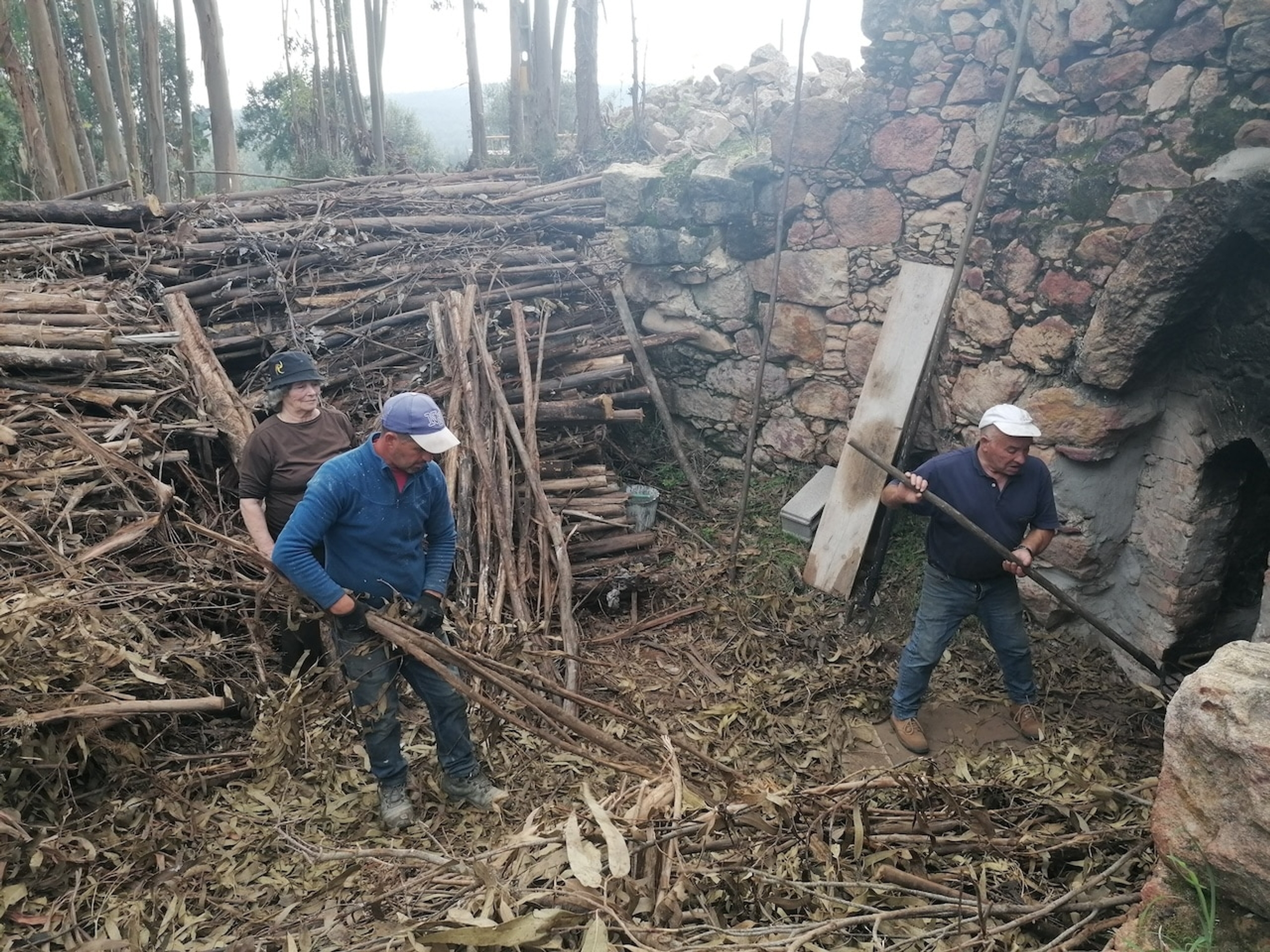
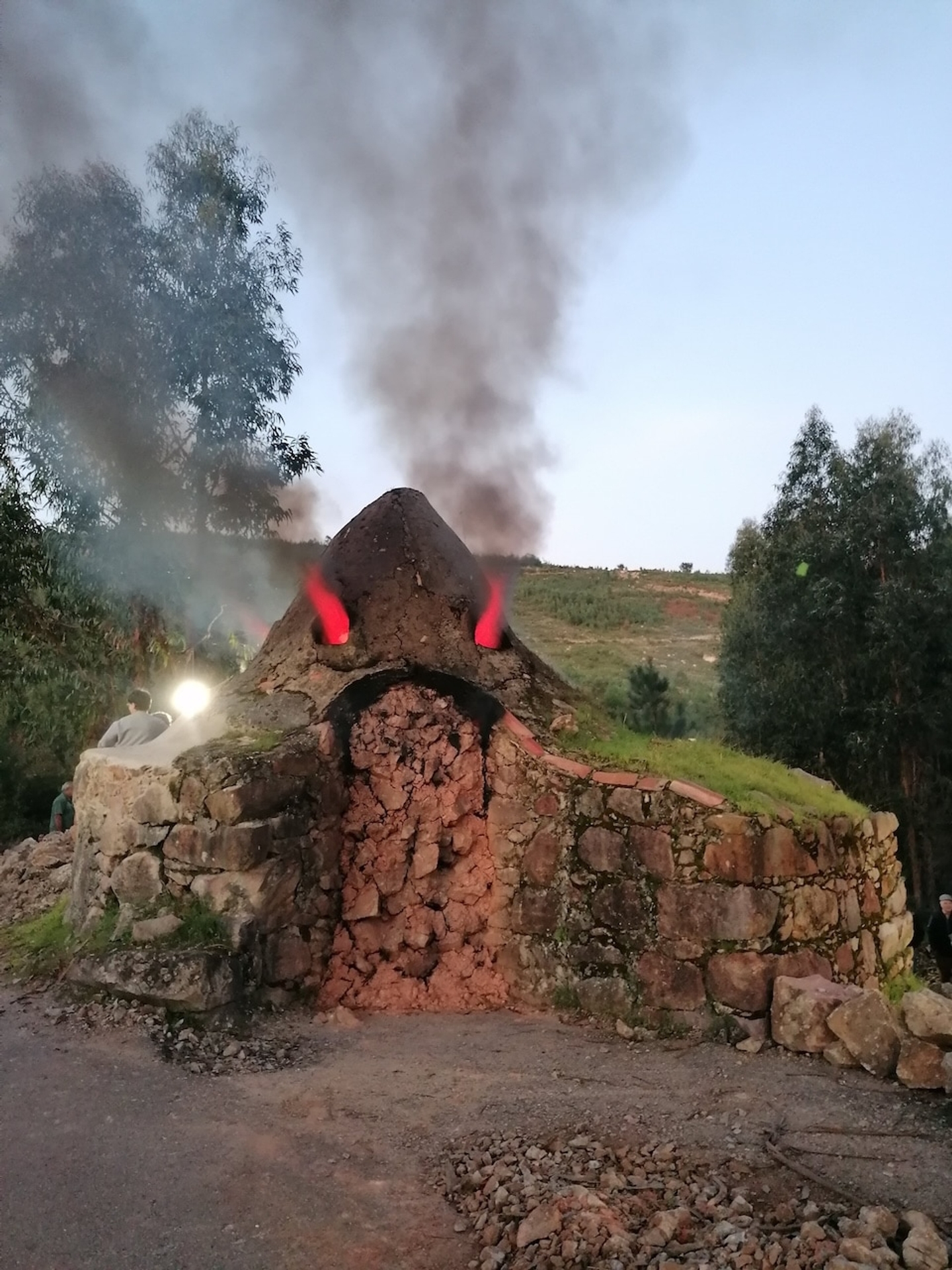
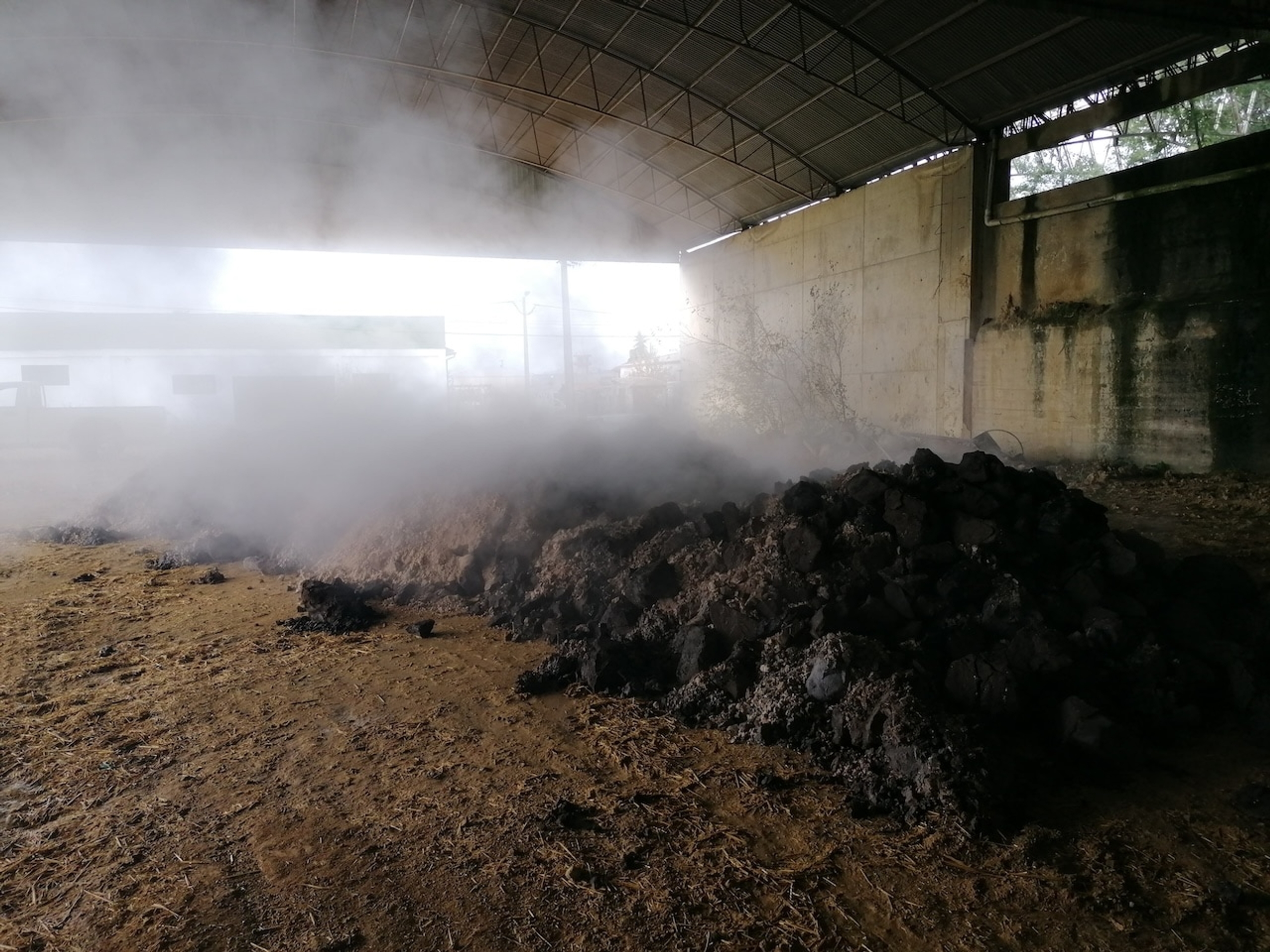
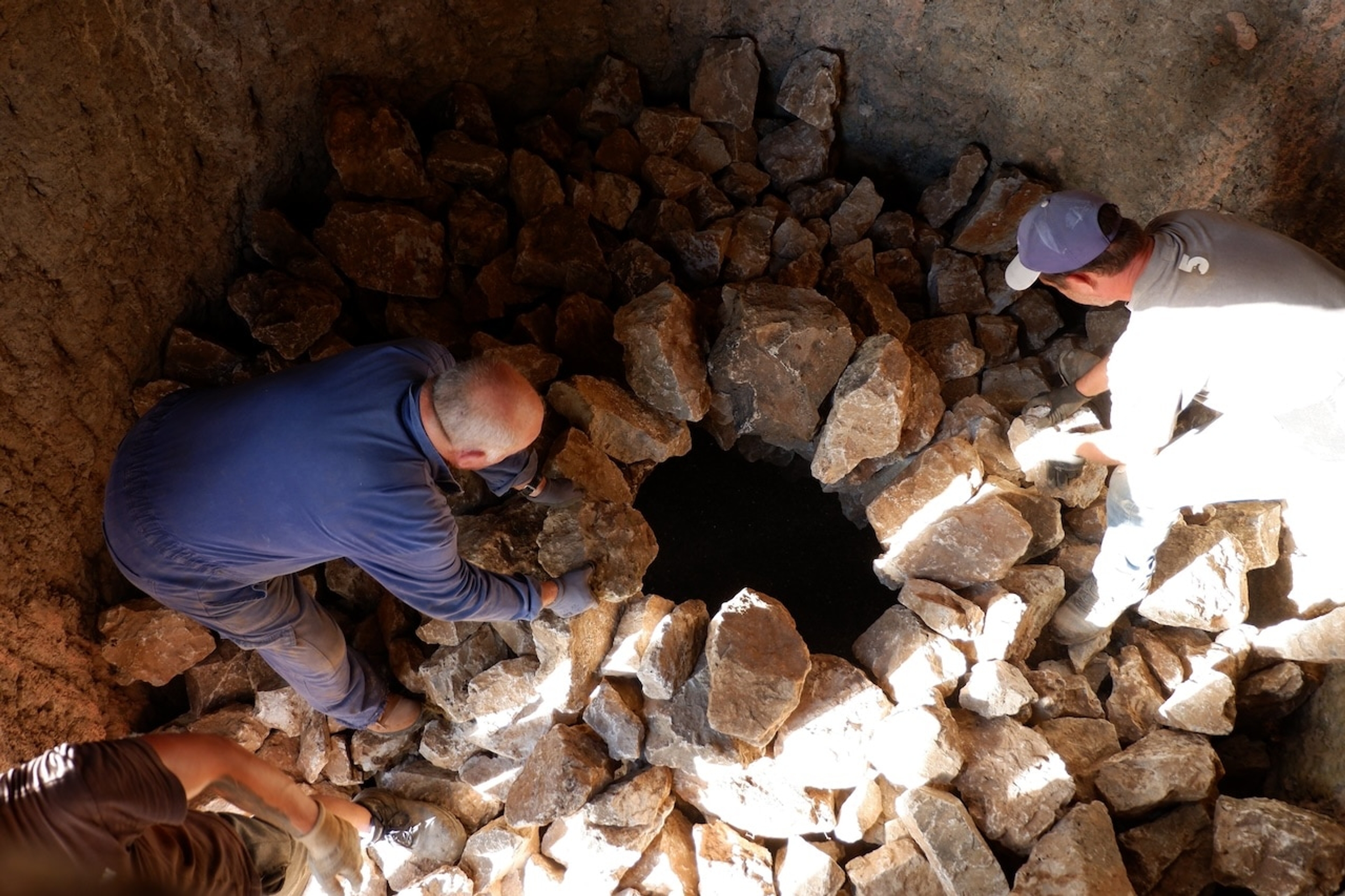
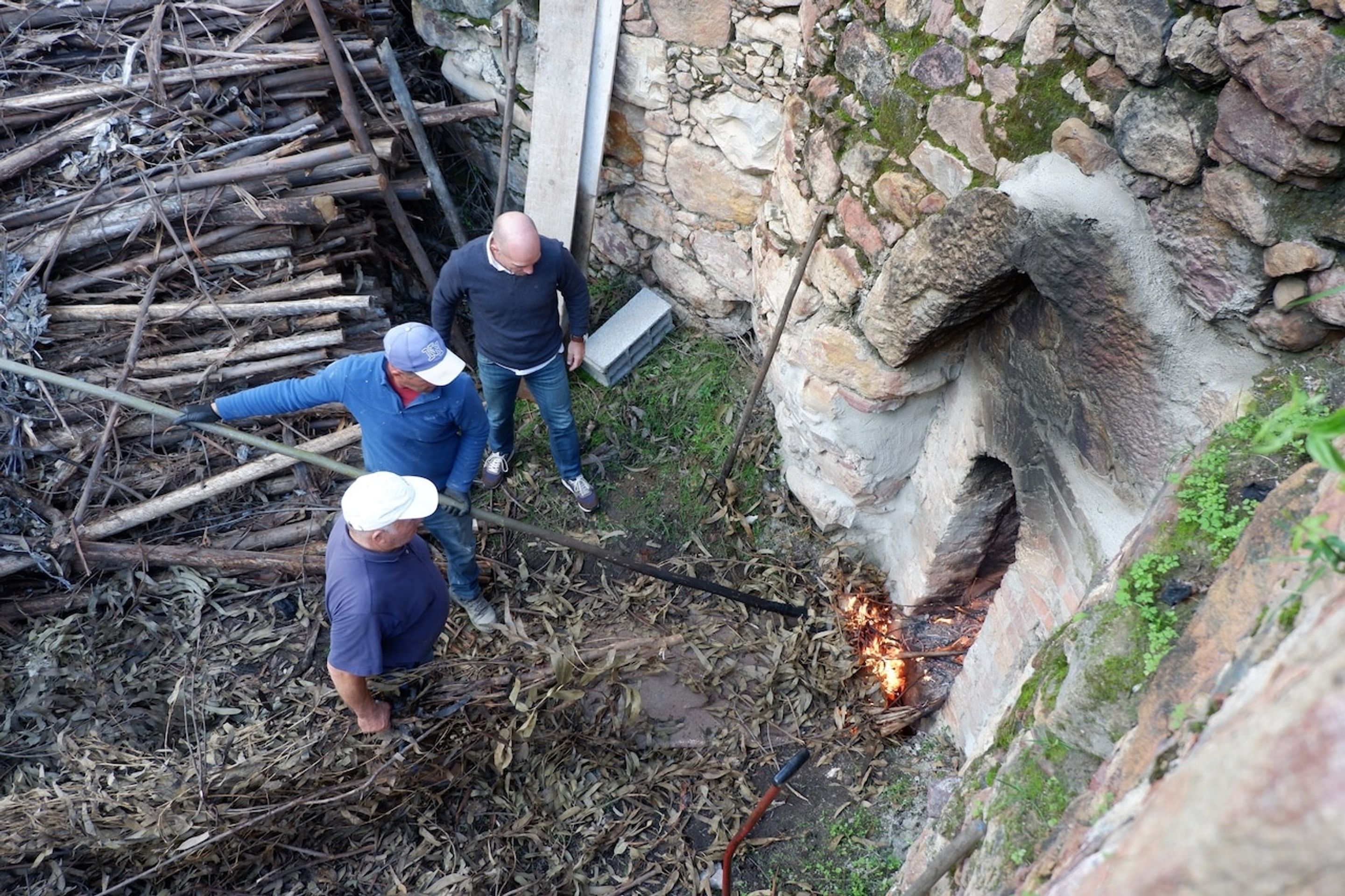
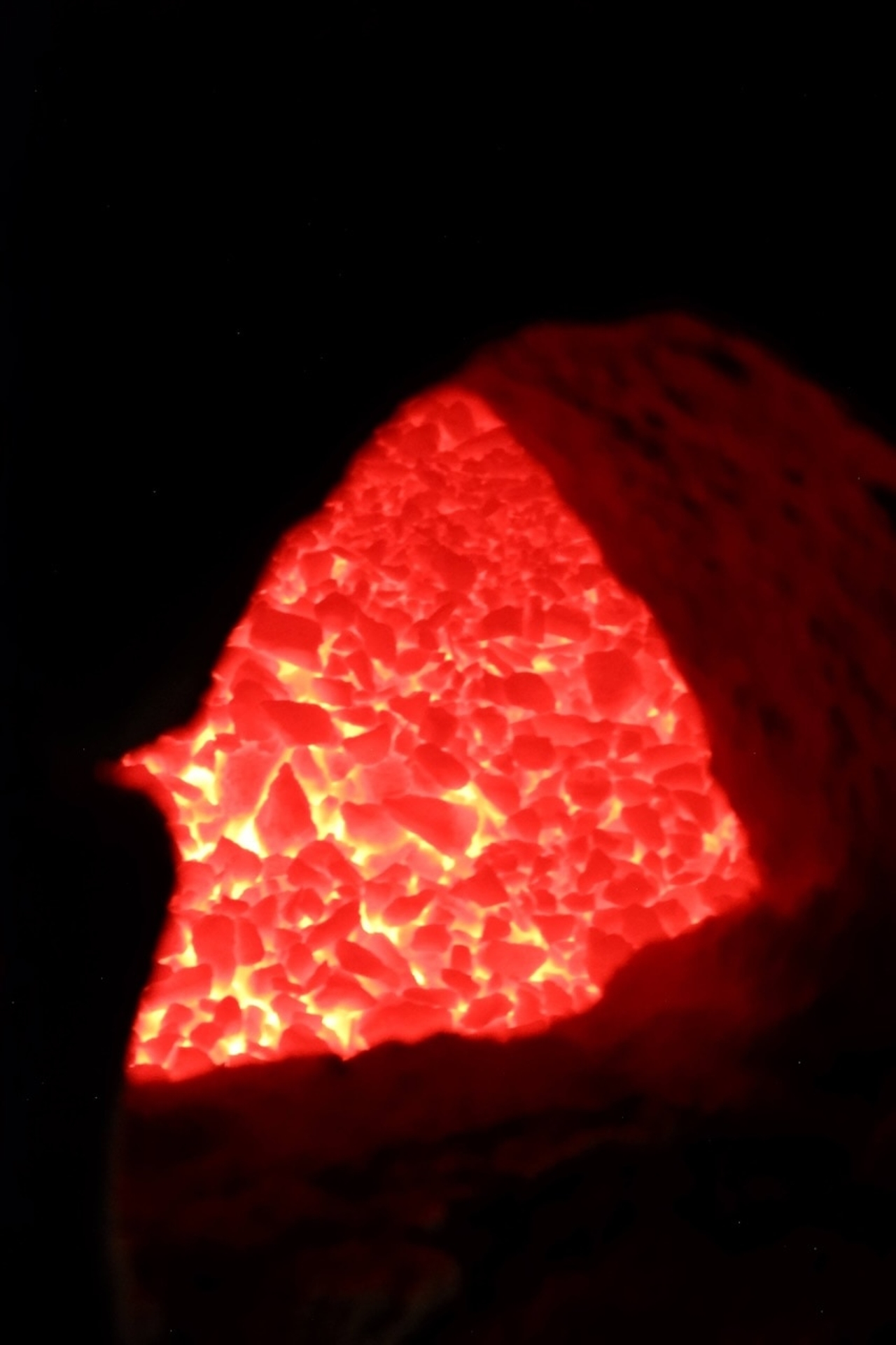
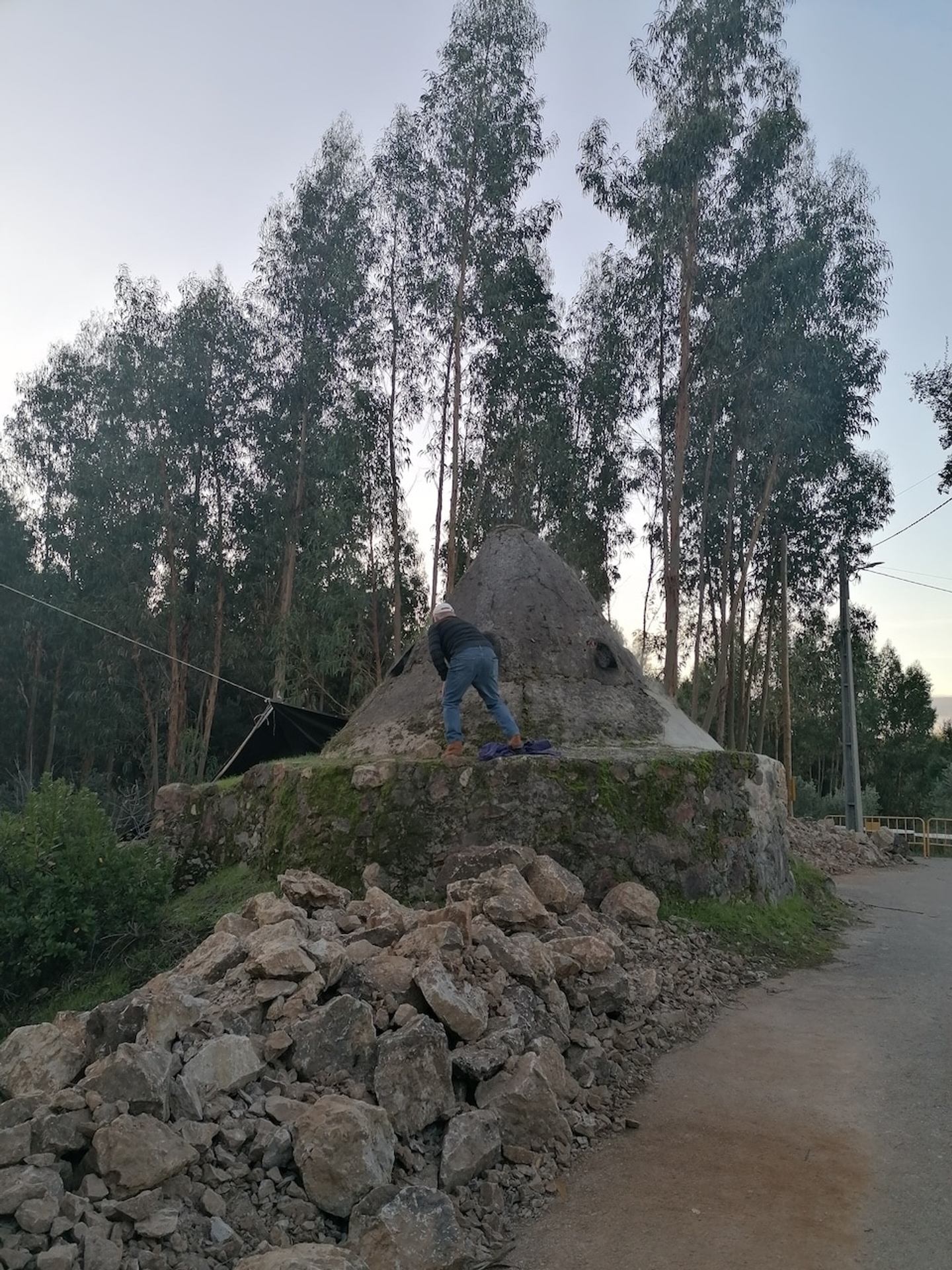
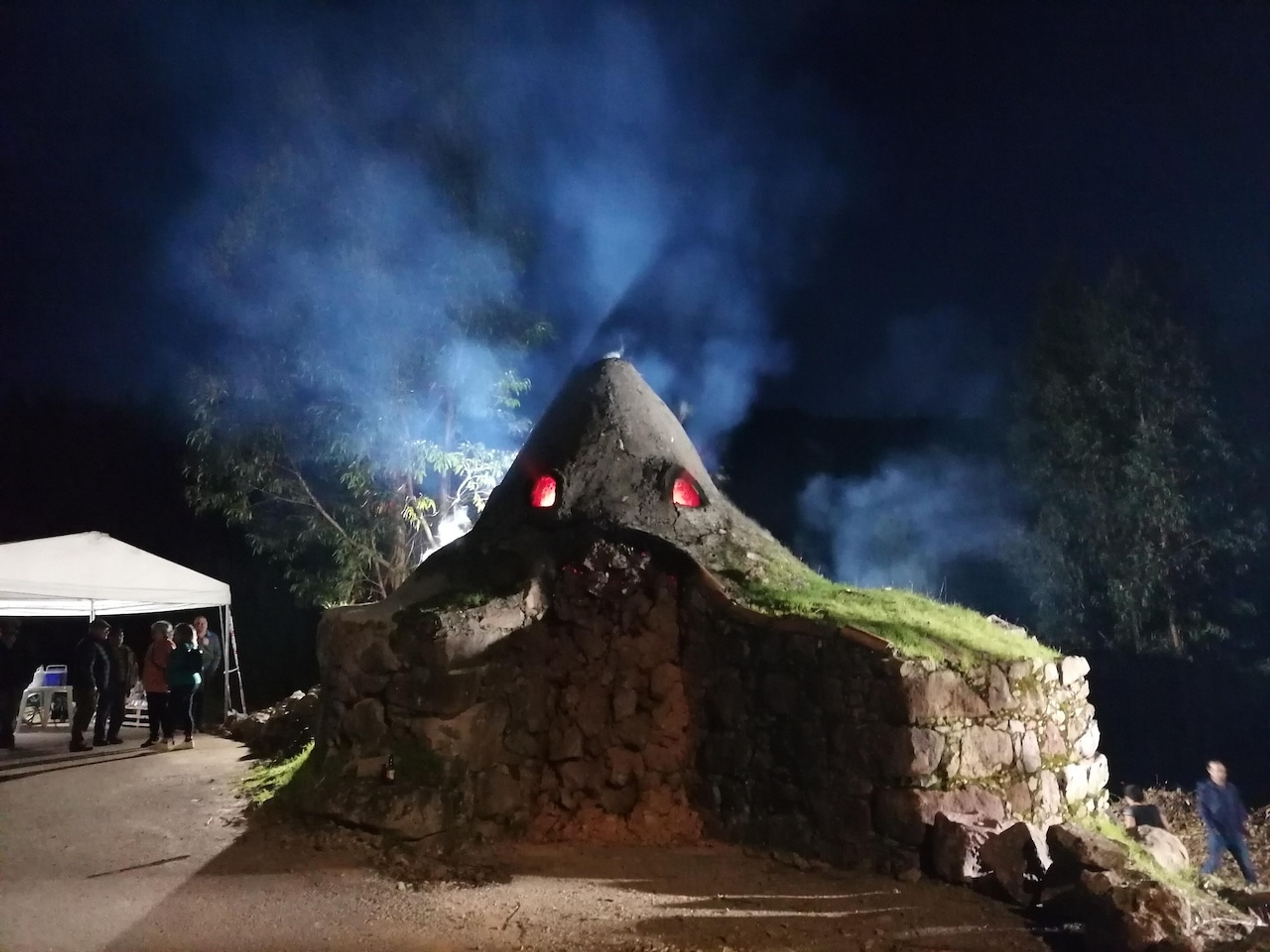
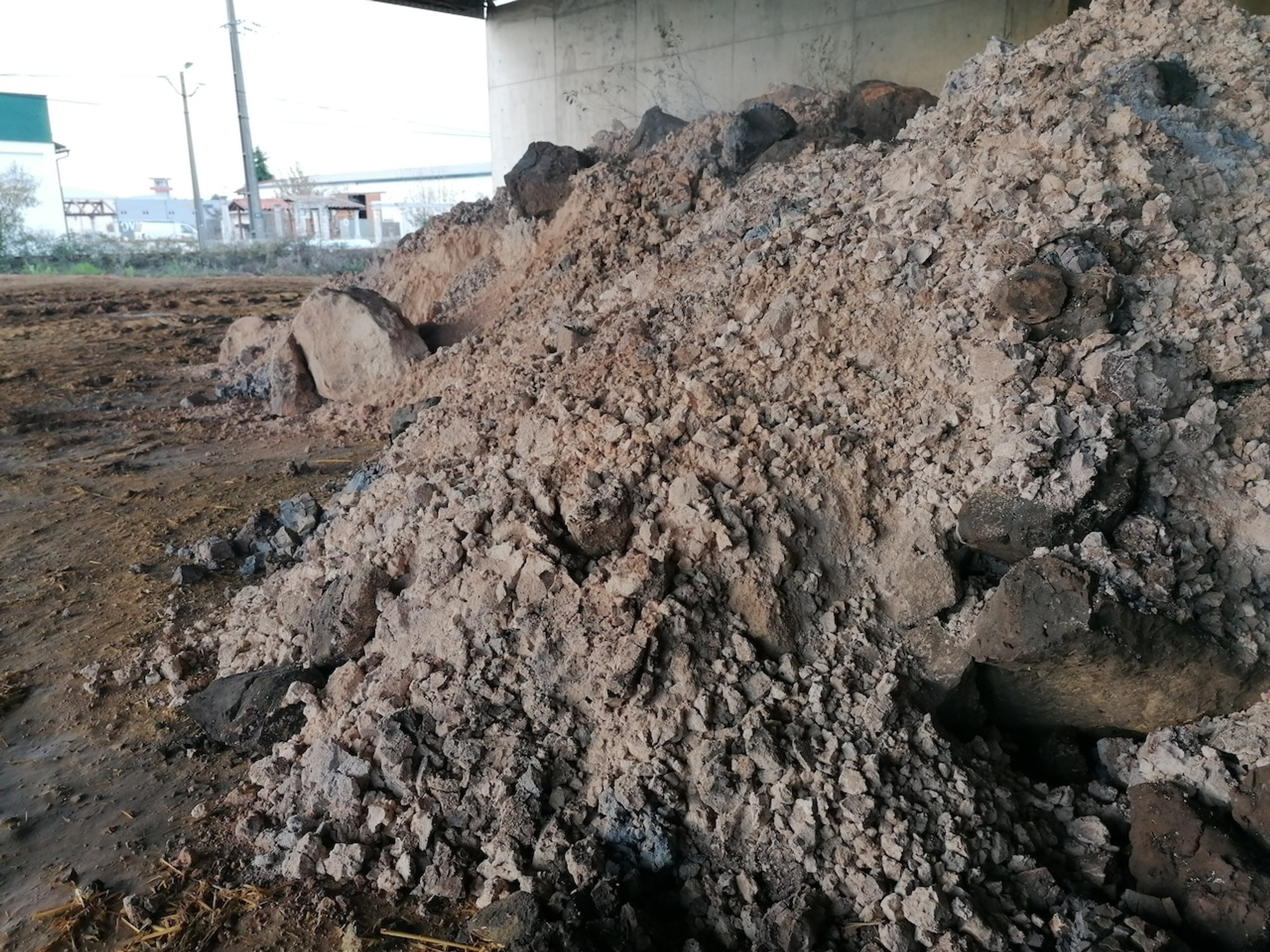
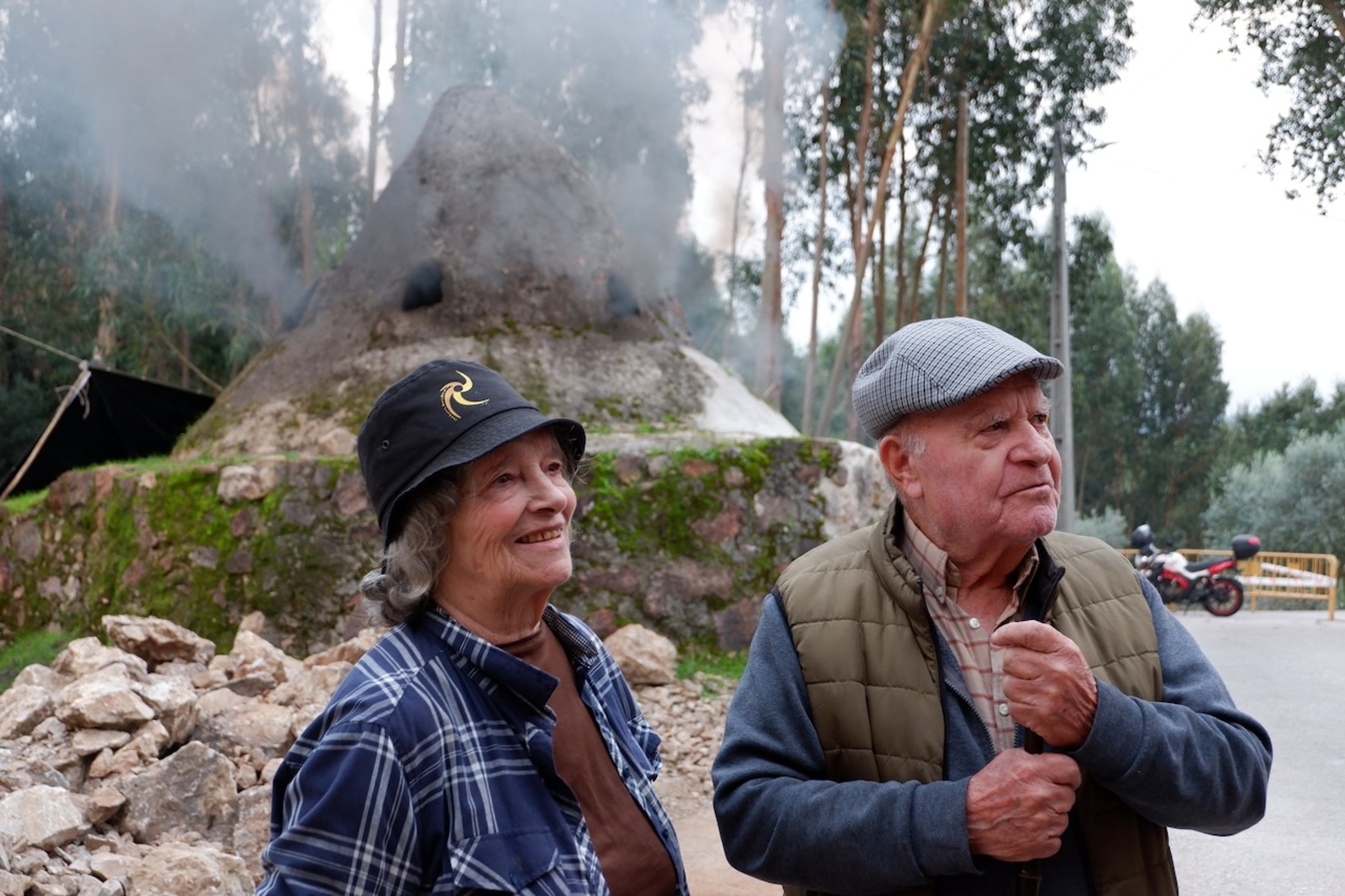
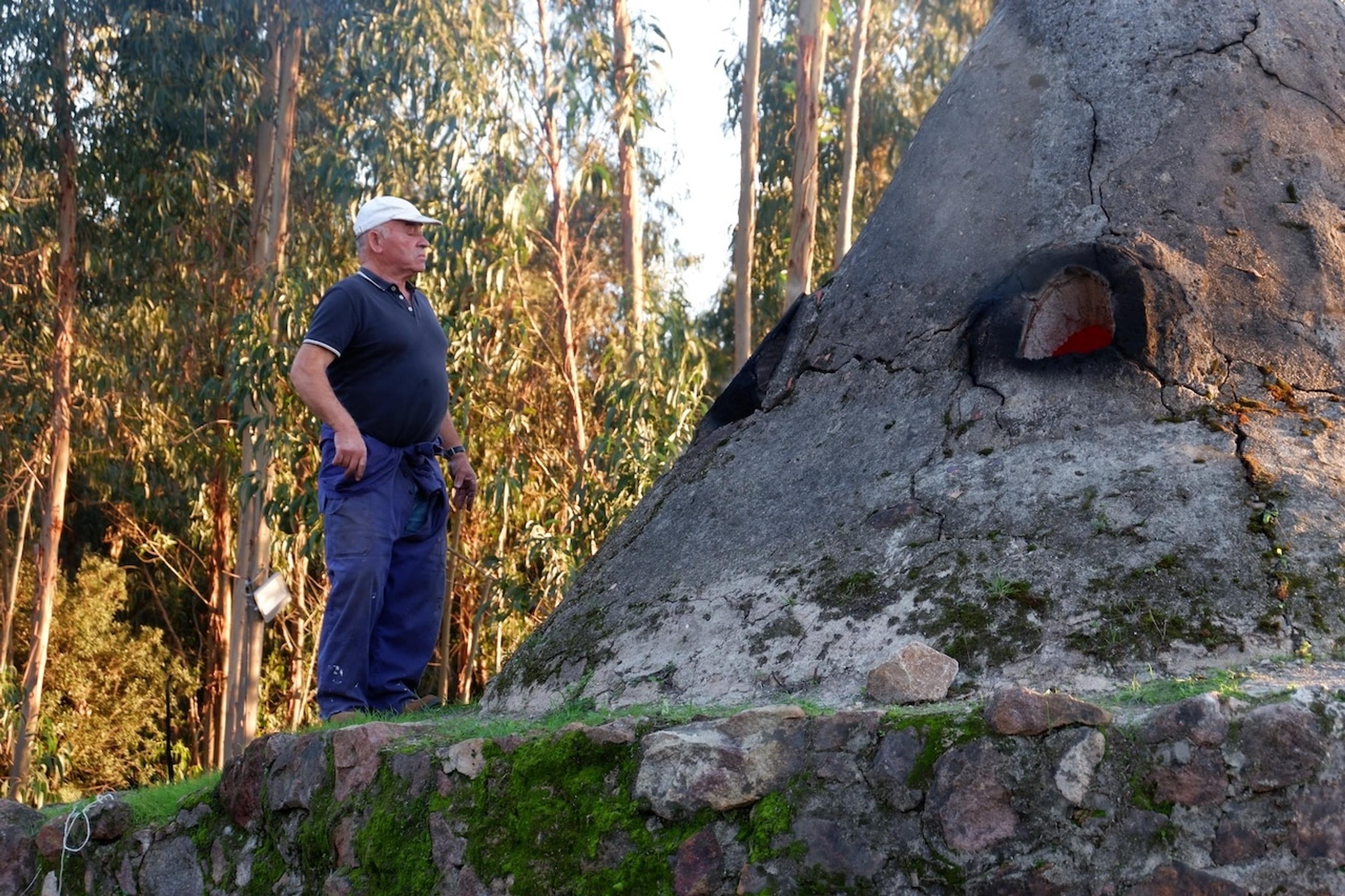
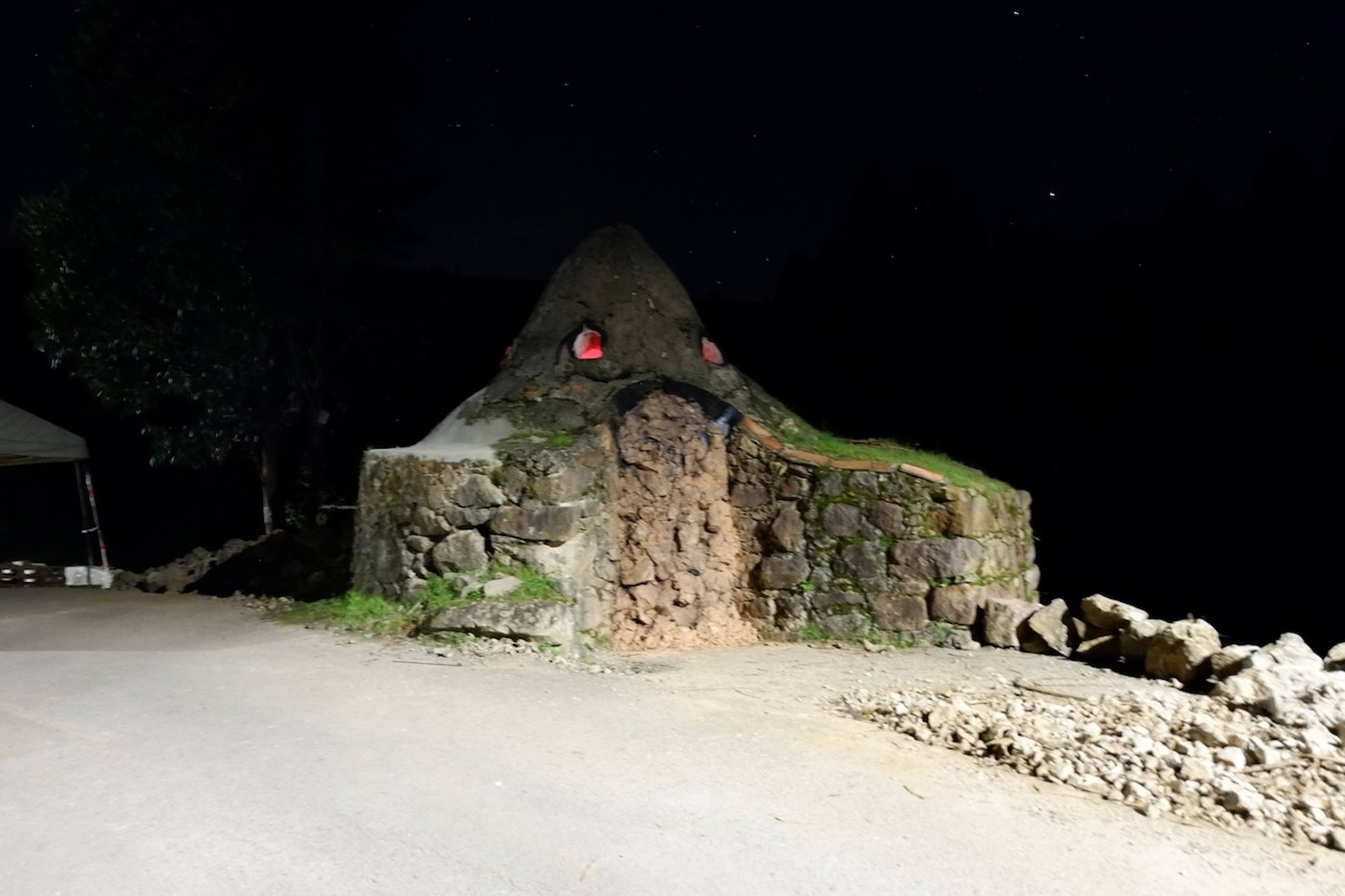
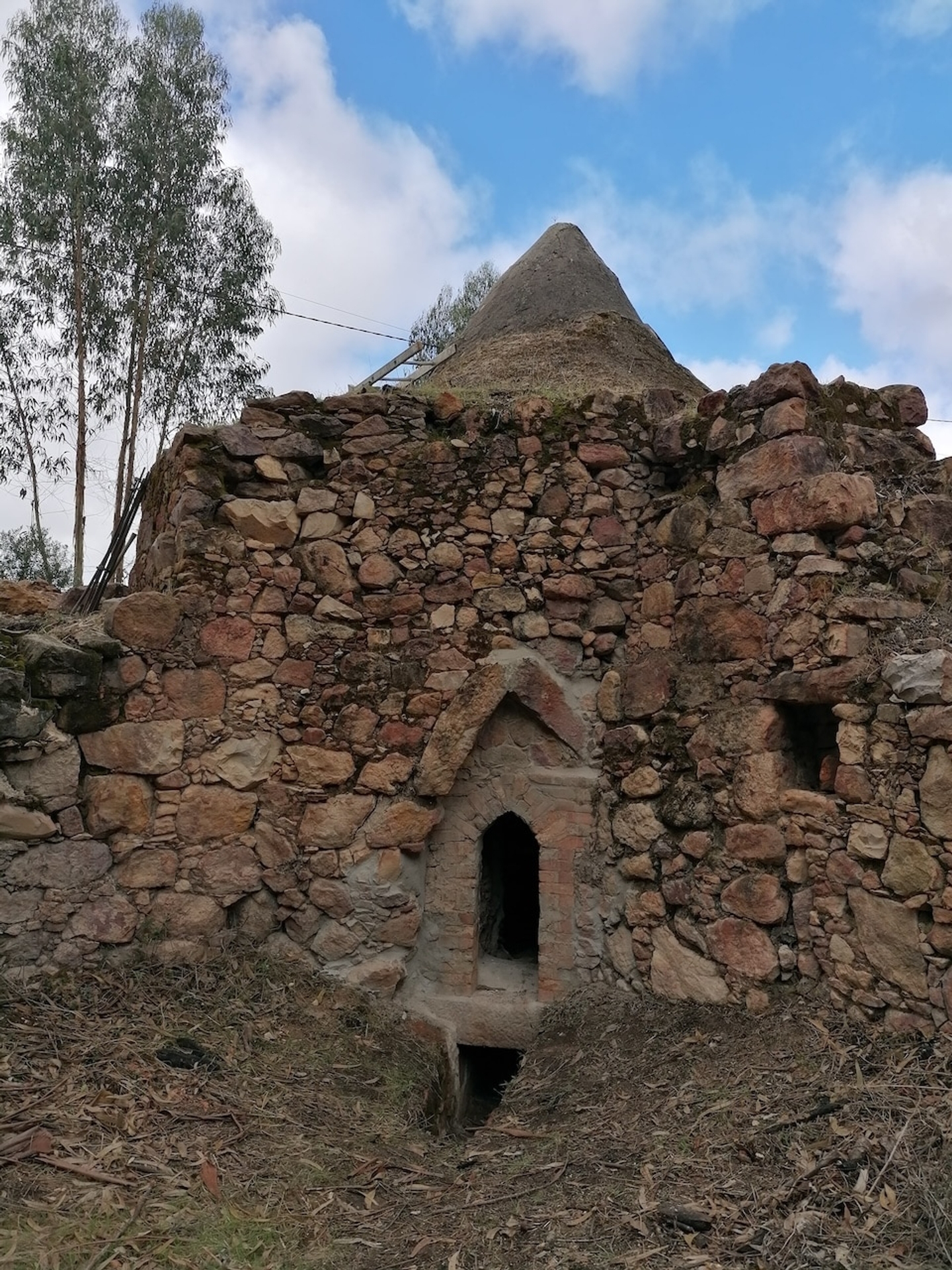
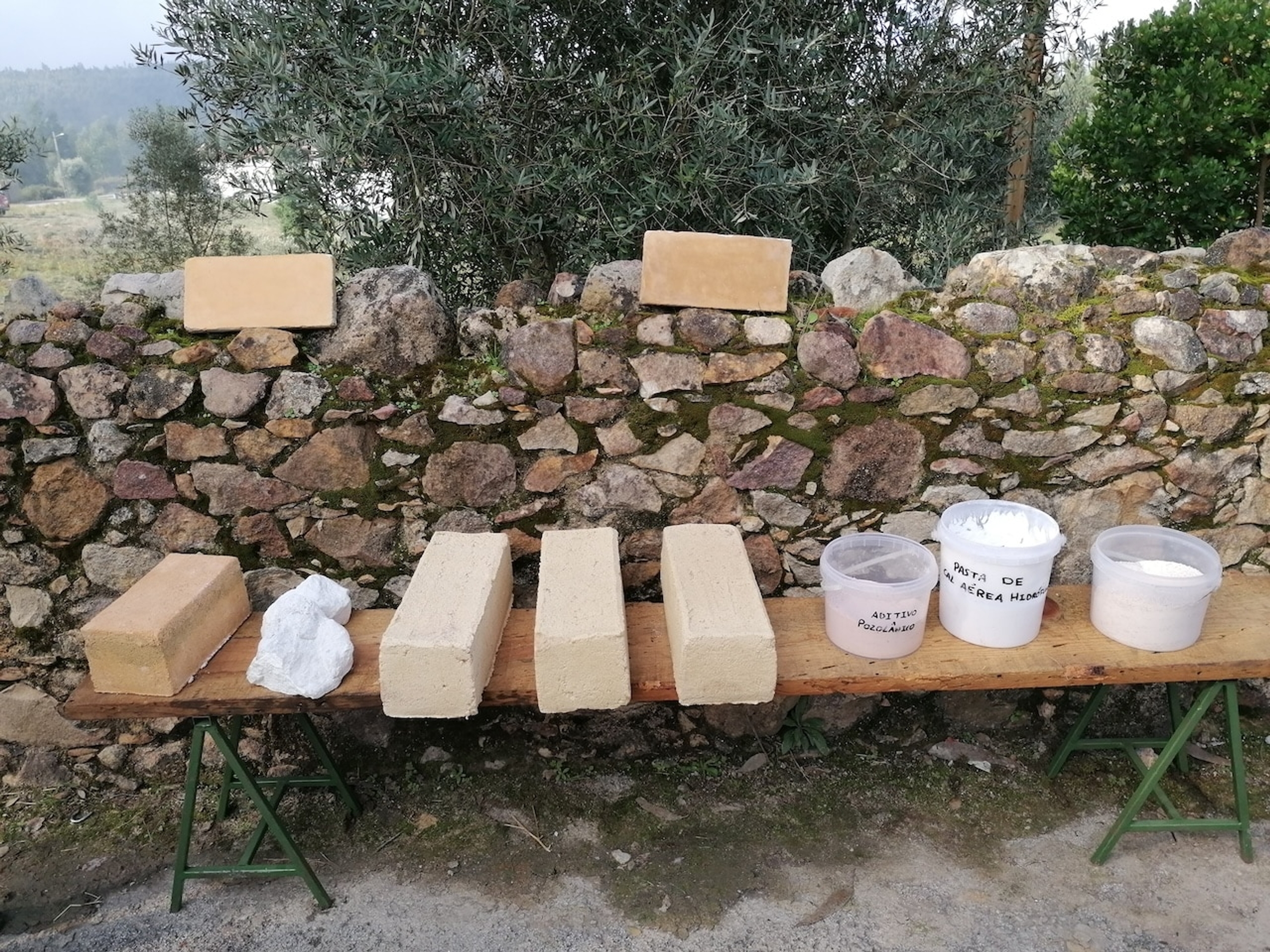
The Sobreirinho kiln represents the lime production process. Many locals still remember removing soil from the quarries in baskets on their heads to uncover the stone, which was then extracted and transported here by carts.
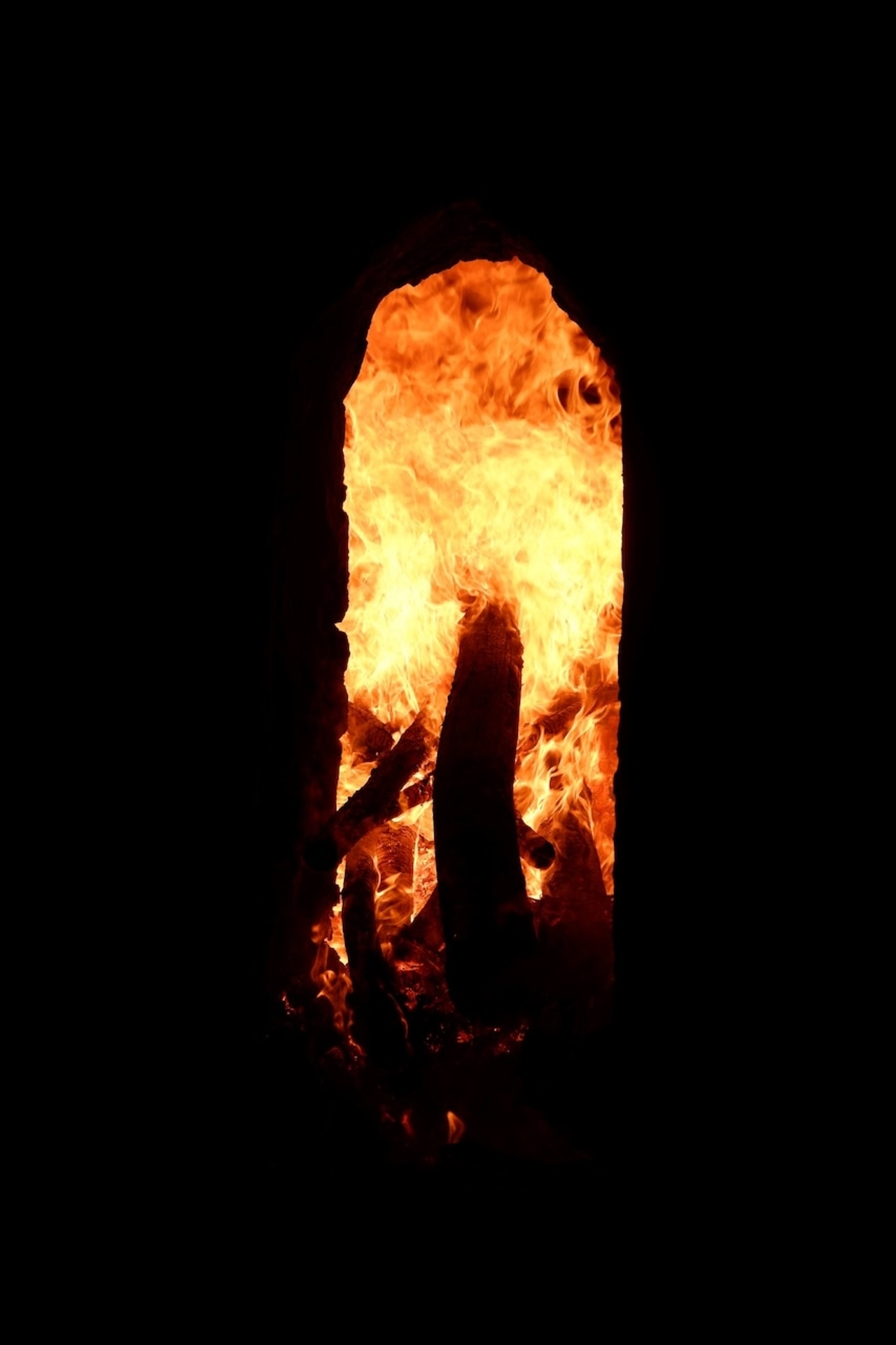
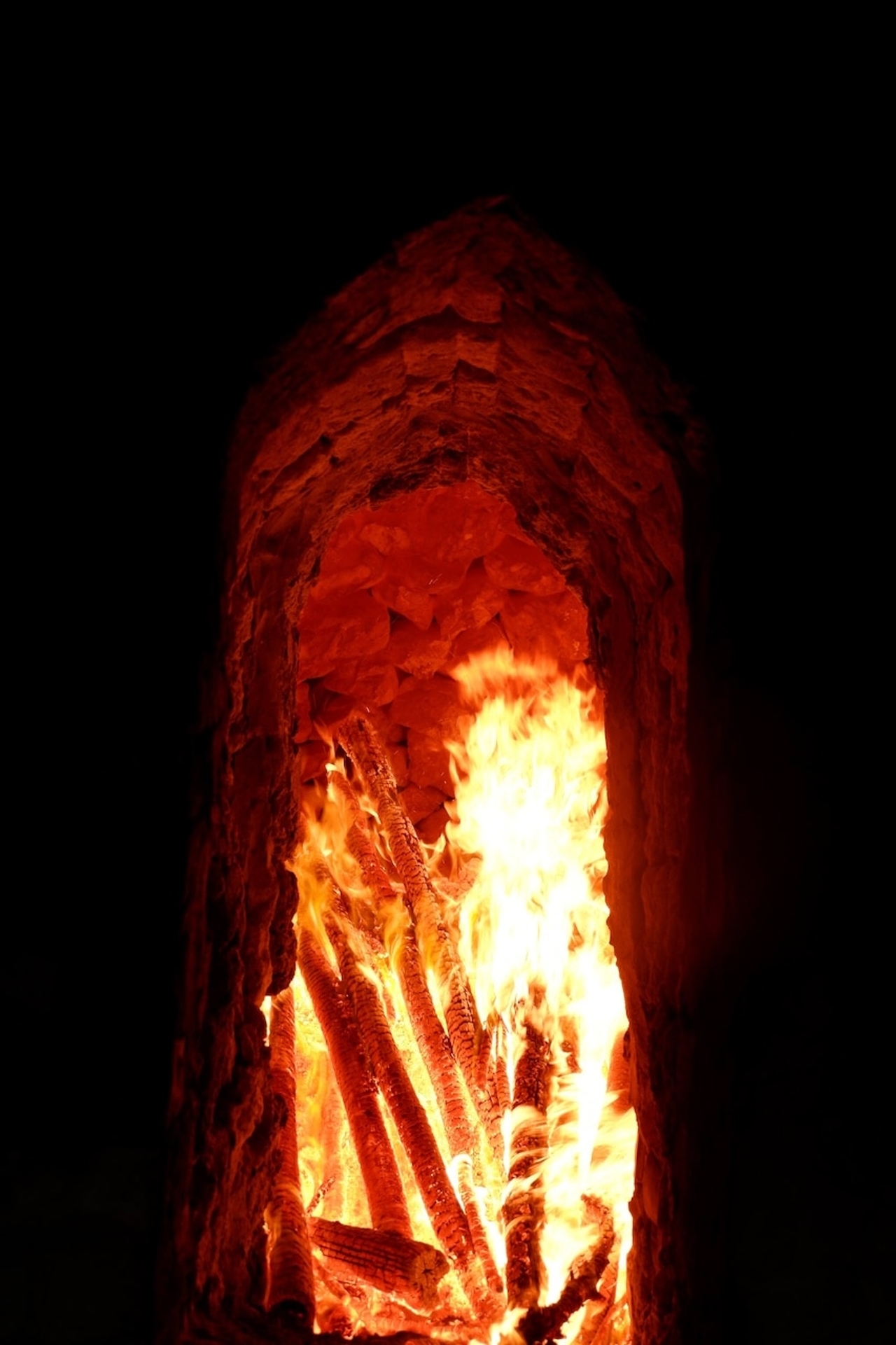
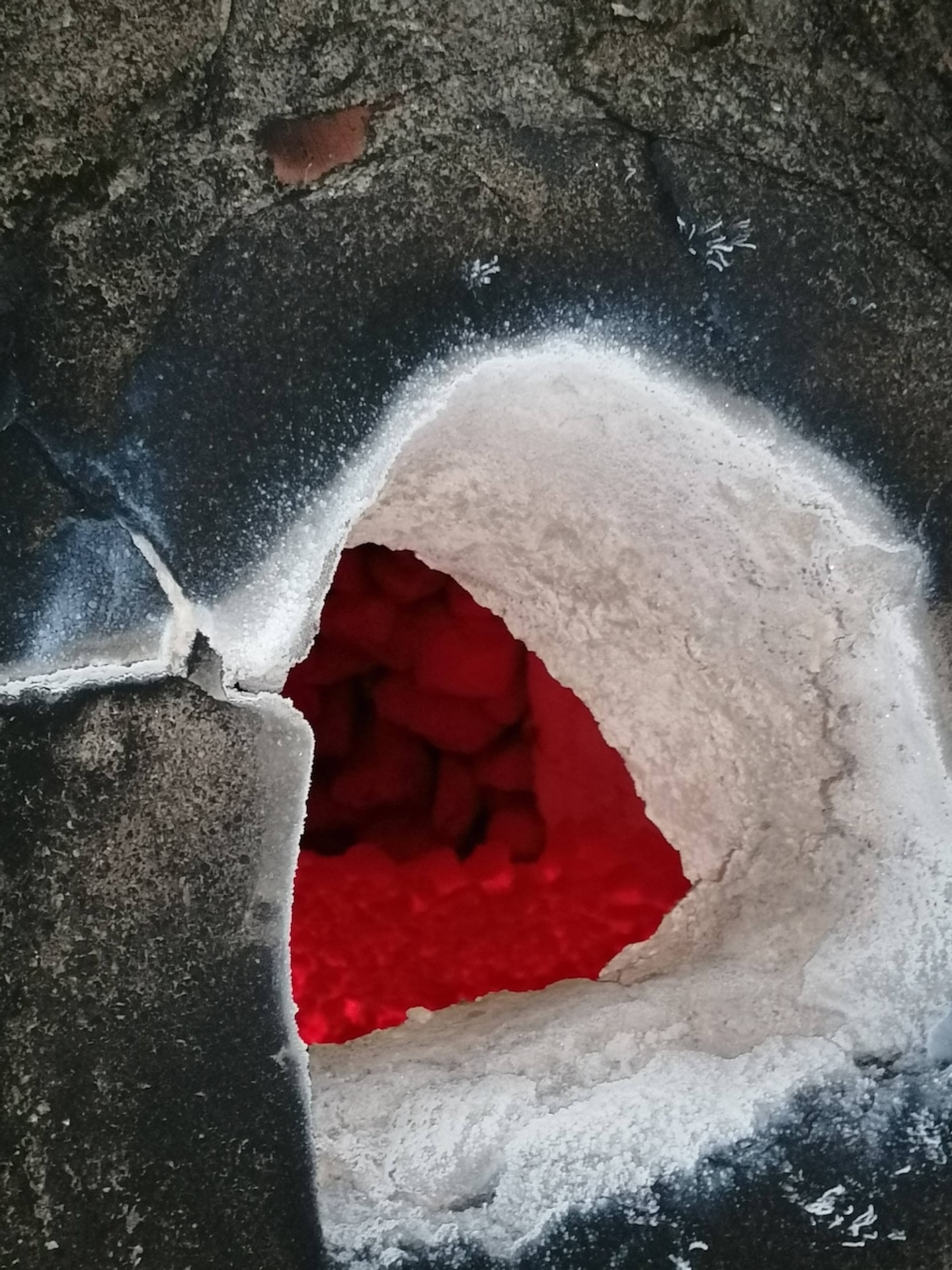
The stones were stacked in a “dome” shape, and then the fire was lit using brushwood/wood, which had to burn day and night. Through this firing process, the rock was calcined and turned to lime.
In this kiln they produced brown lime that was used in construction and agriculture.
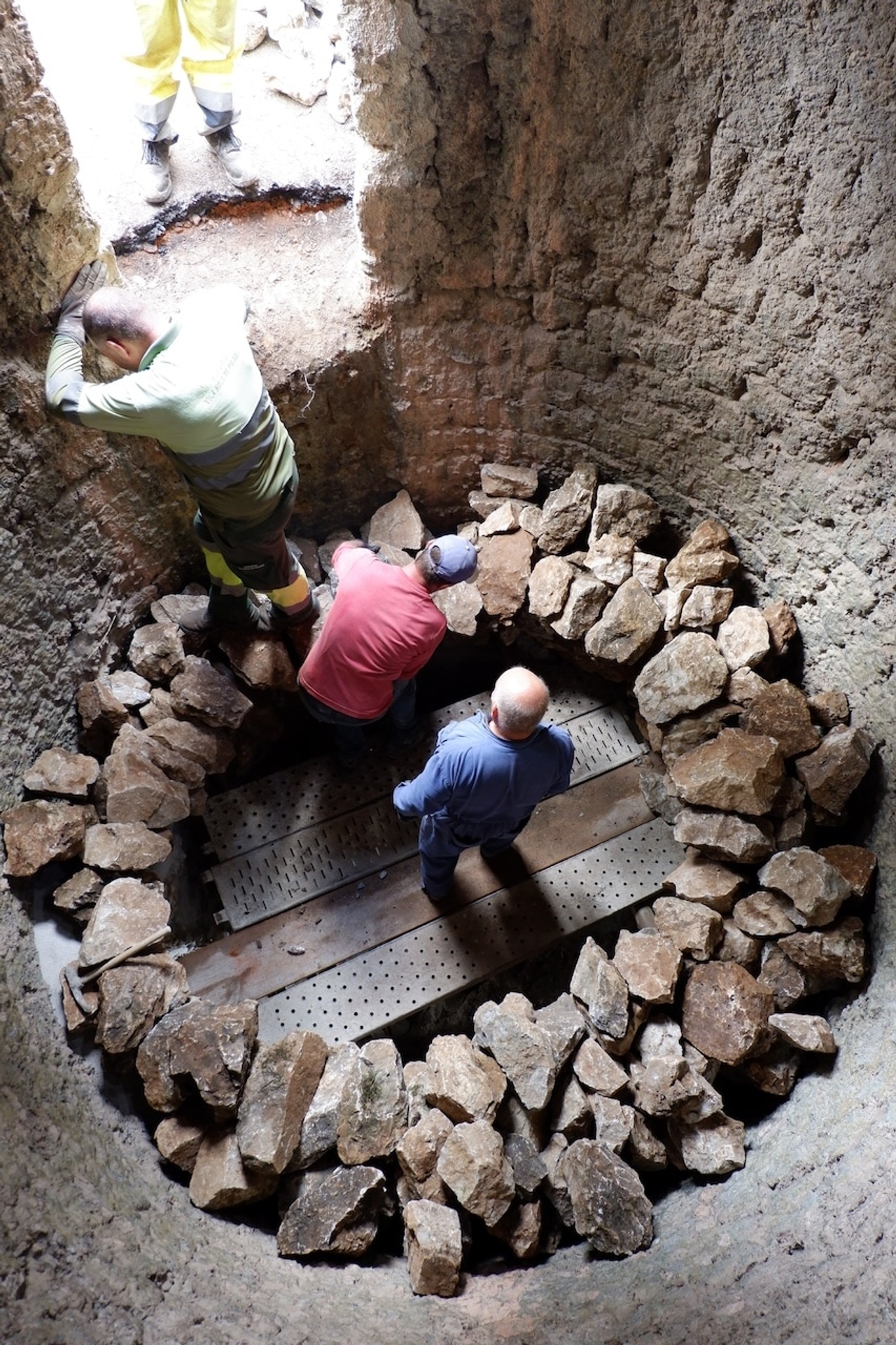
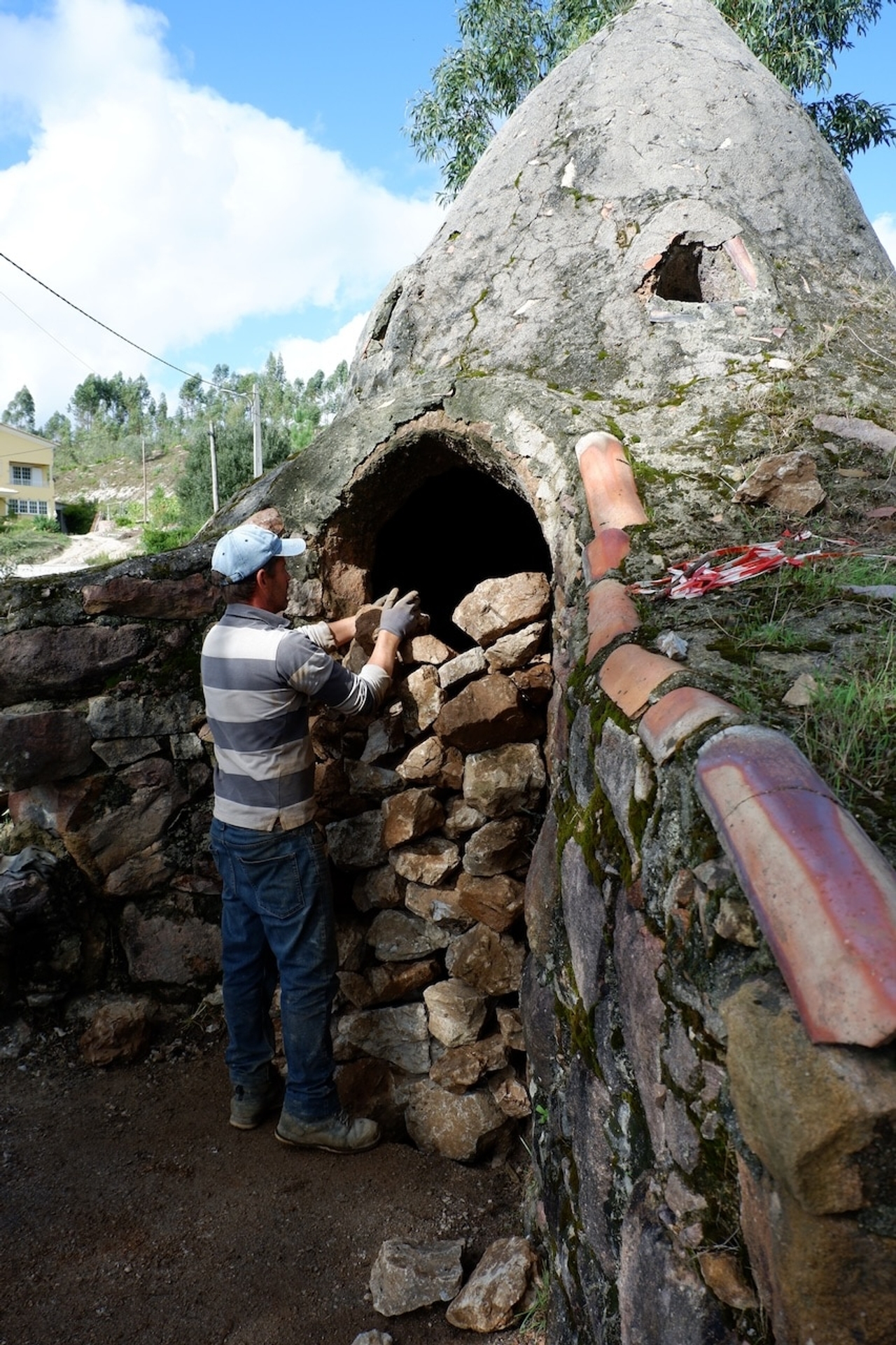
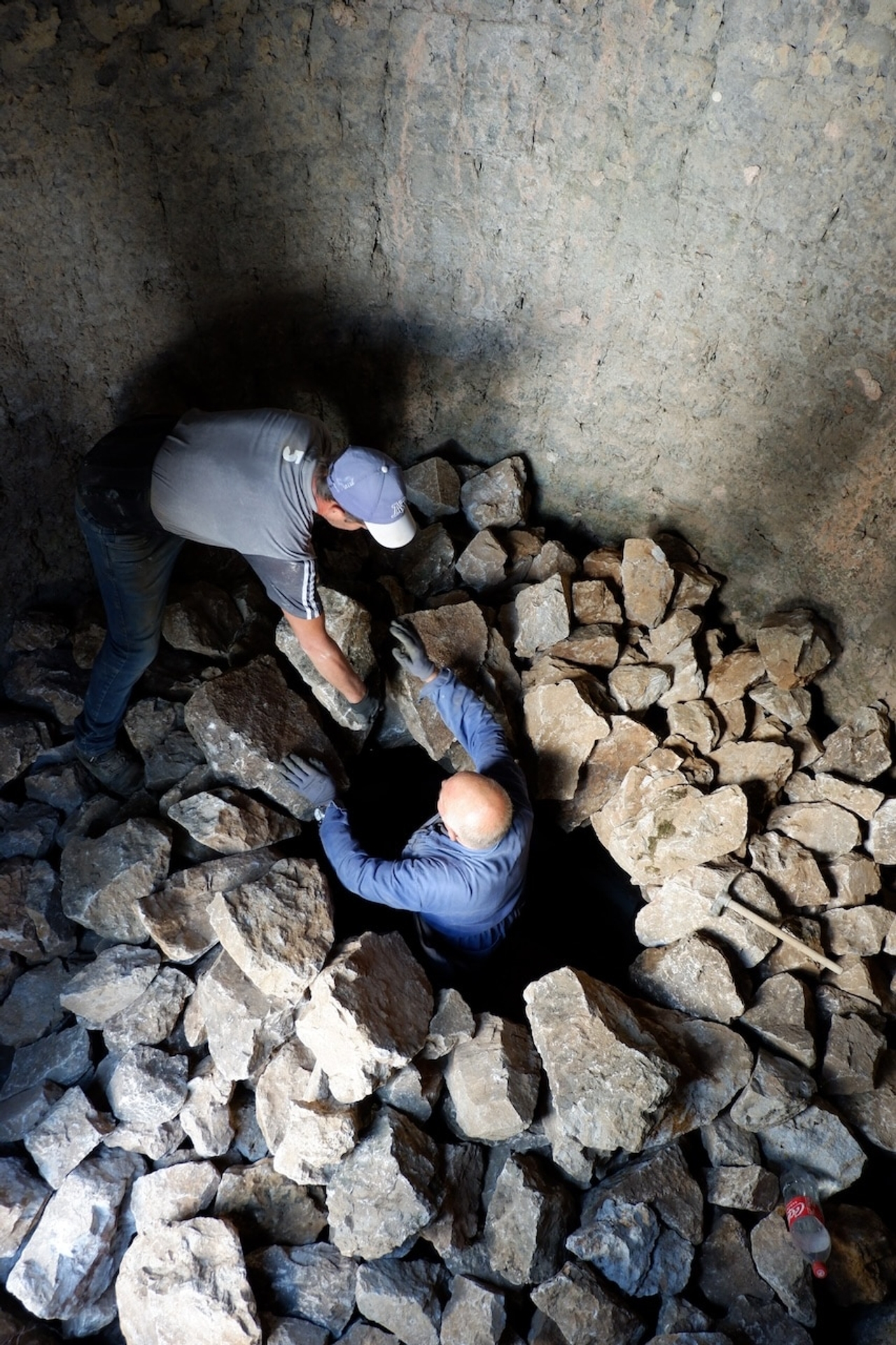
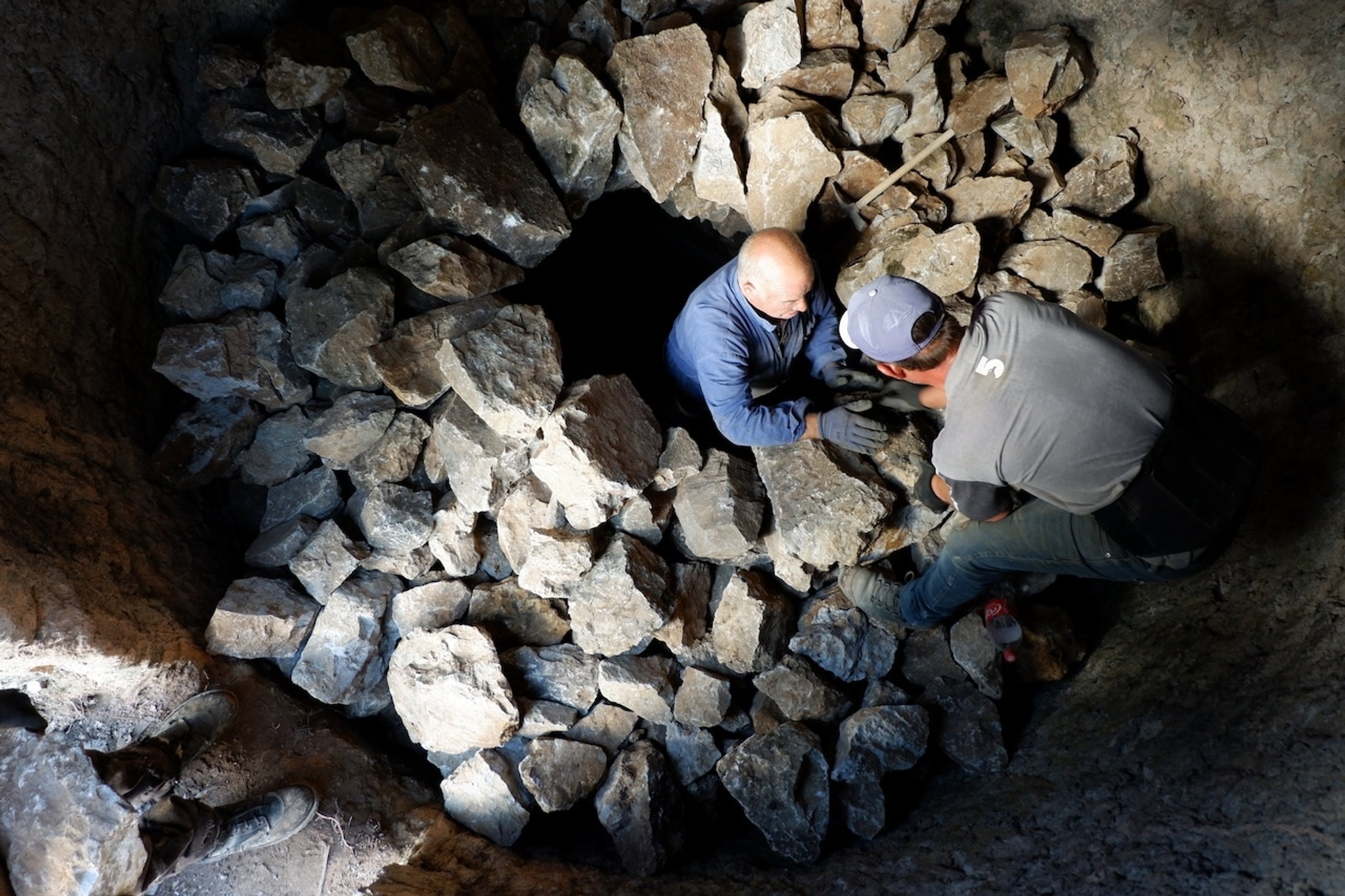
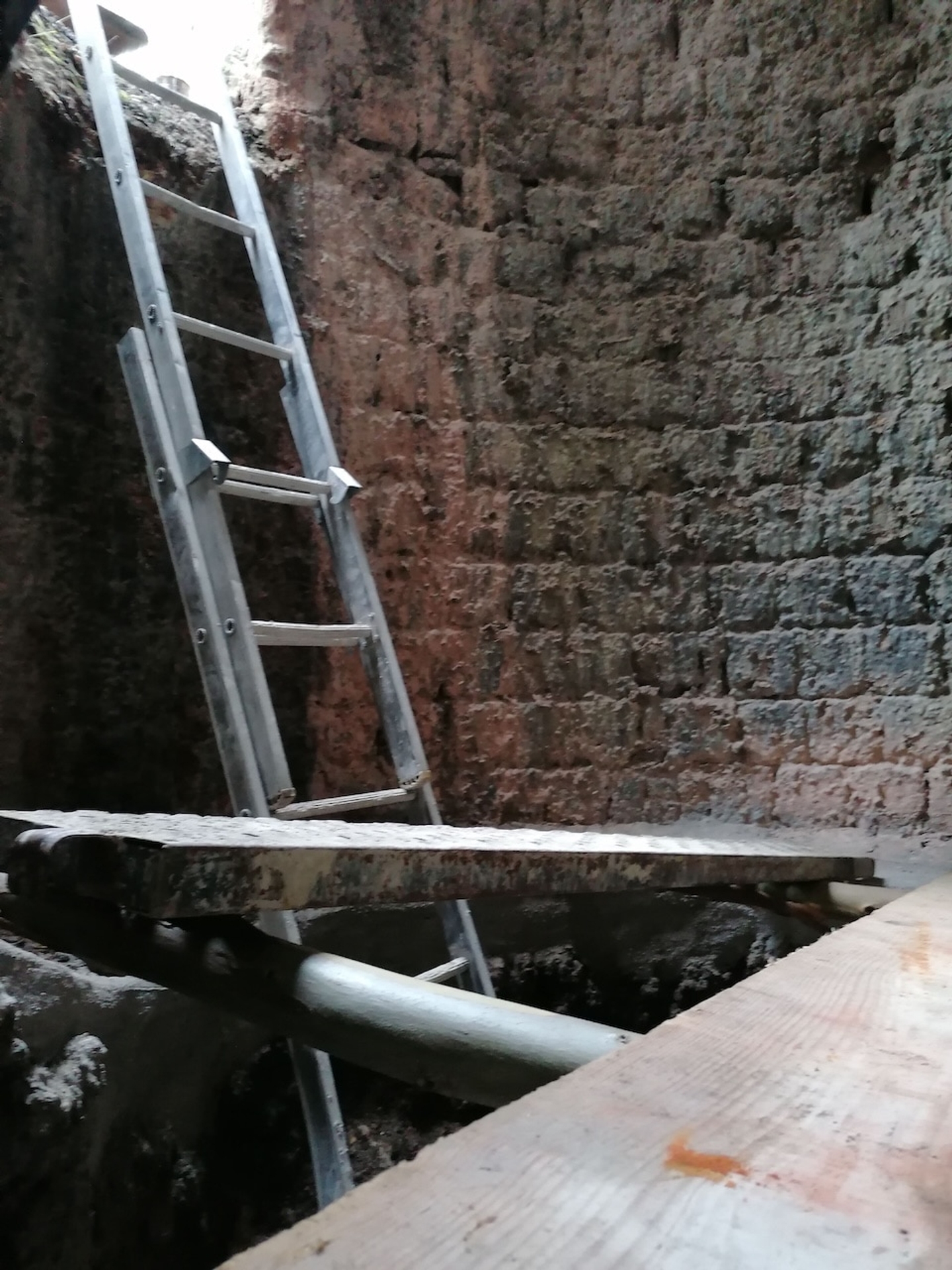
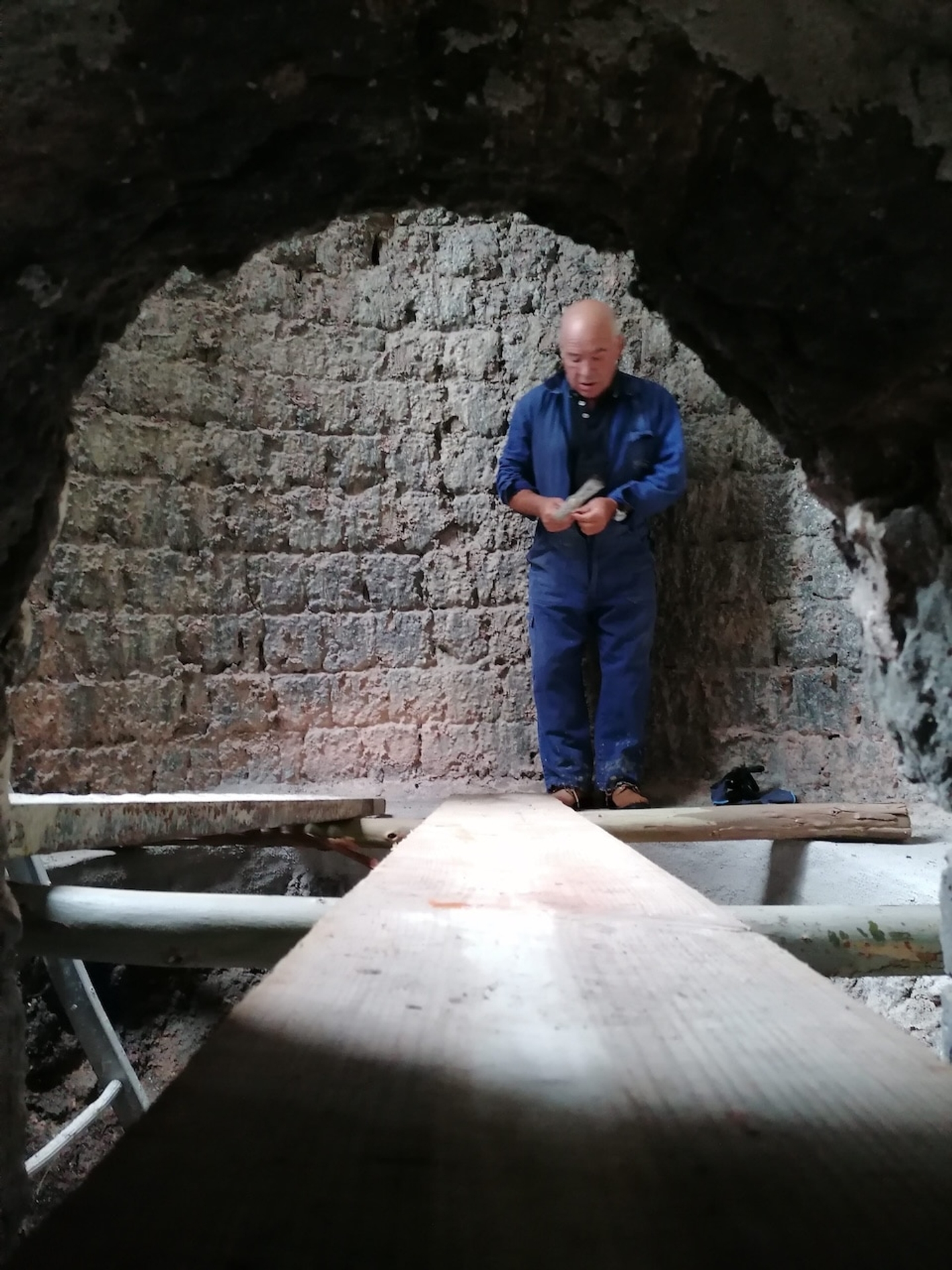
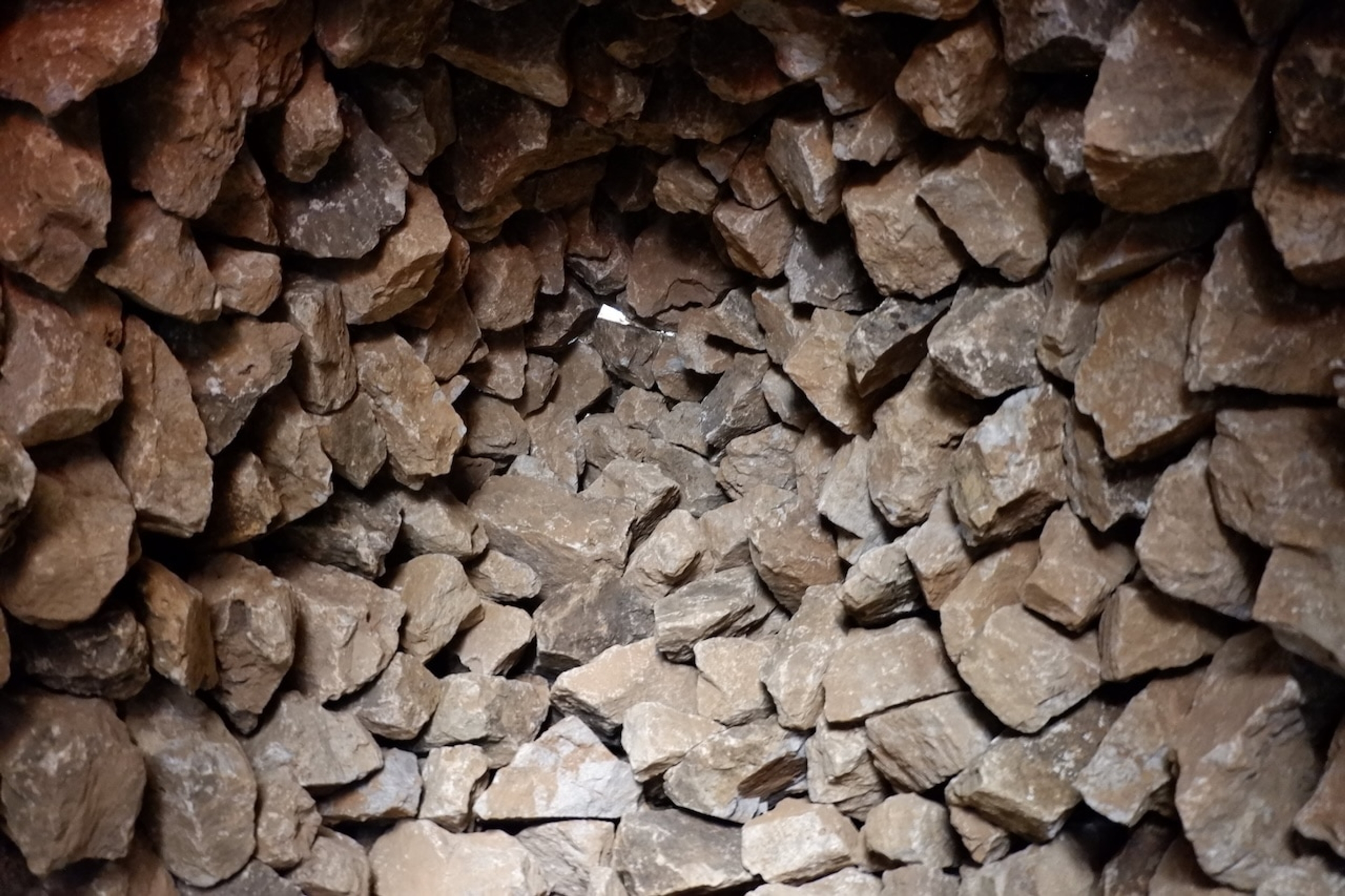
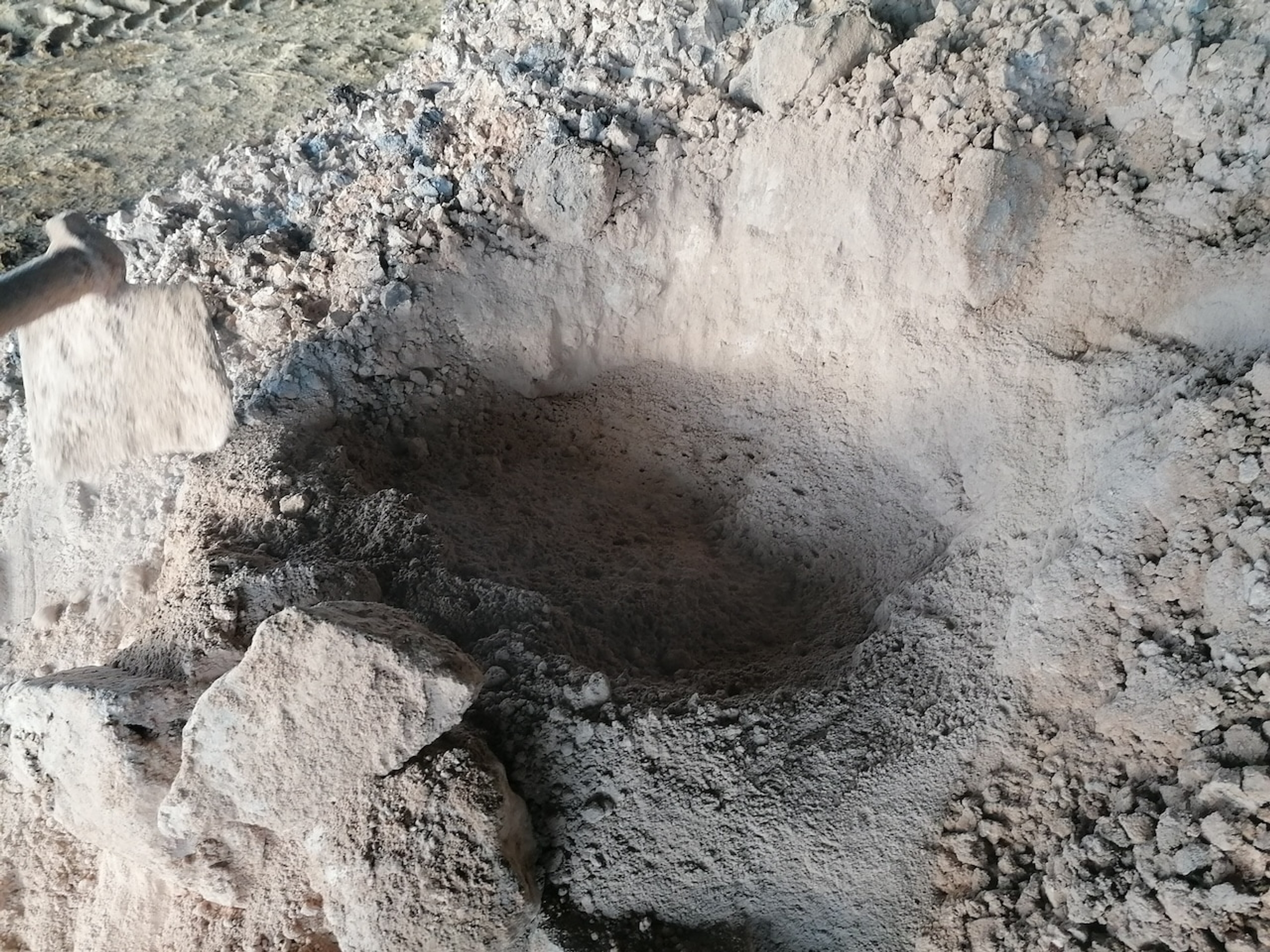
Near the Malhada waterline, Alveite water mine is the prime example of a type of manmade structure built throughout the mountain range to harness its rich water resources. In the form of an excavated gallery dug into the hillside, those who have ventured inside say it is nearly 100 metres long, narrowing as you move inwards.
The waters from this mine still supply the fountains built in the village in the 1960s.
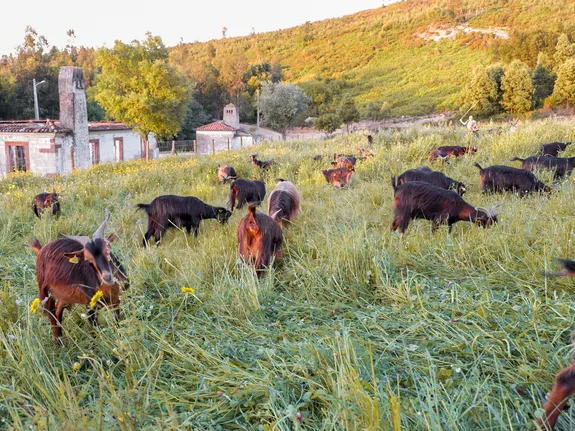
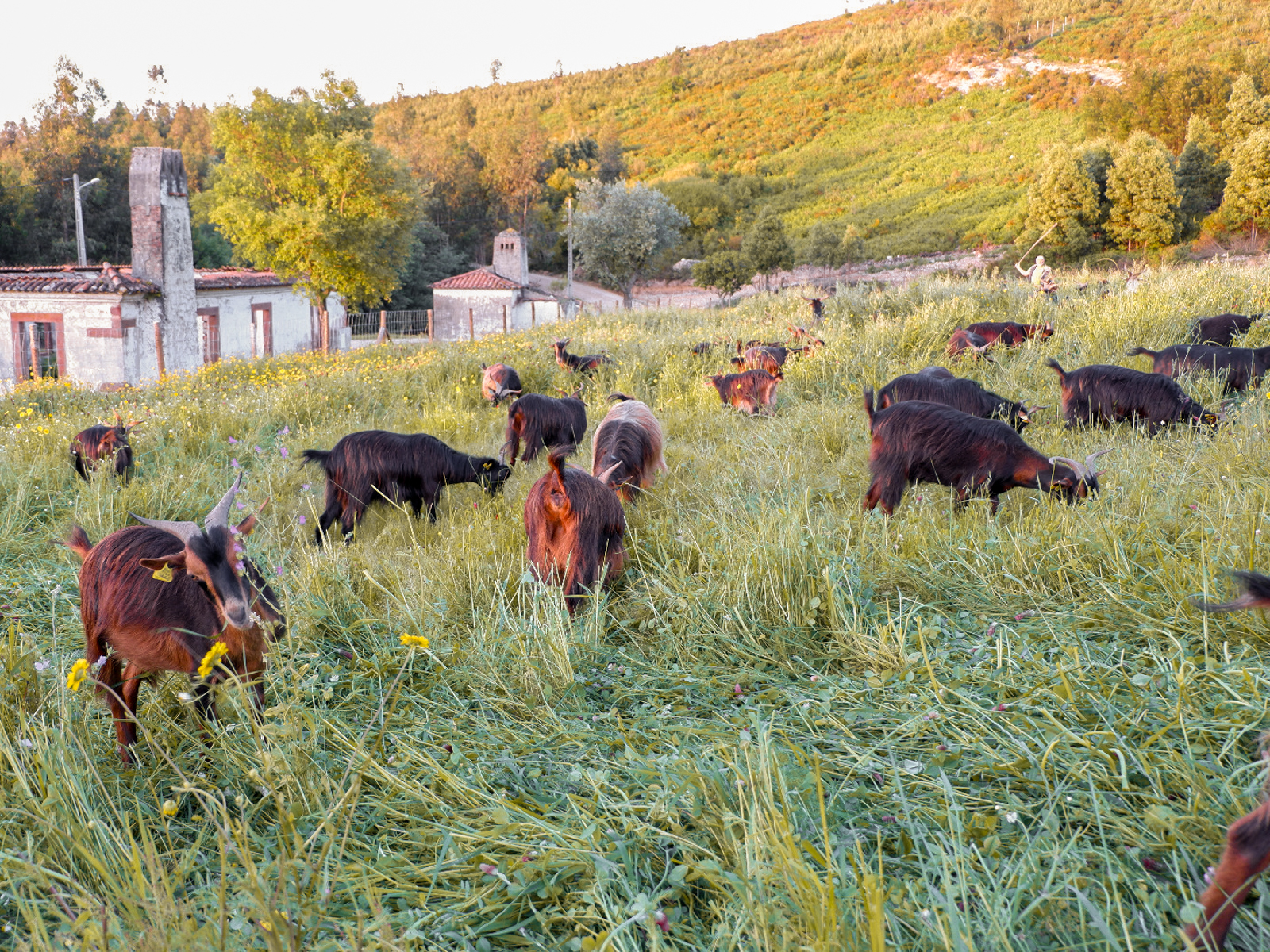
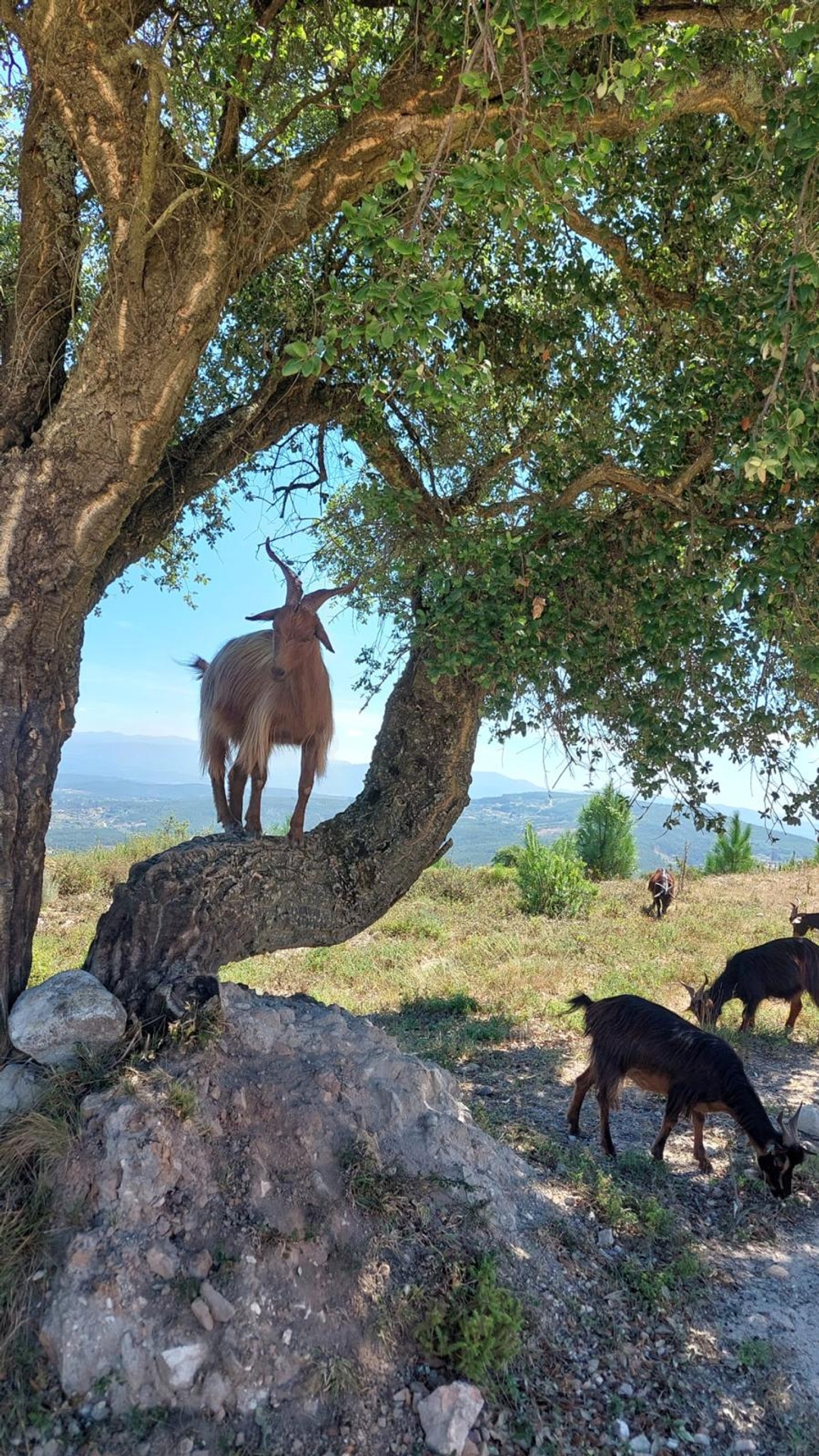
The Capril da Serra, promoted by the Parish Council of São Miguel de Poiares, aims to revive the memory and essence of the silvopastoral tradition of this region through a traditional activity. The herd plays a key role in managing fuel loads, controlling the spread of invasive species, and contributing to the transformation of the landscape into an area that is intended to be more resilient and biodiverse.
The project supports the preservation of the Serrana breed, a native Portuguese breed believed to originate from the Serra da Estrela and descended from the Capra pyrenaica, or Pyrenean ibex. Almost the entire herd represents the Ribatejano ecotype, one of the four in which the breed evolved, primarily known for its milk production.
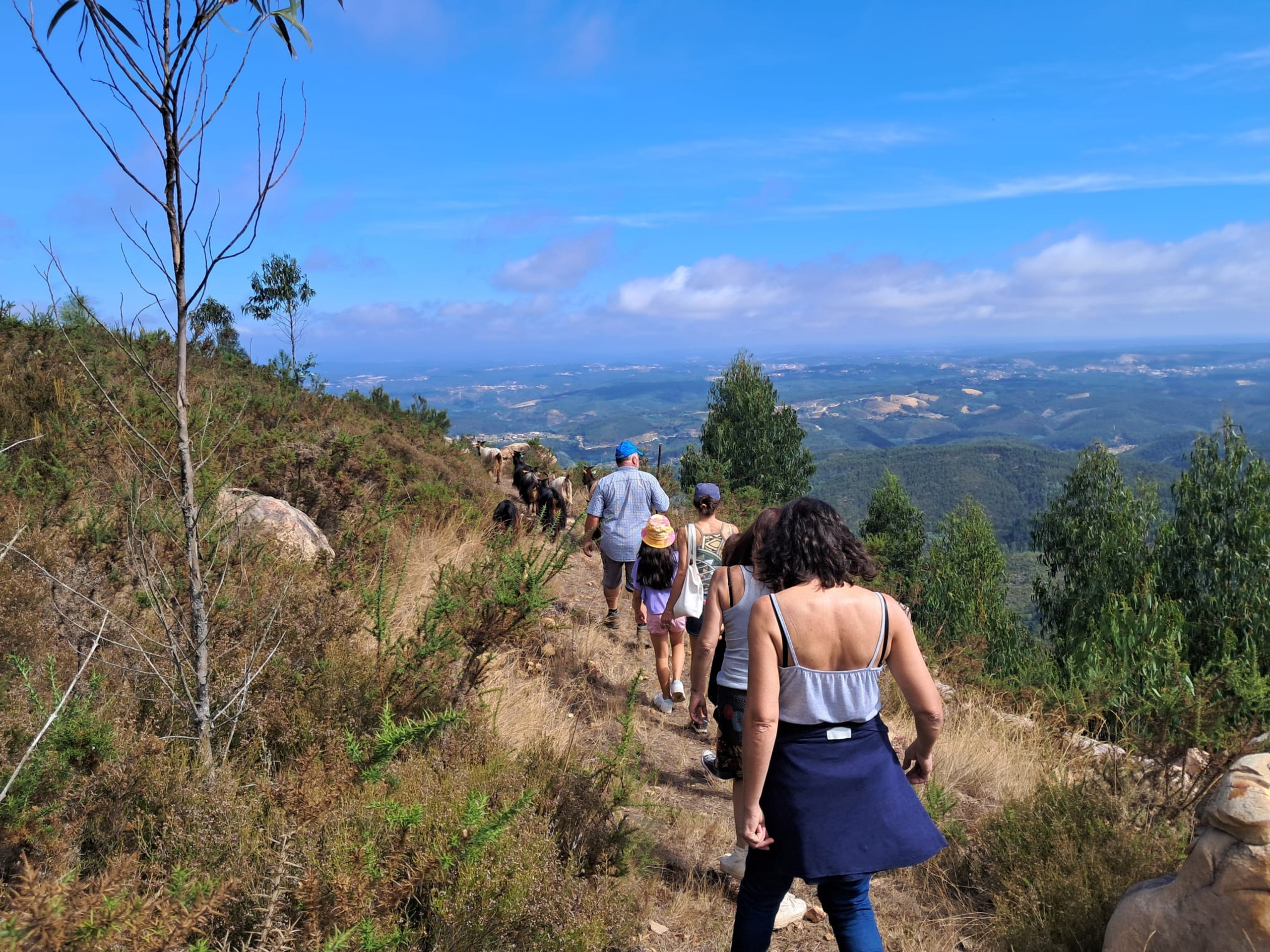
As an extensive farming operation, the herd sets out daily to roam the mountain paths, with the horizon stretching as far as the eye can see. Closely watched by the shepherd, the goats enjoy a varied diet, with heather, gorse, and broom being their preferred choices. The goats and the shepherd spend their days in the peace of nature, bringing life and soul to the mountains.
The Bidueiro mountains (or Alveite mountains) connects villages through their shared memories of the past. Until the last quarter of the 20th century, these mountainous territories were sustained by agriculture, livestock farming, and forestry. It is not surprising that the mountain had then a different landscape.
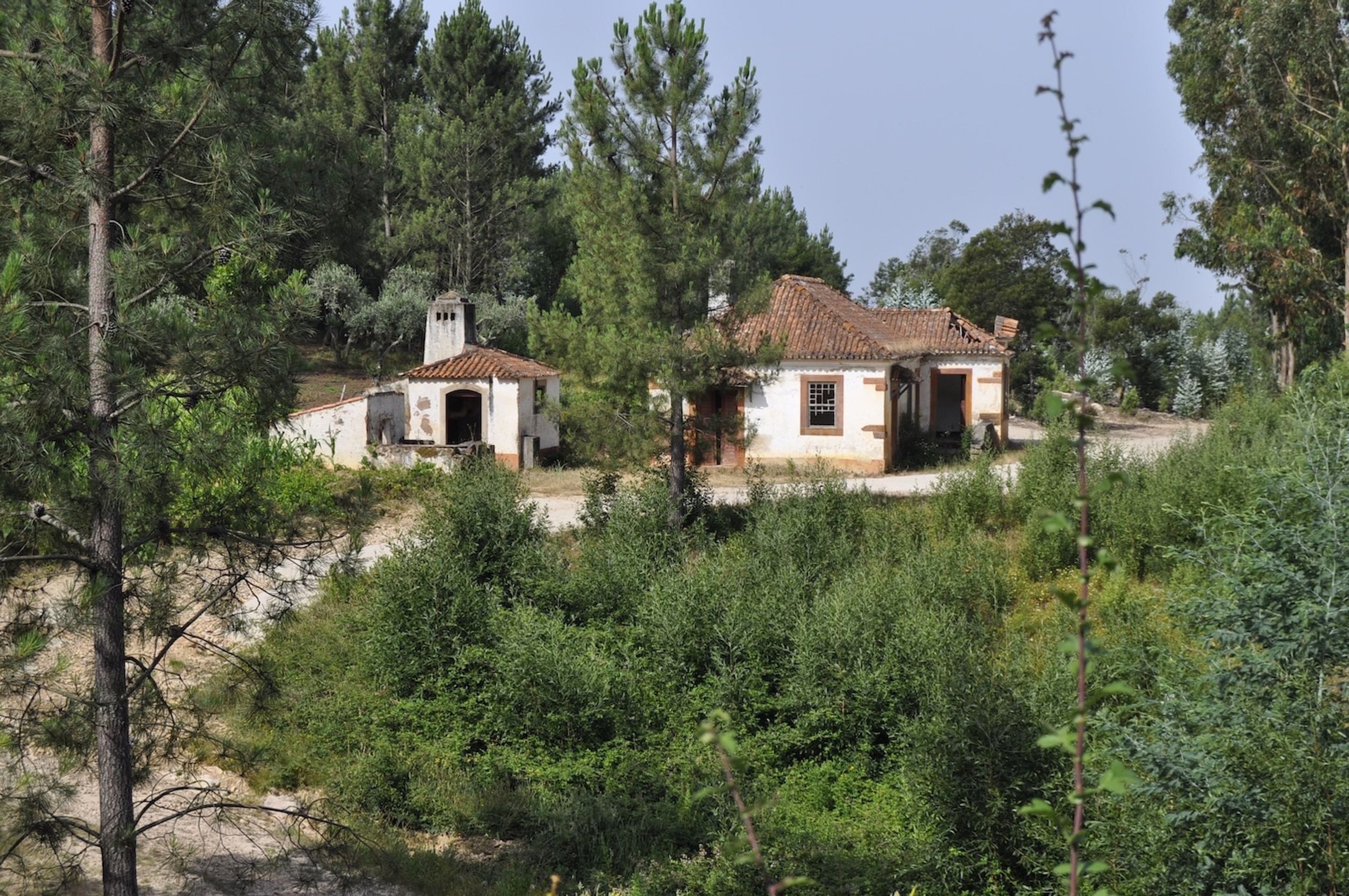
In the past, numerous herds roamed the hills and valleys, preventing vegetation from growing, but in the mid-20th century, a reforestation plan with maritime pine was implemented, with thinning operations supplying industrial kilns, bakeries, and sawmills. The old forester’s houses, one at each end of the mountain, connected by a telephone line, which was innovative at the time, are a testimony to this period.
After 1980, the gradual abandonment of pine exploitation and the increasing frequency of fires created ideal conditions for the expansion of eucalyptus, either planted or spontaneous, as well as the emergence of invasive species. Nevertheless, it is still common to find native species such as strawberry trees, common hawthorns, chestnuts, and oaks.
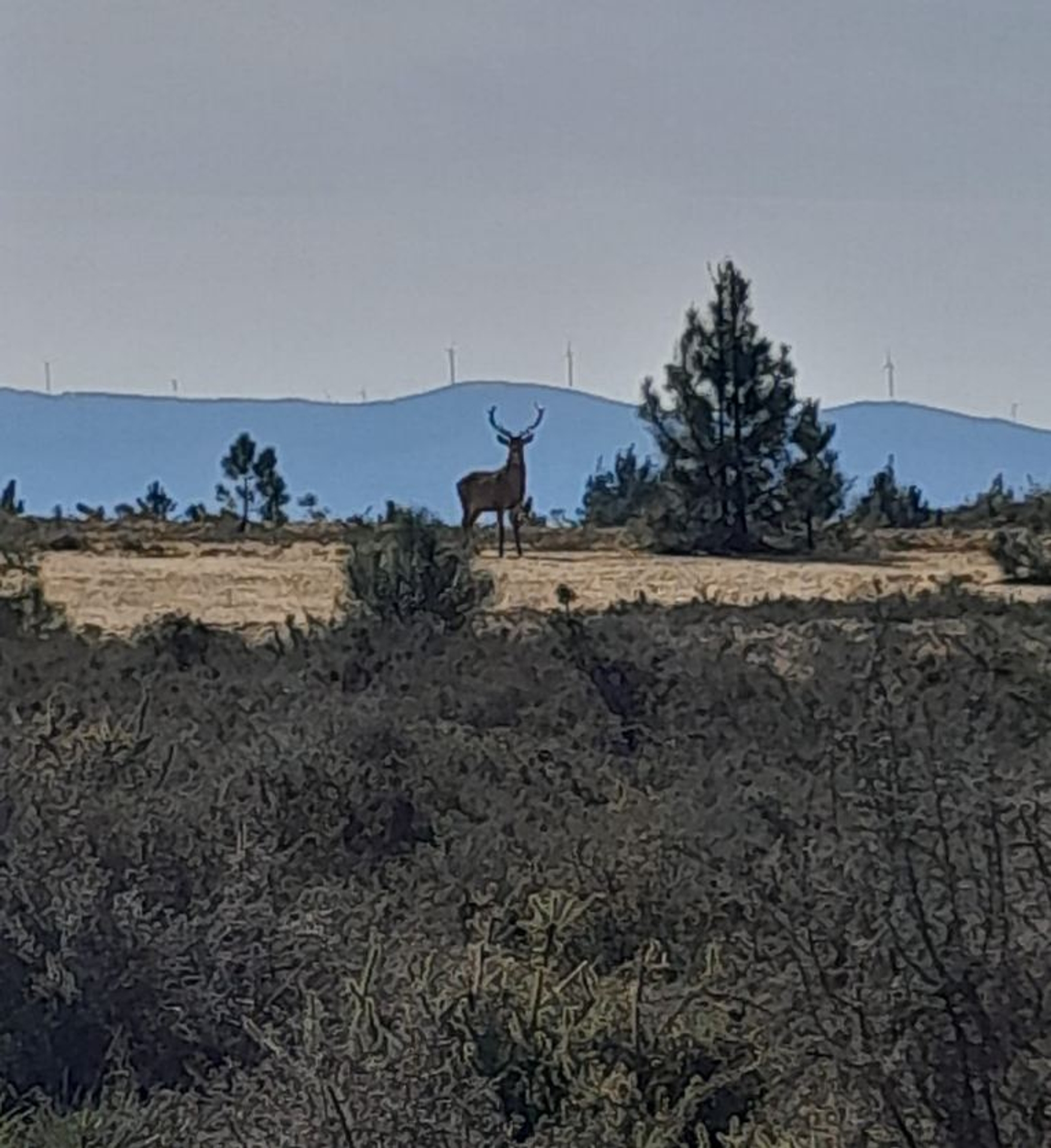
As a large herbivore, the red deer plays an important role in maintaining a dynamic and biodiverse landscape mosaic. It is easier to spot in the mountains during the autumn months, at dusk and dawn, when the rut occurs (roars emitted during the breeding season).
Invasive exotic plants are “non-native plants that cause negative environmental and economic impacts,” degrading habitats and preventing native species from establishing themselves. By grazing Australian blackwood (1), mimosa (2), and willow-leaved hakea (3), the goats help control invasive species in this area.
The spike-wattle acacia is being controlled by the agent Trichilogaster acaciaelongifoliae (4), a small wasp that creates galls where flowers (and later seeds) would normally form, preventing the species from spreading. More difficult is dealing with the bushy needlewood (5).
Please, help control invasive species by learning to identify them and participating in control efforts!
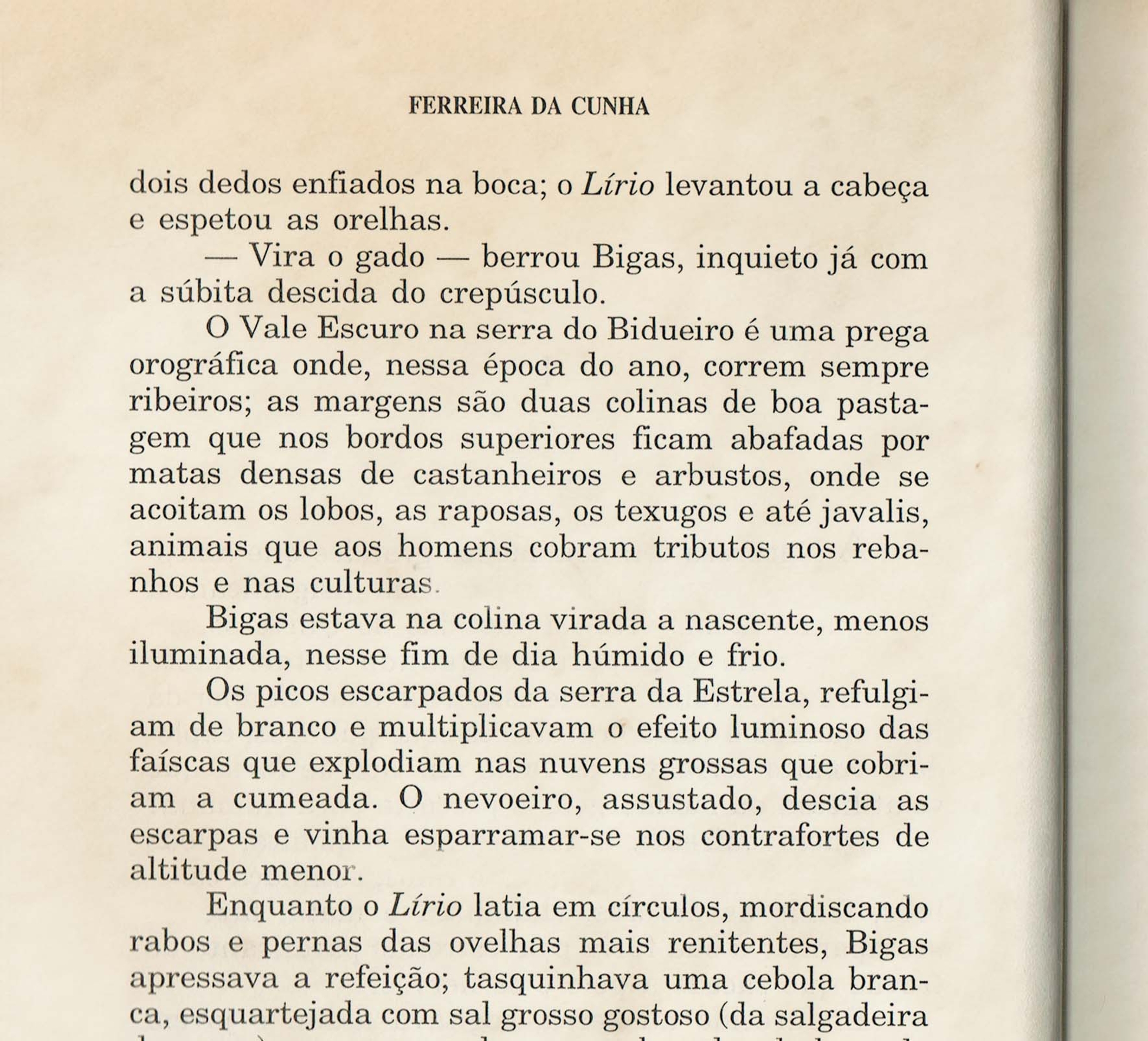
… the Bidueiro mountains were once the setting of a book! The novel “O Fundador de Jutiuca” describes the harshness of life here at the beginning of the 20th century, when flocks of sheep were often herded up the mountains by children. The book also depicts the waves of emigration to Brazil, which led to a decrease in populations and in the number of flocks with consequences to the landscape of the mountains.
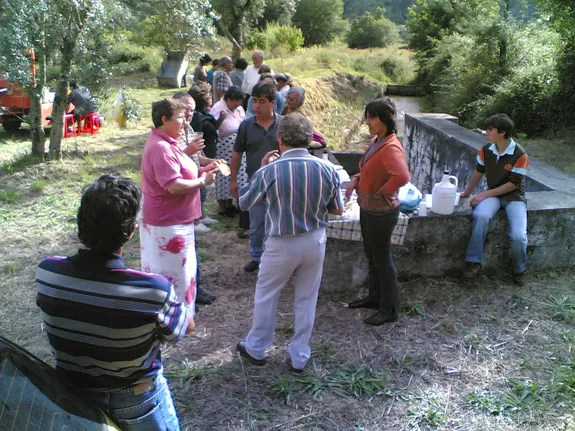
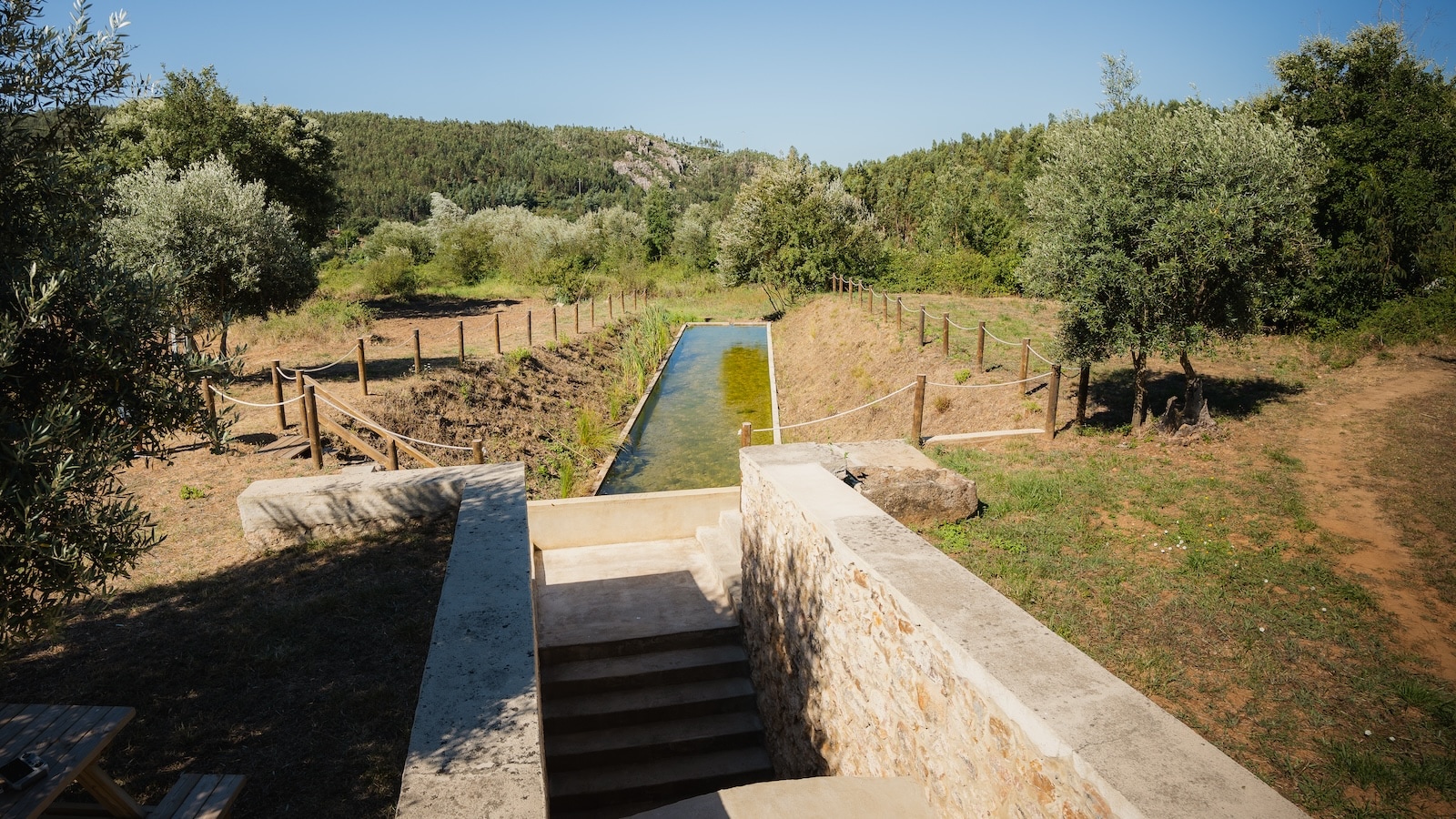
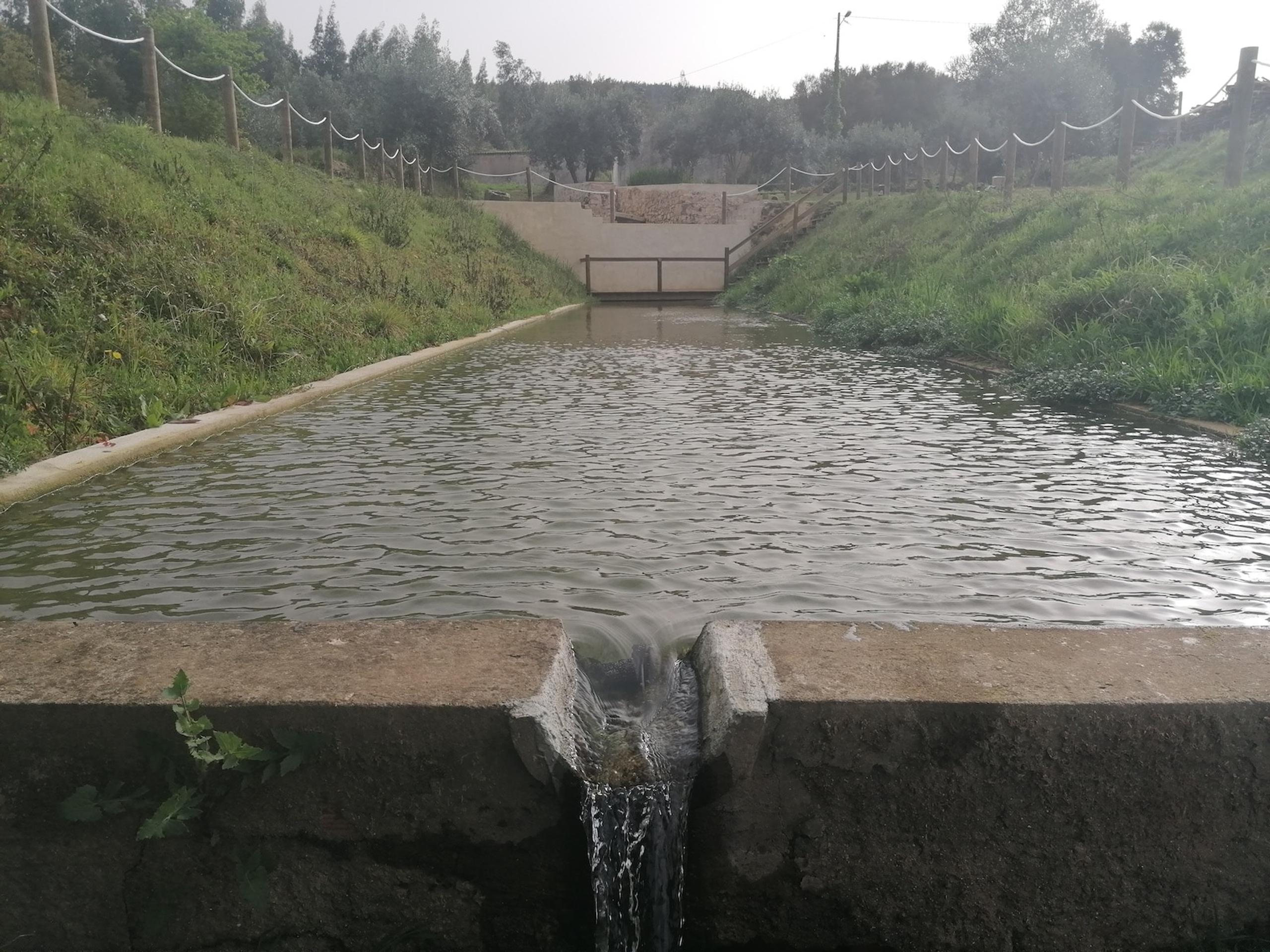
Built over a deep well that draws from the underground stream of Luso, this was the water source that much of Alveite Grande’s population relied on before the construction of fountains and public water supply to homes. An emblematic and beloved space, it holds many stories within, including that of its own evolution.
Already mentioned in the University of Coimbra’s Registry of 1589, the fountain didn’t always have this form, as it used to be at ground level. However, older people say that during the very dry summer of 1947 and with residents deepening their wells, water stopped flowing from the spout and work was needed to rebuild the spring. With stone and lime, the village inhabitants worked hard, resulting in this configuration with wall and stairs.
Until the 1980s, a simple depression dug in the earth collected water from the spout to serve the surrounding agricultural lands, but residents tell that losses through infiltration and the tireless work of moles would decrease the reserve and flow of current reaching their lands. The construction of the tank (1988) and the piping of the irrigation system allowed for greater efficiency in water storage and use, resulting in the network of channels still visible today.
The fountain space early on assumed a unifying function in the village. People would meet here while fetching water or bringing their oxen to drink from the stone trough - they would talk and socialize. In the spout’s current they would leave lupins, in the tank they would gather watercress, and for St. John’s Day it was tradition to decorate the fountain with arches of vegetation, green canes, flowers and myrtle.
The surrounding lands were tilled, thus taking on different hues. Irrigation was done according to “water hours” or “hours of water”: each property had its hours and one had to go “cut the water” to exercise this right, be it day or night.
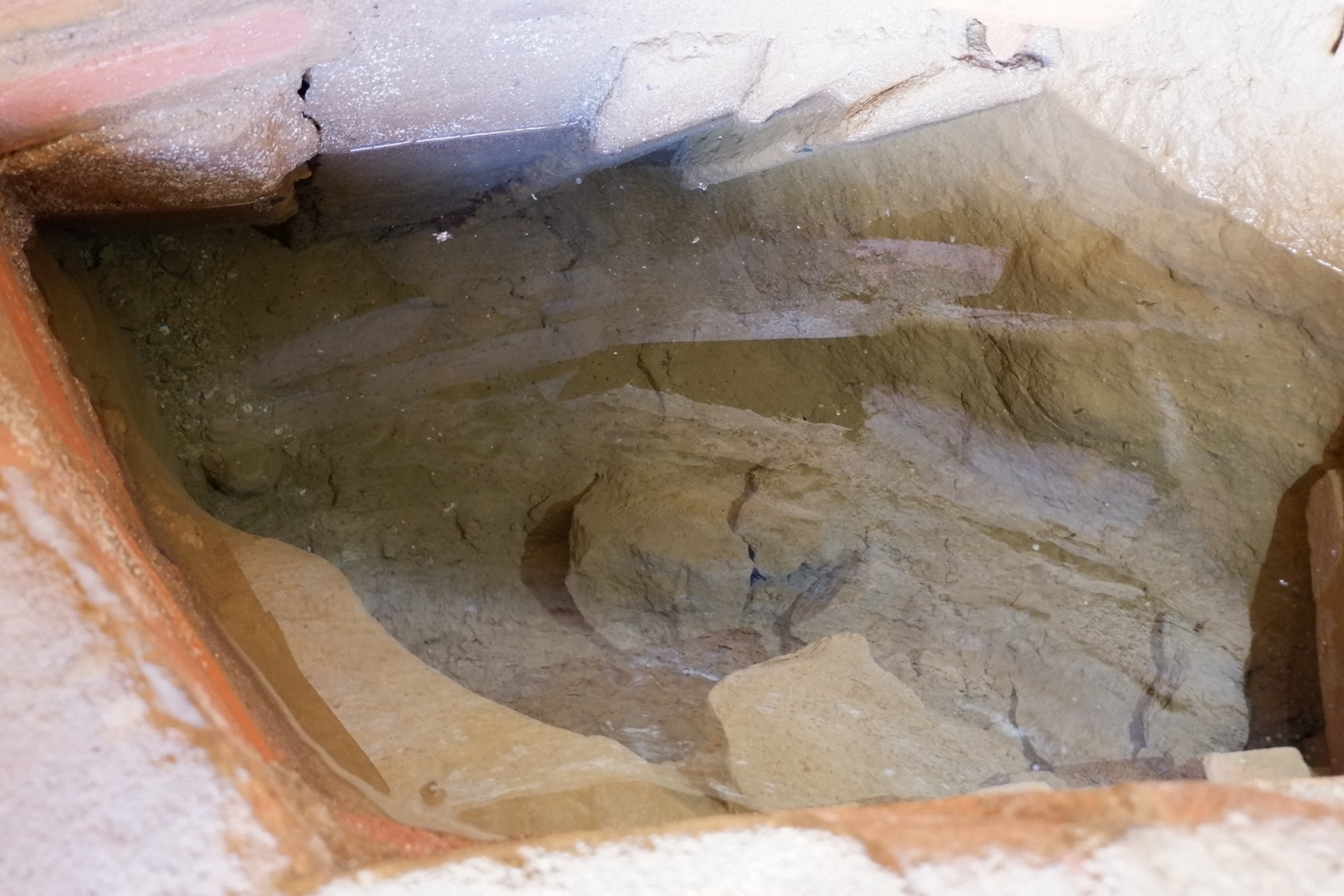
The fountain’s tank, as a body of still or slow-moving water, represents an area of high importance for both Humans and Nature. Beyond its landscape and contemplative value, its contribution to fighting fires and minimizing drought effects, the relevance of this water reserve also translates into ecological and environmental terms.
For all its functions, these types of structures are fundamental in preserving biodiversity - flora and fauna. They are not mere water reserves, they are sources of life!
The Green Frog, Marbled Newt, and Fire Salamander are frequent amphibians here, joined by the Viperine Water Snake, seen slithering through the waters. On summer nights, fireflies can be seen wandering…
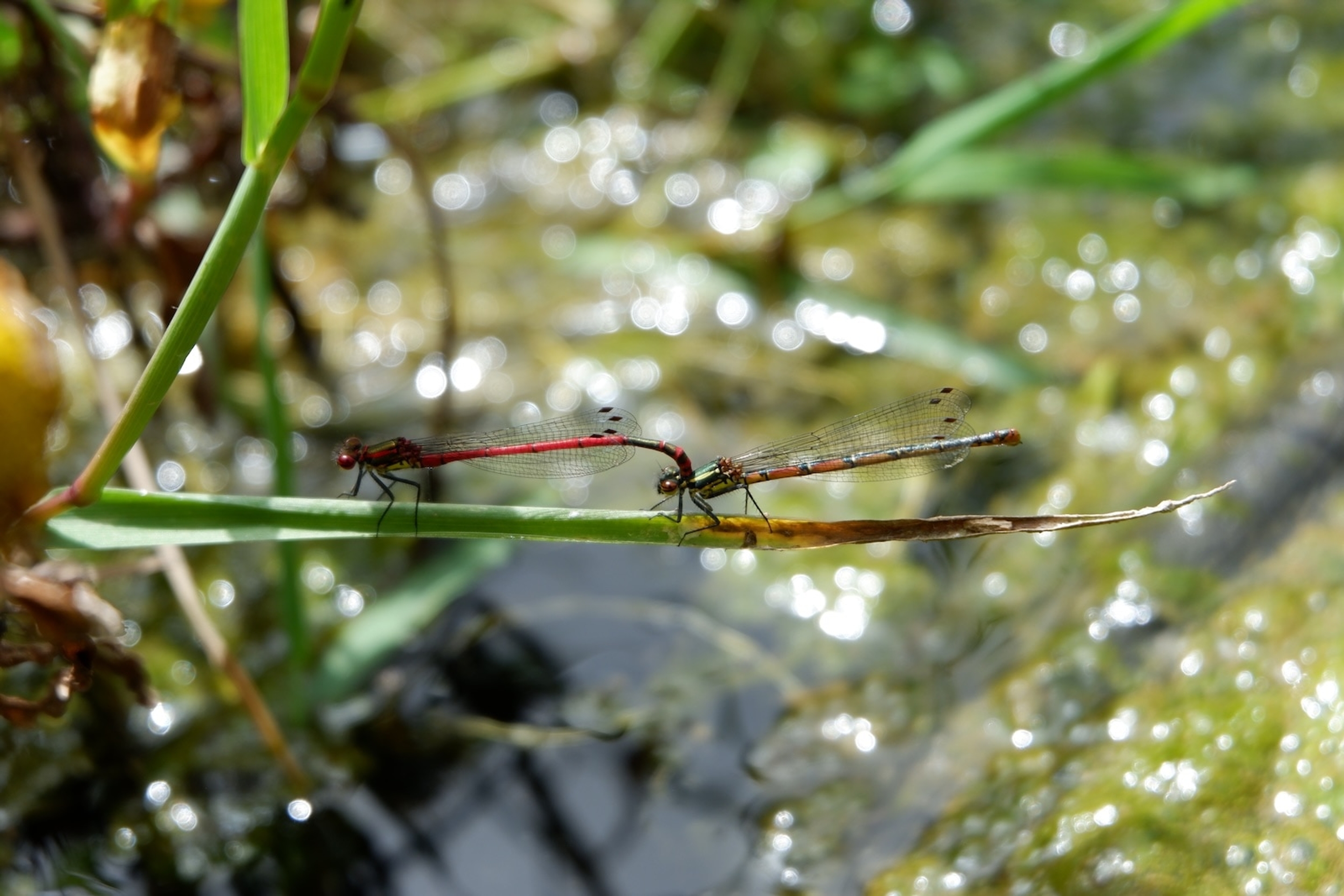
Between May and the end of summer, dragonflies and damselflies are regular inhabitants of the fountain. These insects play an important role in controlling food chains and managing ecosystems, helping to control agricultural pests and disease-vector insects.
Almost 1 m tall, it is the largest of the herons occurring in Portugal and has been spotted several times at the Alveite fountain tank. Usually solitary and very elusive, it flies away when it senses people’s presence.
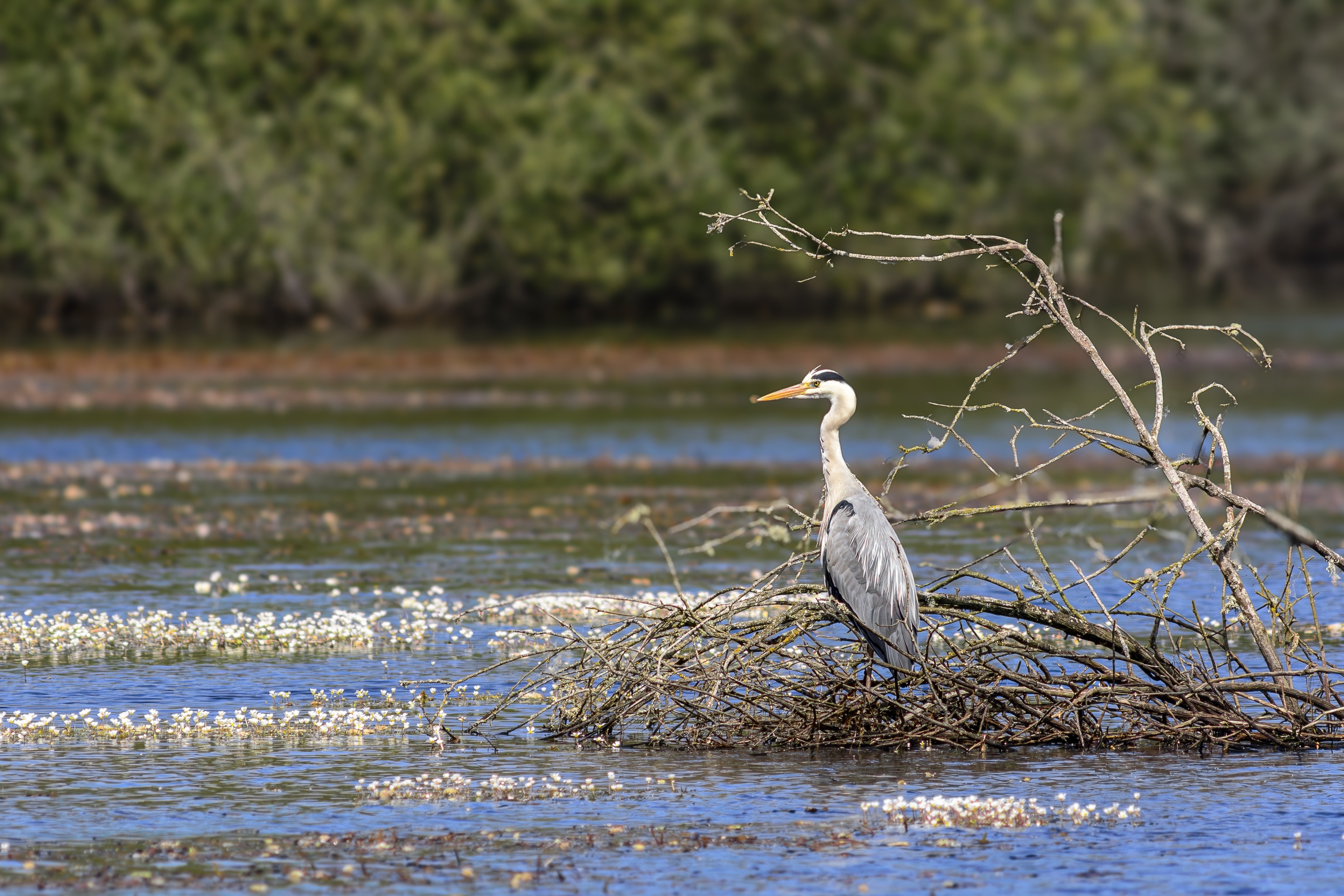 Photograph by Fernando Romão
 …these were once University of Coimbra lands? Among the paths, near the fountain, there is an ancient marker with the inscription “DEV” carved in stone. These initials are an abbreviation of “VniversidaDE”, owner of this territory in bygone times. The same marker served to delimit the parishes of São Miguel and Santo André de Poiares until Decree Law 38,886 of August 29, 1952.
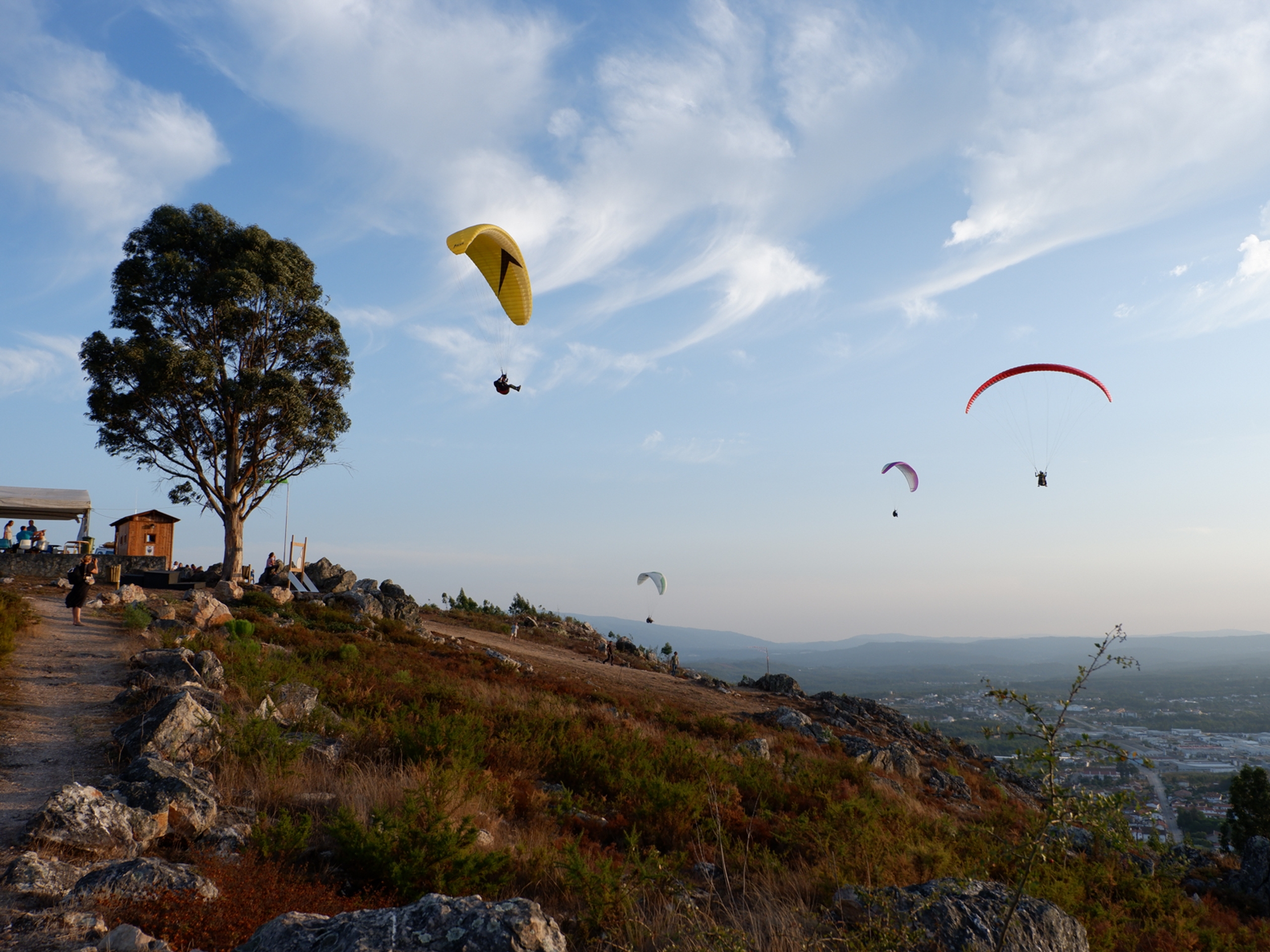
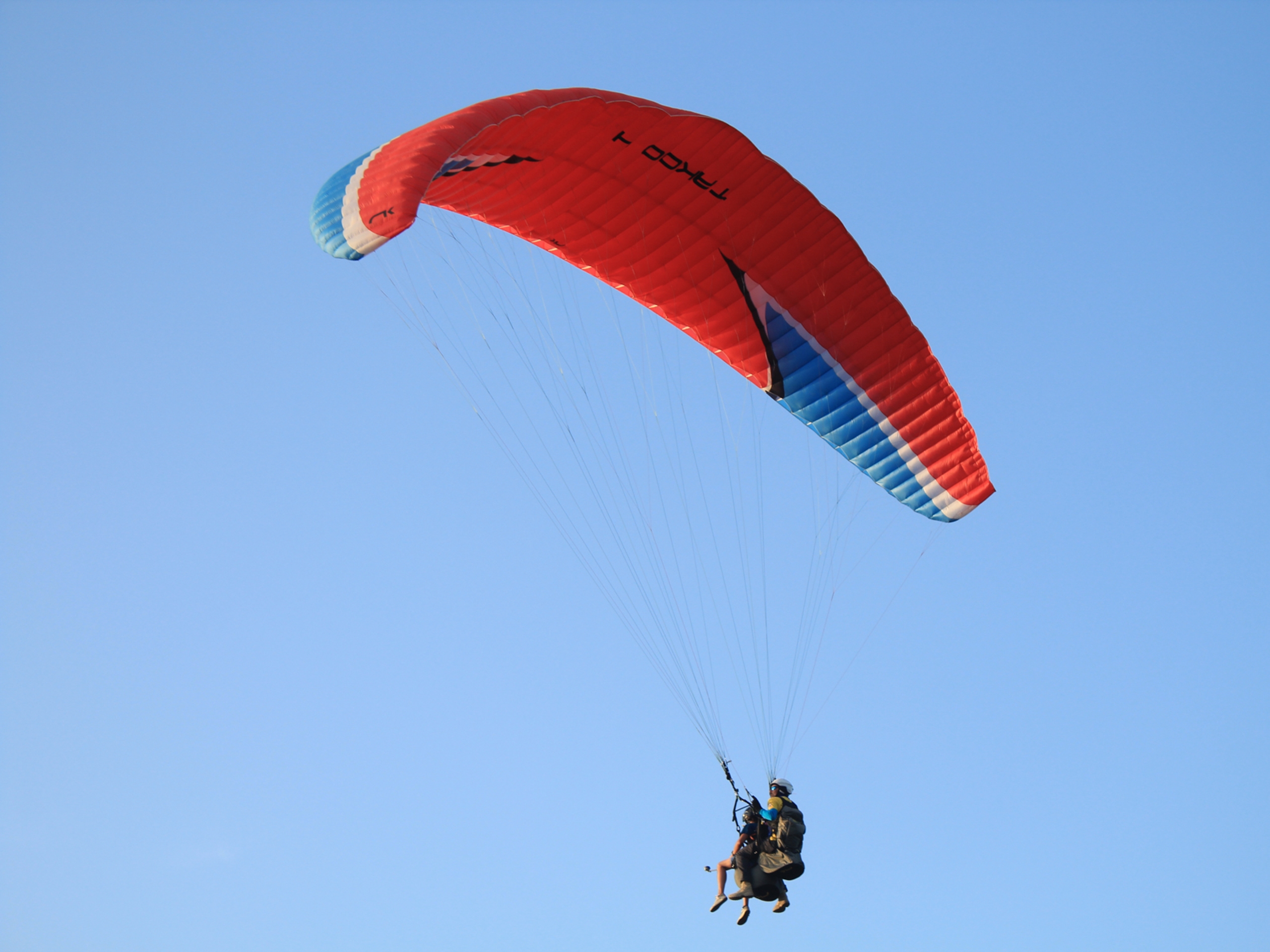
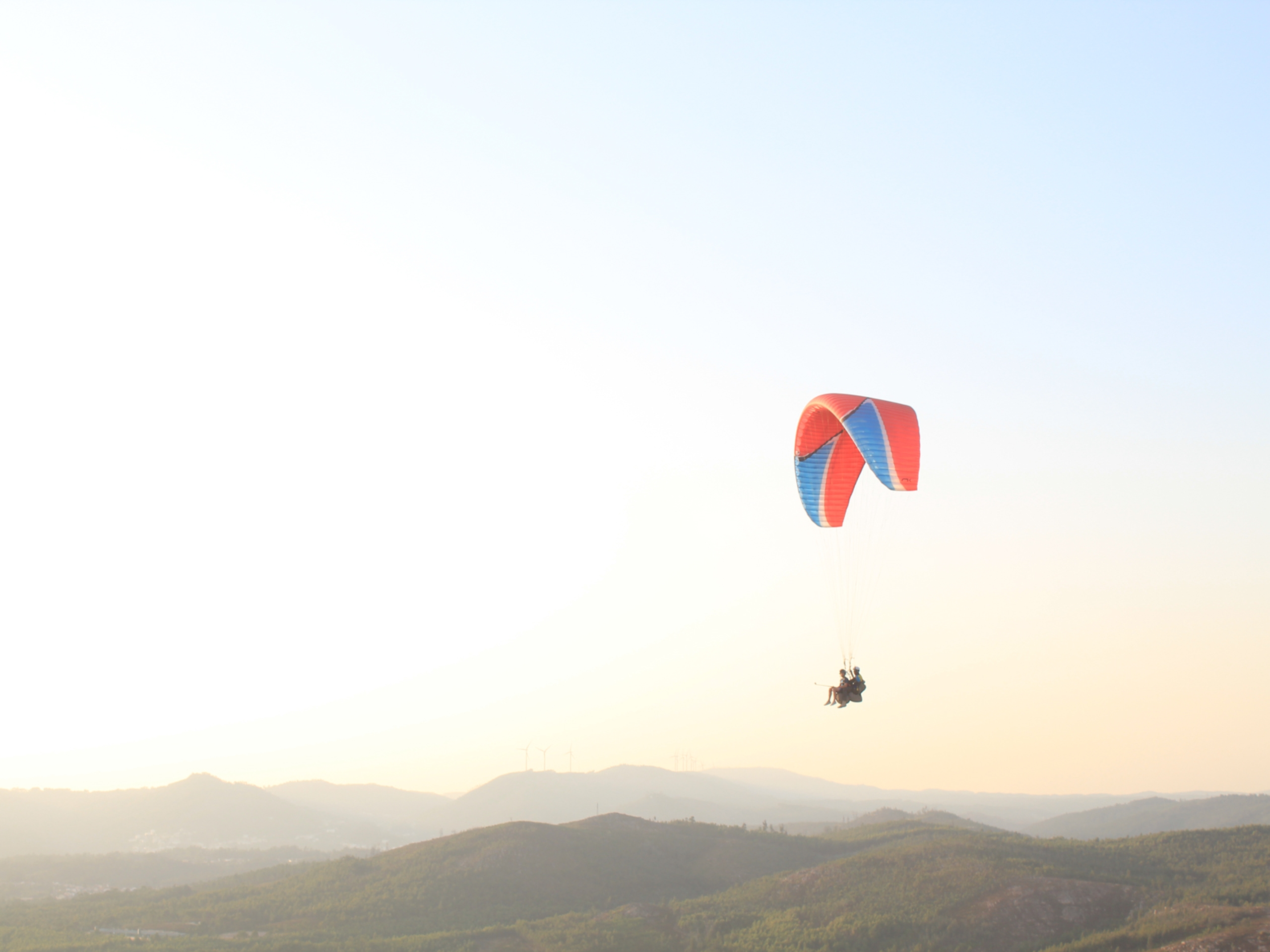
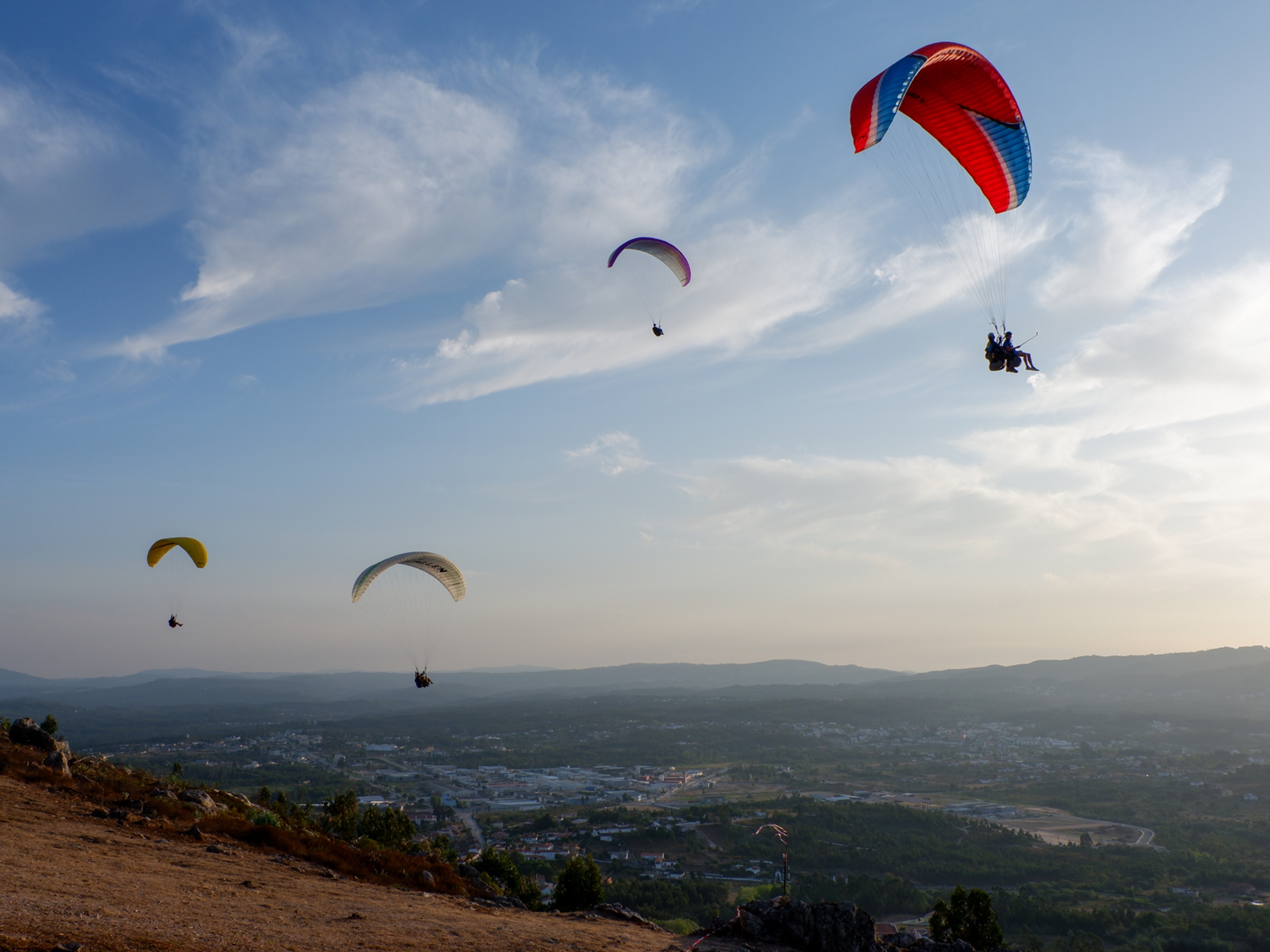 Paragliding event
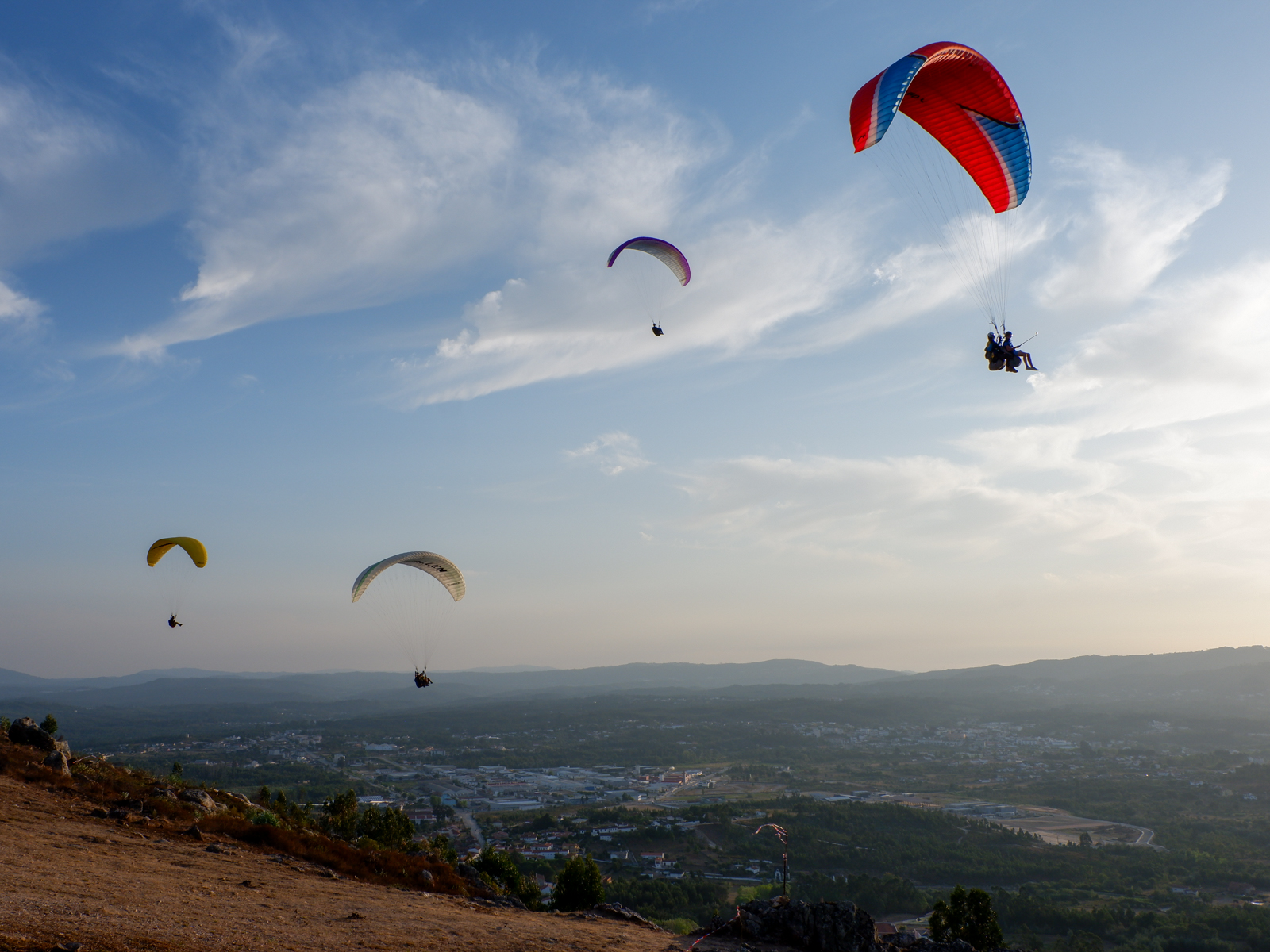
 Chã da Cabeça, Calhau da Velha, Cabeço da Velha, Seixomil, Descolagem da Fraga… many are the names used by people, military maps, or activities to identify this place, which has always been important to the community. While colourful paragliding wings take off from here nowadays, there are still those who remember traces of a windmill that once stood here, providing flour in exchange for a portion of the grain.
Being a common land, this area was also where potters often came to collect “leivas” to maintain the heat and smother the fire in the traditional firing of black clay in neighbouring villages. In the second half of the 20th century, the maritime pine descending the slope fed the sawmills and kept the craft of resin collectors alive, with its memory preserved in the trail connecting the foot of the mountain to the higher elevations.
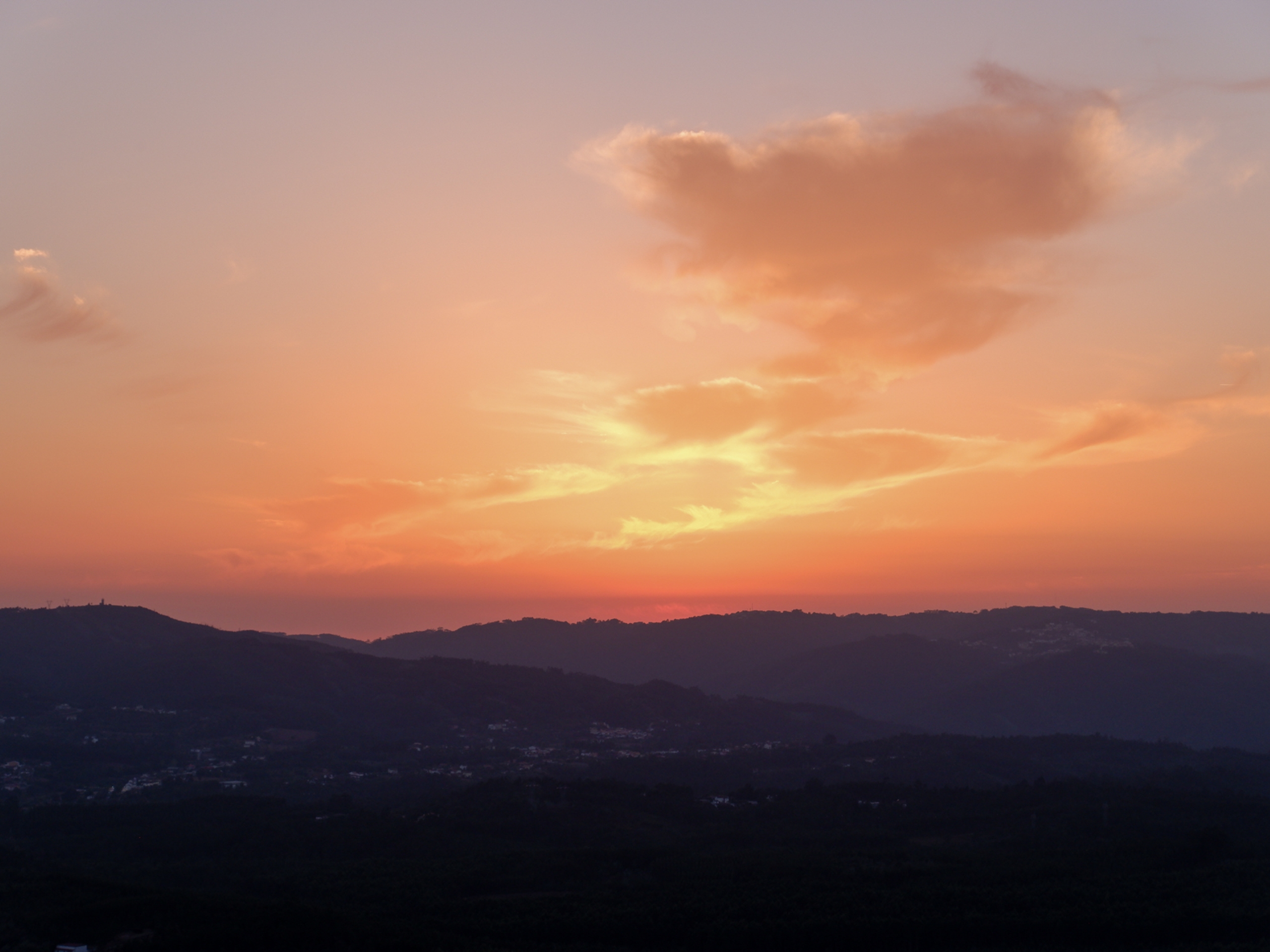
However, this space was not only about work. According to the inhabitants of Alveite Grande, on Ascension Thursday, one of the holiest days of the year marked by the gathering of wheat, the village families would come here and have a picnic, even holding the “Criquelhas” festival once. The fascination with the wide landscape and the best sunset in the area stems from those days, confirming this as a beloved space for contemplation and leisure. Whether with your feet on the ground or flying in the air.
A suggestion? Come at sunset: you’ll love it!
 Chã da Cabeça
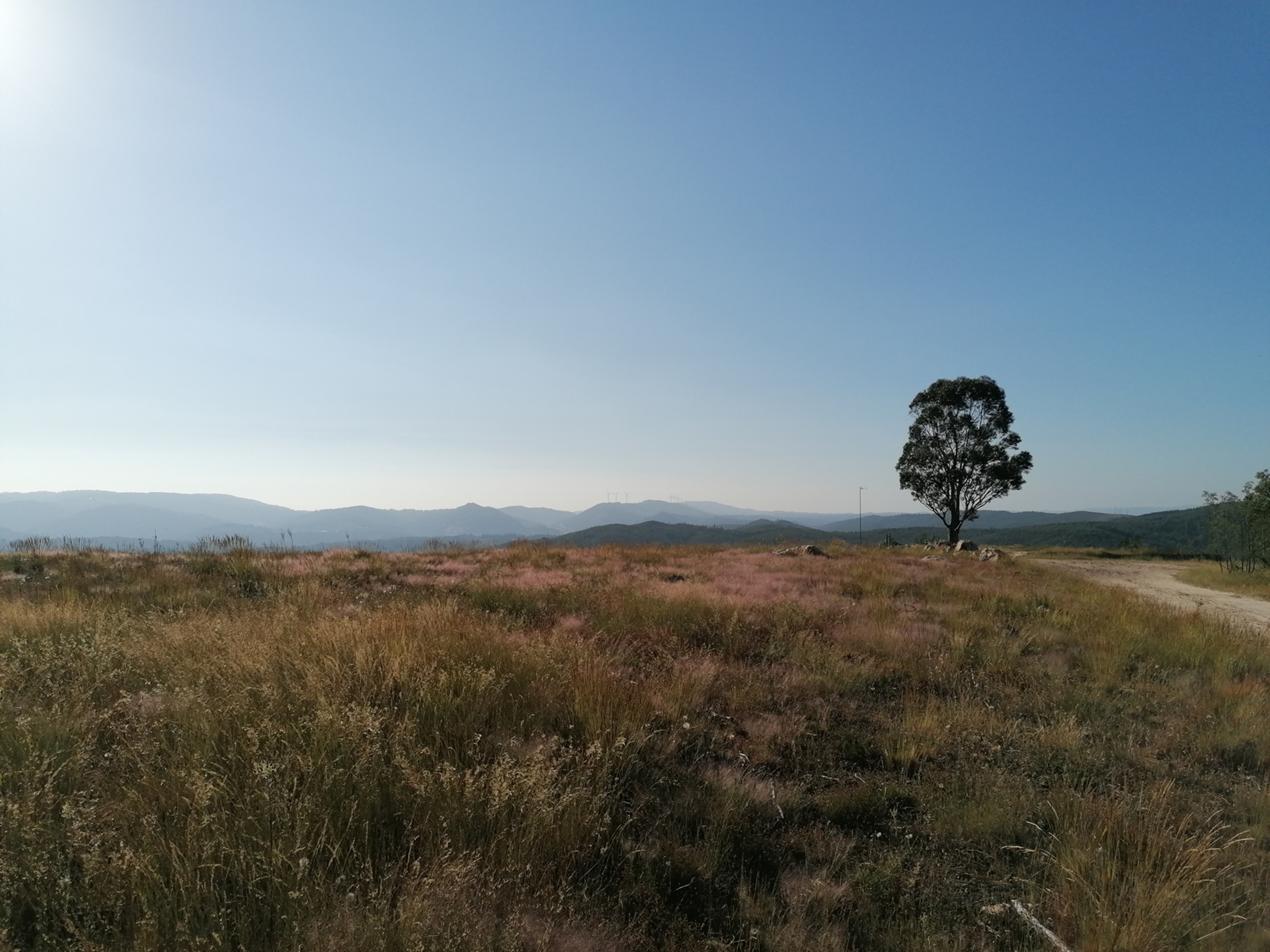
 Heather and broom are the predominant shrubs, observed among native species such as lavender, gorse, narrow-leaved mock privet, hawthorn, and wild pear. From the rocks, the pink hues of wild carnations (Dianthus lusitanus), also called “cravetas” by the locals, bloom in the spring.
Among the tree species, the monumental eucalyptus stands out, having survived the devastating fire of October 2017. Visible from many kilometres away, it helps identifying the mountain and it’s a landmark in the landscape.
 Chã da Cabeça
 On the paragliding track, flowers such as purple toadflax, St. John’s wort, and viper’s bugloss bloom, attracting various species of butterflies in the spring.
The phenomenon of Hill-topping occurs here, where the males of various butterfly species go to the top of the hill and remain there, disputing the territory and awaiting the arrival of females in search of a mate. The concentration of butterflies that occurs makes this an area of special significance in terms of conservation.
One of the smallest butterflies, it mainly flies among the heather and broom shrubs and enchants with its uncommon blue colour in the mountains.
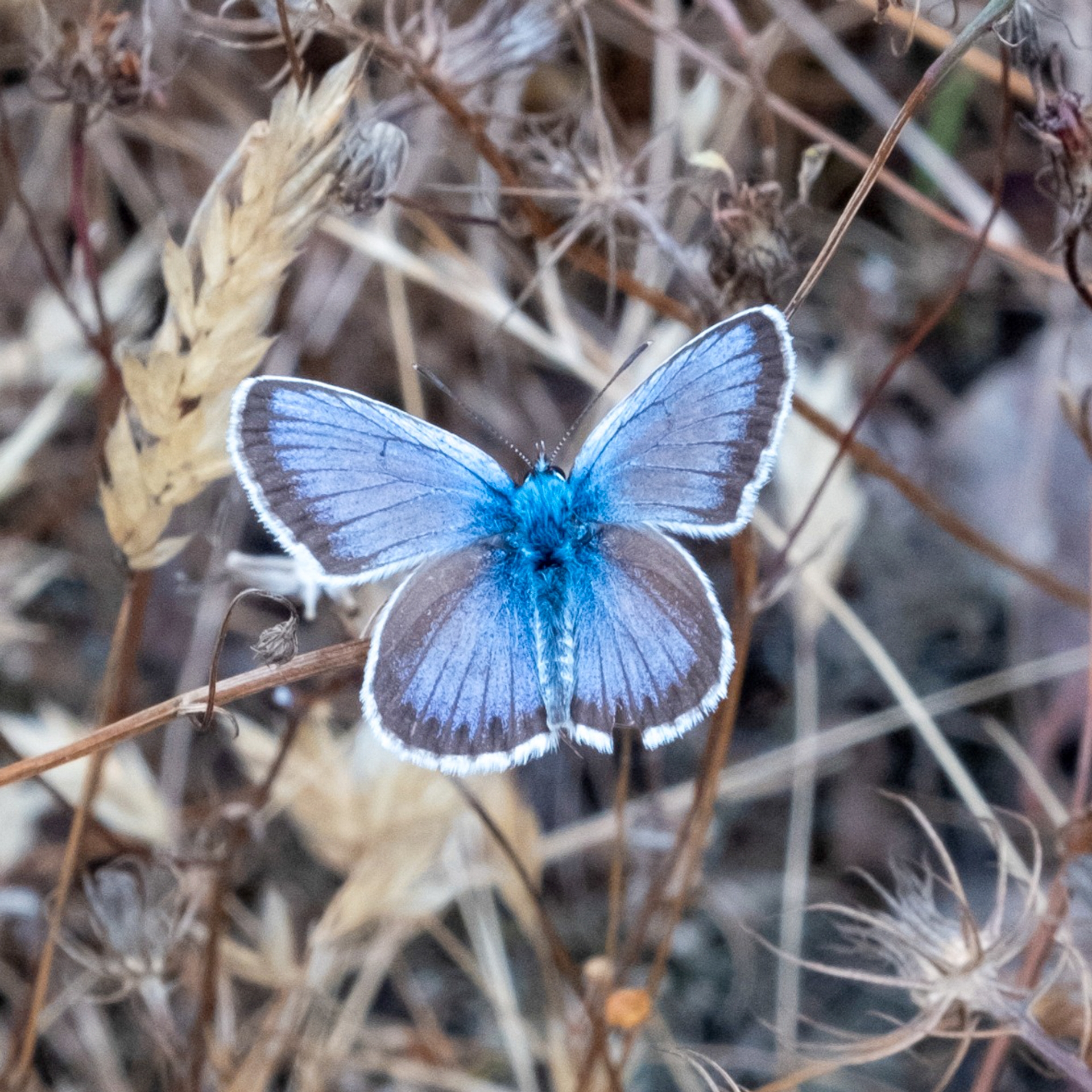 Butterfly Silver-studded Blue
 Install the iNaturalist App and upload your photos of plants and animals from this location to help map the flora and fauna of the mountains!
Flying paragliders without a pilot’s licence and/or valid insurance constitutes a very serious civil aviation offence, punishable by law (Article 46, Nr. 1 of DL 283/2007) and by the regulations of the Portuguese Free Flight Federation.
These lands, which were once cultivated, are undergoing a natural process of landscape regeneration. Over time, inactive or fire-disturbed areas have given way to ecological succession.
Thus, areas have developed with various indigenous species, which, in contrast to the monoculture of eucalyptus, are rare and special.
Portuguese oak, Common oak, Cork oak, Gall oak, Strawberry tree, Butcher’s-broom, Black bryony, Common hawthorn, Sarsaparilla